FCC Waiver: Intel Gains One-Year Grace Period for Factory Robots
The chipmaker secured an exemption to continue using Japanese-made automated guided vehicles in its US plants amid regulatory uncertainty.
By Kenji Hassan ·
The Federal Communications Commission issued a waiver on October 22 that allows Intel to operate specific foreign-made robotic vehicles in its US semiconductor facilities for the next 12 months. The decision resolves a period of uncertainty for the chipmaker, which had requested the exemption to ensure its manufacturing operations would not face disruptions under the agency's new rules regarding imported mobile robots.
Intel applied for the relief out of an abundance of caution. The company stated that it was unclear whether its equipment fell under the definition of robots targeted by the ban. By seeking the waiver, Intel aimed to protect its production lines from potential regulatory conflicts while the classification of its industrial machinery remained ambiguous.
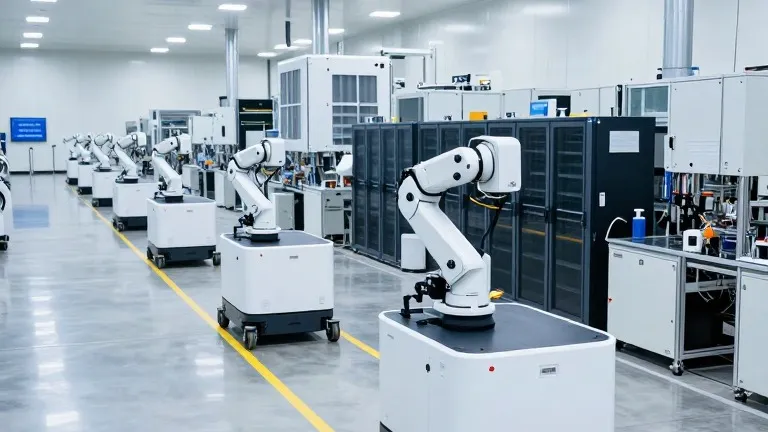
The equipment involved consists of automated guided vehicles. These machines travel on tracks or predefined paths and generally require operator oversight to move materials across factory floors. While the public record does not specify the exact models in use, they are detailed in a confidential appendix of the waiver request. Industry reports indicate that such vehicles are typically manufactured by Japanese firms including Murata Machinery and Daifuku Co.
The FCC's regulations primarily target new models of mobile robots, a category that includes humanoid robots and consumer devices like robot vacuums. The rules permit the continued import of robots previously approved for sale in the United States. However, the agency's guidelines restrict major modifications to these previously authorized devices, creating a complex environment for companies relying on existing industrial equipment.
The waiver extends beyond simple operation. Intel received approval to make specific hardware, software, and firmware changes to the vehicles. These modifications are necessary to maintain functionality and ensure the machines can continue running throughout the one-year waiver period.
The agency's order clarifies that Intel may keep these units running without immediate concern over the ban. This temporary status quo allows the company to maintain its chip manufacturing capabilities while the broader implications of the robot regulations are applied to other industrial users.
Source: Ars Technica