Retired General: U.S. May Run Out of Missile Interceptors Before Ending Iran War
Gen. Joseph Votel argues that strikes alone will not end the conflict and warns that defensive stocks could be depleted before Tehran surrenders.
By Priya Singh ·
U.S. families may face continued volatility in gas and diesel prices if the current war with Iran persists, according to retired Army Gen. Joseph Votel. Votel stated that reopening the Strait of Hormuz is a primary objective for Washington because it directly impacts domestic fuel costs. He noted that while military strikes can degrade Iranian capabilities, they have not yet forced Tehran to change its strategic direction.
The former head of U.S. Central Command, who served from 2016 to 2019, emphasized that the United States must define a clear end state before launching a new post-election bombing campaign. He identified two specific goals: resolving the nuclear enrichment issue and ensuring free movement through the Strait of Hormuz. Votel argued that without a defined finish line, the war will continue indefinitely.
Votel pointed to economic pressure as the area showing the most visible progress. He cited reports that Iran's shadow fleet has run out of oil due to blockades and sanctions. While he acknowledged this approach requires time, he stated that definite movement is occurring on the financial front. He argued that military force is only one component of national power and must be combined with diplomatic and economic tools.
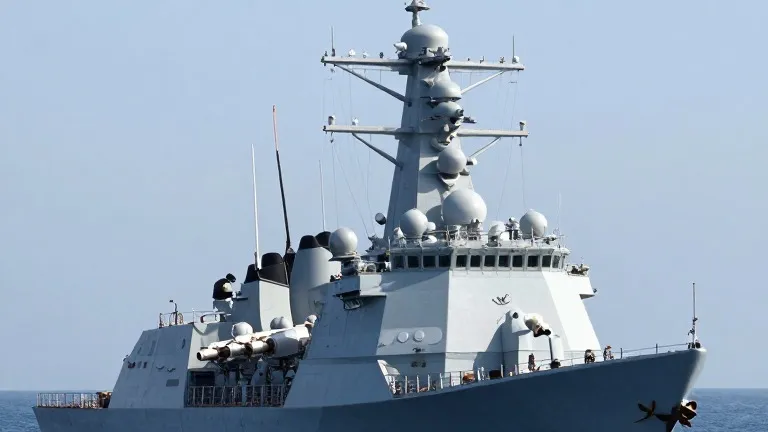
A major concern for the U.S. military is the sustainability of its defensive systems. Votel stated that American offensive power in the region is substantial and not in question. However, he warned that missile defense interceptors are facing constraints. These interceptors protect U.S. forces, regional partners, and critical infrastructure from incoming attacks.
Votel observed that the Iranian government has become more hard-line and willing to execute bold counterattacks. He described the use of proxies, including the Houthis, as a method for Iran to create regional instability. Despite these threats, he maintained that the principal worries remain the nuclear program and the blockade of the strait.
To bring Iran to the negotiating table, Votel recommended a coordinated strategy using military, economic, and diplomatic pressure. He stressed the need for patience to see this multi-faceted approach through. His assessment suggests that while the U.S. can sustain attacks, the defense side of the equation faces tighter limits than the offense.
Votel currently chairs the Combating Terrorism Center at West Point. He spoke to NPR correspondent Leila Fadel about the objectives behind a potential new bombing campaign. The discussion focused on how to translate military pressure into a decisive diplomatic outcome.
Source: NPR