Apple's 2001 iPod launch priced 5GB of storage at $399
Steve Jobs positioned the device as a digital hub, betting that a 1.8-inch hard drive could replace four distinct categories of portable media players.
By Leila Santos ·
Twenty-five years ago, on October 23, 2001, Apple CEO Steve Jobs revealed a device that cost $399 and stored approximately 1,000 songs. The price tag reflected the high cost of hard drive technology at the time, making the 5GB capacity the central economic driver of the product. Jobs introduced the item as a breakthrough digital device that was not a Mac, aiming to capture the emerging market for portable audio.
At the time of the launch, Apple was recovering from the dot-com crash. The company had moved past its beige-box hardware era with the success of the iMac and Mac OS X. Jobs envisioned the Mac as the central hub for a digital lifestyle, connecting cameras, video recorders, and audio devices. He targeted the music industry specifically because, in his view, no competitor had yet solved the problem of digital music portability. While firms like Sony, Creative, and Sonic Blue offered players, Jobs argued that the market lacked a clear leader.
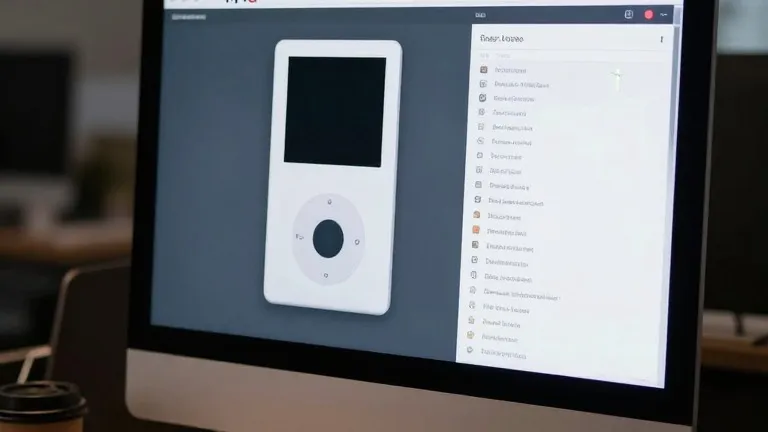
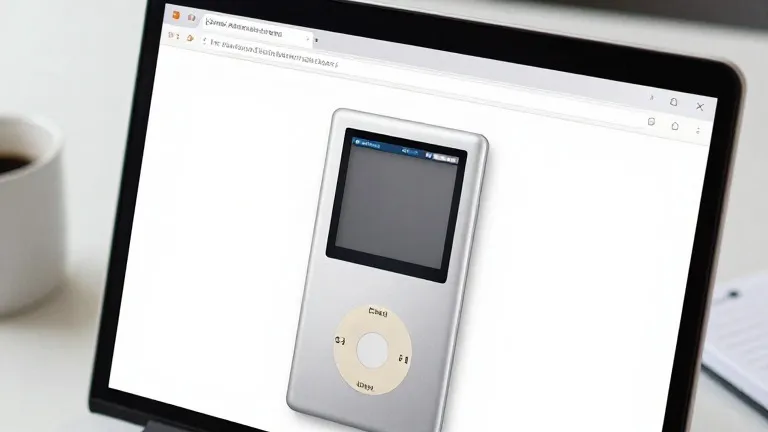
The device offered MP3, WAV, and AIFF support with CD-quality sound. Its hardware relied on a Toshiba 1.8-inch hard drive that was 0.2 inches thick. This component allowed the player to measure 2.4 by 4 by 0.78 inches and weigh 6.5 ounces, making it lighter than many cell phones of that period. The unit included 20 minutes of skip protection and used a single FireWire 400 cable for both power and data transfer. Jobs noted that FireWire could transfer a full CD in five to 10 seconds, a process that took roughly five minutes over the slower USB connections available then.
Apple also emphasized the device's ease of use and design. The player featured a minimal back and sides with controls intended for one-handed operation. An accelerated scroll wheel with a piezoelectric clicker provided tactile feedback for navigating playlists, artists, or specific tracks. During the presentation, the first song played was Sarah McLachlan's Building a Mystery. The battery was a rechargeable lithium-polymer unit that provided 10 hours of continuous playback and could reach 80% charge in one hour.
Software integration formed the third pillar of the launch. iTunes 2 debuted on the same day, adding MP3 CD burning and automatic syncing capabilities. When connected to a Mac, the device would match the user's library and transfer files automatically. It could also function as a FireWire hard drive. This ecosystem approach aimed to simplify the management of digital music for the average consumer.
The iPod line remained part of Apple's portfolio for two decades. The first iPhone arrived in early 2007, more than five years after the initial iPod launch. For over a decade, both products coexisted, though the iPhone gradually absorbed the iPod's primary function. The seventh-generation iPod Touch released in May 2019 was the final model. Apple officially discontinued the line in May 2022 after three years without updates.
Source: Tom's Hardware