Australian Inflation: Fuel Prices and Budget Deficits Drive Cost of Living Up
September data shows inflation accelerating to 4.3% as households face record high interest rates and rising petrol costs ahead of a likely fifth rate hike.
By Priya Singh ·
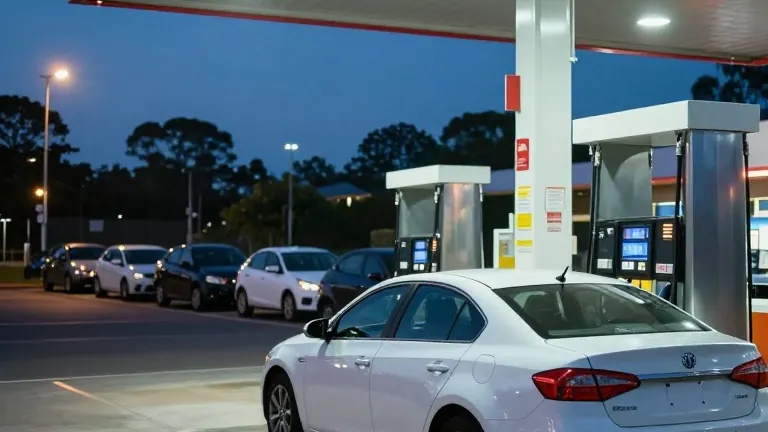
Australian households will pay more for fuel and mortgages in the coming weeks as inflation accelerates. The Australian Bureau of Statistics reported that fuel costs jumped 9.4% in September, a primary driver behind the overall inflation rate rising from 4% to 4.3% for the year to September. Petrol and diesel prices averaged 24% higher than in the same month last year, directly increasing expenses for commuters and freight operators across the country.
Treasurer Jim Chalmers attributed the price surge largely to the ongoing conflict in the Middle East. He stated that the war with Iran, which began in late February, has created economic pressures that the domestic government did not cause. Chalmers noted that global oil shocks are the main external factor complicating the path back to price stability. However, the government faces internal headwinds as public spending reaches record highs as a share of the economy.
Economists argue that domestic fiscal policy is also influencing price growth. Chris Richardson, a leading budget analyst, said that elevated government expenditure is not helping to lower inflation. The Reserve Bank of Australia has repeatedly pointed to capacity constraints in the labor and materials markets. These constraints existed before the conflict began and are now compounded by a surge in spending on datacenters for artificial infrastructure. This global tech boom is pulling resources away from traditional construction sectors like housing and road building.
Michele Bullock, governor of the Reserve Bank, confirmed that overseas developments are making it harder to achieve the central bank's 2.5% inflation target by the end of next year. The bank's preferred measure of underlying inflation, which strips out volatile price swings, also ticked up from 3.6% to 3.7%. This indicates that core price pressures remain firm even after removing the impact of fuel and food spikes. The data suggests that the cost of living squeeze is broadening beyond just energy costs.
Voters appear skeptical of the government's external blame. An Essential poll showed that nearly one-third of Australians believe government spending is the top cause of rising living costs. Only 24% cited overseas events like the oil shock as the main reason, while 19% blamed supermarket prices. This perception creates political pressure for the Labor government to act as it approaches the third year of its parliamentary term.
The Reserve Bank is preparing to deliver its fifth interest rate hike of the year. Officials stated they are more concerned about inflation becoming entrenched than about the rising unemployment rate, which recently hit a five-year high. A rate rise will push the cash rate to 4.85%, the highest level since the global financial crisis. Mortgage holders will see their repayments increase accordingly on the day of the Melbourne Cup race.
Sarah Hunter, the Reserve Bank's chief economist, said there are no signs the economy is entering a recession in the near term. Despite this assurance, 61% of Australians say the country is going in the wrong direction, compared to 25% who say it is going the right way. The government plans to use the December mid-year budget to address these concerns, though economists note there are no easy solutions to the current mix of domestic and global pressures.
Source: The Guardian
More Business · Bad Business · Report a business · Got a Story?