Home Maintenance: Vacuum Care Extends Appliance Life
Professional cleaners advise on specific cleaning intervals and part replacements to prevent motor failure in upright and cordless models.
By Leila Santos ·
Household appliances represent a recurring capital expense for many families, yet maintenance costs are often underestimated until a unit fails. Cleaning professionals are urging consumers to treat vacuum cleaners as mechanical systems that require regular upkeep rather than simple dust collection devices.
Ryan Knoll, owner of the home cleaning firm Tidy Casa, states that internal debris significantly impacts suction power and motor longevity. He notes that his team uses vacuums three to four times daily, leading to a functional lifespan of approximately two years. For residential users who clean every two to four weeks, Knoll projects a service life of three to five years, with some traditional upright models lasting up to a decade.
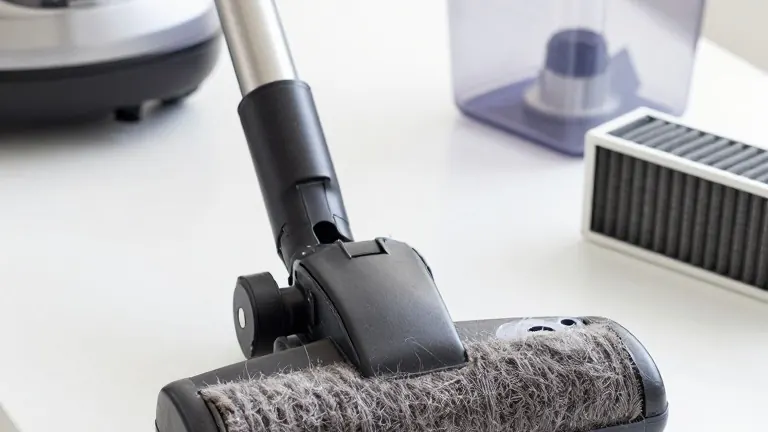
The primary maintenance task involves cleaning the filter, which sits above or below the dust bin. Knoll recommends cleaning reusable filters every two to three vacuuming cycles. He warns that reattaching a damp filter can lead to mildew growth and odor. Disposable filters require replacement every six to 12 months, while foam filters need monthly inspection for breakdown.
Cleaning the brush roll requires manual intervention to remove hair wrapped around the bristles. Knoll advises using scissors to cut between bristles and pulling hair out, or using a metal tool designed for bristle cleaning. The hose also requires attention; he suggests rolling a ping pong ball through the tube to dislodge lodged debris before rinsing the interior with warm water and mild dish soap.
The dust bin must be rinsed with warm water and wiped dry with a microfiber cloth after removing debris. Knoll specifies that most modern vacuums from brands like Shark, Dyson, and Bissell feature labeled tabs that allow for easy removal of these components. He recommends using Dawn dish soap to coat the bin and filter before rinsing.
When determining if a vacuum needs replacement, Knoll looks for signs of mechanical failure beyond simple clogs. If the unit barely picks up debris after filter cleaning and clog removal, the motor may be failing. Overheating or repeated shut-offs are additional indicators that the motor, a difficult part to replace, is nearing the end of its life.
Knoll notes that professional vacuums last around two years due to heavy use, whereas consumer models used less frequently should last three to five years. He cites the Sanitaire Tradition upright as an example of a model that can reach a ten year lifespan with proper care.
Source: NBC News
More Business · Bad Business · Report a business · Got a Story?