Pet fraud: AI images drive surge in missing animal scams
Victims across the UK report receiving threats and demands for gift cards after scammers use deepfake visuals to claim ownership of lost animals.
By Kenji Hassan ·
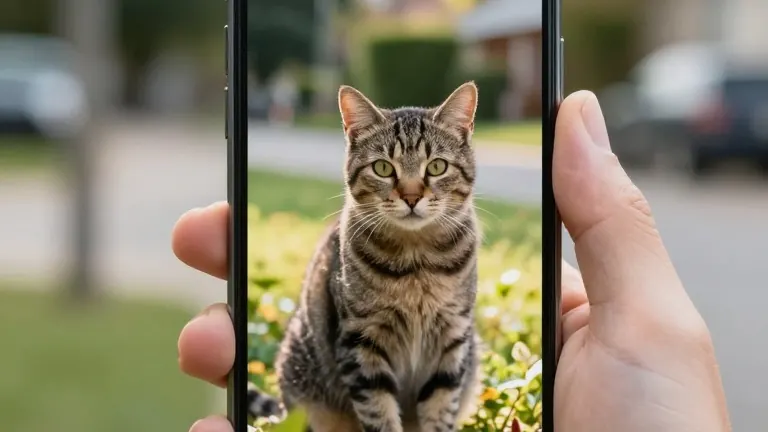
Fraudsters in the United Kingdom are using artificial intelligence to generate convincing images of missing pets, then threatening owners with harm if they do not pay large sums for the animals' return.
The tactic exploits the emotional distress of pet owners who have lost their animals. Scammers send realistic photos of the missing pet to prove they have it. They then demand payment, often in the form of gift cards, before agreeing to a handover. When owners question the validity of the images or refuse to pay, the fraudsters escalate the pressure by threatening to sell or kill the animal.
Stephanie Young from Birmingham lost her cat Buddy in September 2025. She received contact from a woman named Melissa who claimed to have found the pet. Melissa provided an image of Buddy and requested 100 Apple gift cards to cover the costs of feeding him and supporting her grandchildren. Young agreed to a meeting but the woman did not appear. After Young discovered the image was AI-generated, she received threats to sell or murder the cat. Buddy remains missing more than a year later.
Cam Chauhan from Wednesbury received a similar approach in July 2025. A scammer sent her an exact picture of her cat Creed sitting in a garden. Chauhan initially believed the cat was found and prepared to leave her home. Her daughters suggested the image might be fake. The scammer demanded a 200 pound Apple gift card before meeting. Chauhan refused, and the contact stopped. She is still waiting to hear from the finder.
Sarah Robinson from Northampton was contacted by a man named Kherson H two weeks after her cat Cookie went missing. The man sent a photo of Cookie outside a window and demanded 40,000 pounds via a money transfer link. Robinson refused the payment. Kherson H then threatened to kill the cat if he did not receive the funds. Robinson described the threat as cruel and terrifying, noting the fear that the claim might be real despite the evidence pointing to fraud.
All three victims reported the incidents to Action Fraud, a service run by City of London Police. The organization advises owners to arrange an in-person meeting to verify the pet's identity before transferring any money. It also urges people to remain vigilant against online criminals.
Dr. Rasha Kassem, a senior academic at Aston University, noted that AI has made online fraud easier because the technology is now accessible and free. She warned that the visual quality of generated images often makes them appear genuine. Kassem advised victims not to rush into sending money under pressure. She recommended collecting as much information as possible about the scammer and reporting the case to authorities without engaging in lengthy negotiations.
Pawboost, a platform for tracking missing pets, suggests owners ask for specific proof such as a short video showing unique features of the animal. They also recommend meeting in safe public places and asking questions that only the true finder would know, such as details about the pet's collar or personality traits that were not shared in public posts.
Source: Casualty