UW-Madison Students Limit Halloween Spending to $100 Amid Retail Boom
As national Halloween spending is projected to reach $13.5 billion, university undergraduates are turning to thrift stores and resale apps to curb costs and reduce waste.
By Leila Santos ·
University of Wisconsin-Madison students are capping their Halloween outfit costs at $100 as they seek alternatives to the rising expense of seasonal fashion. This self-imposed limit contrasts with a national trend where the National Retail Federation predicts Americans will spend $13.5 billion on Halloween goods this year. The average consumer is expected to spend $115.14 per person, a figure many students view as high for costumes that are often worn once.
Senior Hadley Wendorff noted that campus social norms often drive higher spending. She observed that the culture encourages wearing multiple elaborate outfits during the holiday weekend. "If your friends have a great costume you wanna have a great costume too," Wendorff said. This social pressure leads some students to purchase from fast fashion retailers like Shein, Amazon, and Spirit Halloween, which offer low prices but contribute to a high-volume production model.
Junior Lily Myhra reported that she sources her outfits through the resale platform Depop, estimating her total spend for the season at $50 to $100. Her classmate, junior Matteo Rovera, cited yearly trends as a factor in his purchasing habits. "There's fads for the year," Rovera said. "I would probably only ever wear one Halloween costume a year, but because of what my friends are doing, I have three this year." All three students confirmed they aim to keep their total expenditure for the weekend below $100.
The push for lower costs aligns with concerns over the environmental impact of fast fashion. Industry data indicates that fashion production accounts for 10% of global carbon emissions and pollutes waterways. Additionally, 85% of textiles end up in landfills annually. Students are increasingly aware that single-use costumes purchased from major retailers fit this wasteful pattern, prompting a shift toward more sustainable shopping habits.
To stay within their budgets and reduce waste, students are adopting several specific strategies. These include shopping at local thrift stores, using resale sites like Depop and Vinted, and checking Facebook Marketplace for used items. Many also borrow or swap costume pieces with friends or dig through their own closets and those of family members for usable clothing.
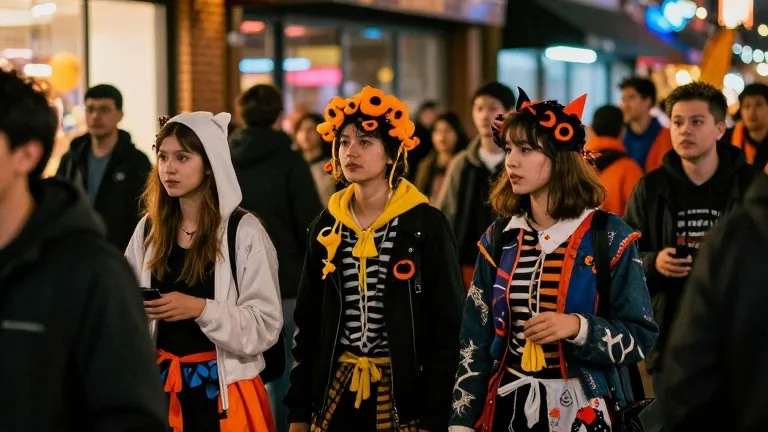
Advice from experienced students suggests buying garments that can be worn again outside of Halloween or repurposed for future costumes. This approach allows students to participate in the busy Madison nightlife scene, where costumed crowds fill the streets all weekend, without relying on disposable fashion. The goal is to find recognizable looks, ranging from zombies to niche internet memes, that are easy on both the environment and the wallet.
The shift toward secondhand and thrifting represents a practical response to the financial and ecological pressures of the holiday. By limiting spending to $100, students are attempting to balance the desire for creative expression with the reality of limited budgets and growing environmental awareness. This collective move highlights a changing mindset on campus regarding the value and disposal of seasonal clothing.
Source: The Daily Cardinal