Final debate in Rio pits Lula and Bolsonaro against each other
Two days before the final vote, the presidential candidates clashed over economic strategy and crime rates in a tightly contested race.
By Priya Singh ·
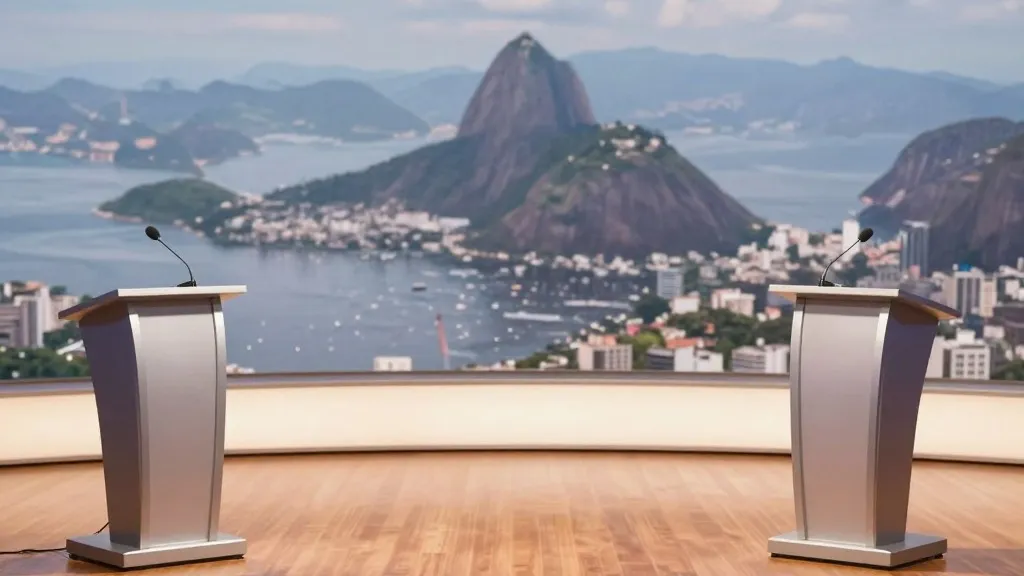
With less than forty-eight hours remaining before Brazil determines its next leader, the final presidential debate took place on Friday in Rio de Janeiro. The event marked the last major face-to-face encounter between incumbent President Luiz Inacio Lula da Silva and his right-wing challenger, Flavio Bolsonaro, before the run-off vote on Sunday.
The discussion focused heavily on the state of the national economy and the management of public infrastructure. Both candidates spent significant time questioning one another on their plans for regional development and fiscal responsibility. This policy-centric approach differed from the personal attacks seen in earlier stages of the campaign, though the tone remained sharp.
A central point of contention was the government's spending habits. Lula criticized his opponent's plan to drastically cut public expenditure, comparing the strategy to the aggressive austerity measures implemented by Argentine President Javier Milei. He described the proposal as taking a chainsaw to the budget.
Bolsonaro countered by arguing that the current administration has left the country in a state of financial insolvency. He stated that he would face the same challenges as Milei in Argentina because Lula is leaving the nation bankrupt. This exchange highlighted the stark difference in their views on how to manage Brazil's public finances.
The candidates also traded accusations regarding social welfare and the cost of living. Bolsonaro, who serves as a senator and is the son of former President Jair Bolsonaro, claimed that organized crime has expanded under the current government. He argued that families are being pushed into debt and that the high cost of daily goods has not been adequately addressed.
Lula, who made history as Brazil's first working-class president, responded by attacking his rival's personal background. He suggested that Bolsonaro does not understand the reality of hunger. Bolsonaro reacted by asking why basic items are so expensive. Lula further questioned the senator's experience, stating that he does not know Brazil well enough to lead it.
The debate, broadcast by TV Globo, was noticeably more diplomatic than their first meeting on Sunday. However, the atmosphere still tensed up during a specific exchange. Bolsonaro referred to Lula by the nickname Nine Fingers, a term used by many supporters to reference an accident Lula suffered while working as a metalworker. The eighty-year-old president demanded an apology, which Bolsonaro subsequently offered.
Another moment of friction involved the term vigilante. Lula used this word to describe his rival, pointing to allegations that Bolsonaro has ties to paramilitary groups in Rio de Janeiro. Bolsonaro responded by saying he would classify such groups as narcoterrorists. The tension peaked when they discussed a five-year-old child killed in a shootout involving a police officer whose lawyer was Bolsonaro. The candidate maintained that he does not believe his client was guilty.
The stakes of this election are high as the race has tightened considerably in recent days. In the first round of voting on October 4, Bolsonaro finished ahead with 47 percent of the vote, compared to Lula's 45 percent. However, a survey from the Datafolha institute published this Thursday shows the two candidates are now tied at 50 percent each. This result erases the four-point lead that Bolsonaro held in polls released just two weeks prior.
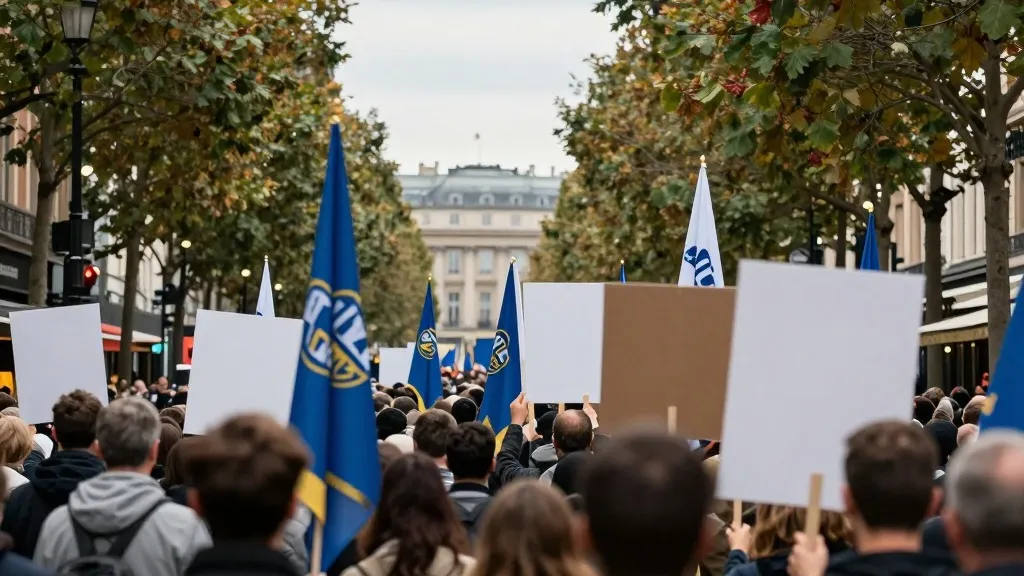
Both candidates are scheduled to join their supporters in the streets of Rio de Janeiro and Sao Paulo for a final campaign push. These rallies will serve as the last major public events before voters head to the polls on Sunday to decide the next president of Brazil.
Source: Al Jazeera