Hebron residents face weeks or months of displacement after shooting at Farsh al-Hawa checkpoint
Following the death of two soldiers, Israeli forces have ordered hundreds of Palestinian families to leave their homes in the West Bank city while demolitions and a citywide closure continue.
By Kenji Hassan ·
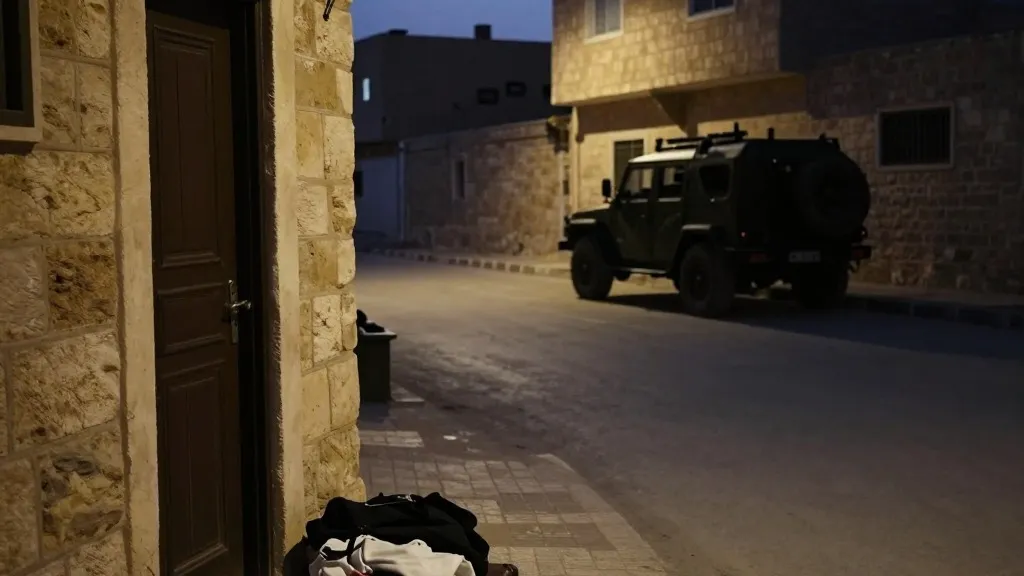
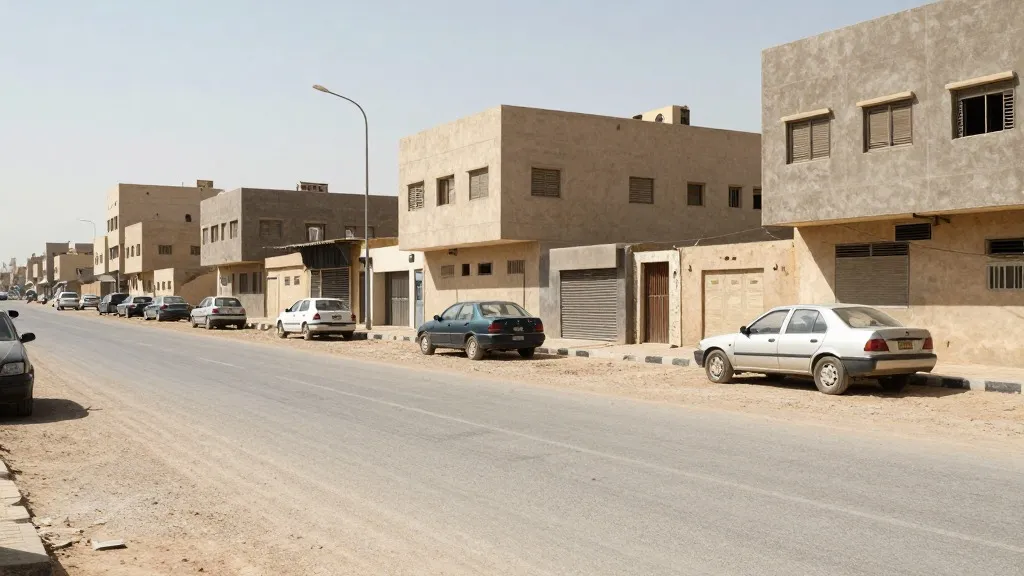
For hundreds of Palestinian families in Hebron, the immediate consequence of a deadly shooting near the Farsh al-Hawa checkpoint is no longer just a security alert but a forced departure from their homes. Starting on Saturday morning, residents in the neighbourhoods of al-Jalada, Ein Deir Bahha, Wadi al-Maghariba, and Shi'b al-Milh were ordered out at gunpoint. Many left with only small bags containing medicines, phone chargers, and vital documents, told by the military that their absence would last until further notice. Some families were given a more specific timeline, with soldiers informing them they might be kept out for six months to a year.
The displacement stems from a shooting incident on Friday near the checkpoint west of Hebron. During this encounter, two Israeli soldiers were killed and three others wounded. The two suspected Palestinian attackers, identified as Ahmad and Hamouda al-Joba, were also killed by military fire. The Joba family resides in the al-Jalada neighbourhood, which is the focal point of the current eviction orders. The military described the subsequent actions as an operation to thwart terrorism, conducted in coordination with the Shin Bet internal security service and the Border Police.
The timeline of events shows a rapid escalation from the initial shooting to mass evacuations. On Friday morning, shortly after the attack, Israeli forces stormed the area. By Saturday, the military had distributed maps designating specific homes and adjacent buildings for evacuation. Abdul Hamid Shahada, a resident of al-Jalada, described watching soldiers position themselves near the Joba family homes. He noted that families were compelled to leave, with one man reportedly beaten during the process. Shahada and his family remained in their building overnight, packing essentials in anxiety while waiting for instructions. The following morning, they were directed along a specific route toward Al-Salam Street.
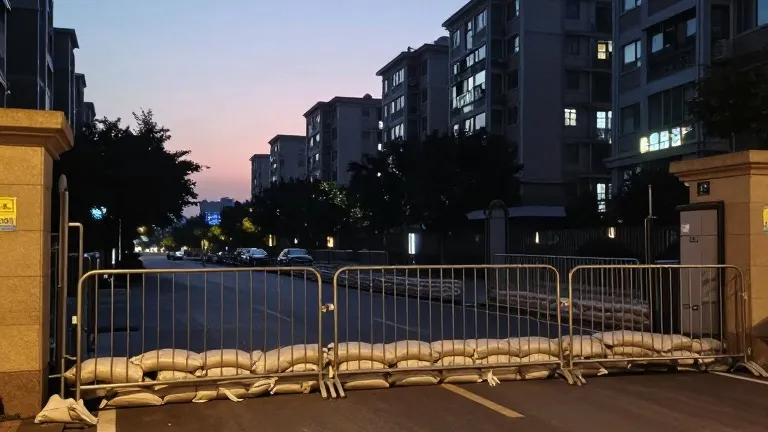
The military operation has expanded beyond the immediate residential areas. It includes the demolition of residential buildings, commercial shops, and industrial facilities in Farsh al-Hawa. Local sources report that approximately seven dunums of land have been levelled. Concurrently, Israeli forces imposed a broad closure on Hebron, blocking main entrances and roads to the city, surrounding villages, towns, and refugee camps. This closure has restricted movement for residents and visitors alike, with forces continuing to deploy across various parts of the city. The operation remains active, with the military stating it is searching for terrorist infrastructure and weapons while interrogating dozens of suspects.
The human impact of these actions has placed significant strain on local resources. Khaled al-Qawasmi, the deputy mayor of Hebron, stated that the military began the operation around midnight, giving residents only one hour to vacate their homes. He reported that approximately 250 families have been forced to leave so far, a figure that is not final due to the ongoing siege. The evacuations included both adults and children, with no residents permitted to remain in the targeted zone. Those who left in the first wave sought refuge in the homes of relatives. For those without family nearby, the Hebron Municipality activated an emergency plan to provide shelter.
The municipality has opened several facilities to accommodate the displaced, including family guesthouses, the Childhood Happiness Centre, and the Korean Centre. Qawasmi warned that the current capacity of these shelters is limited. If the military operation continues or expands, the city could face a crisis in finding adequate shelter for additional families. The emergency plan also involves the establishment of an operations centre to monitor residents' needs and coordinate responses to the displacement.
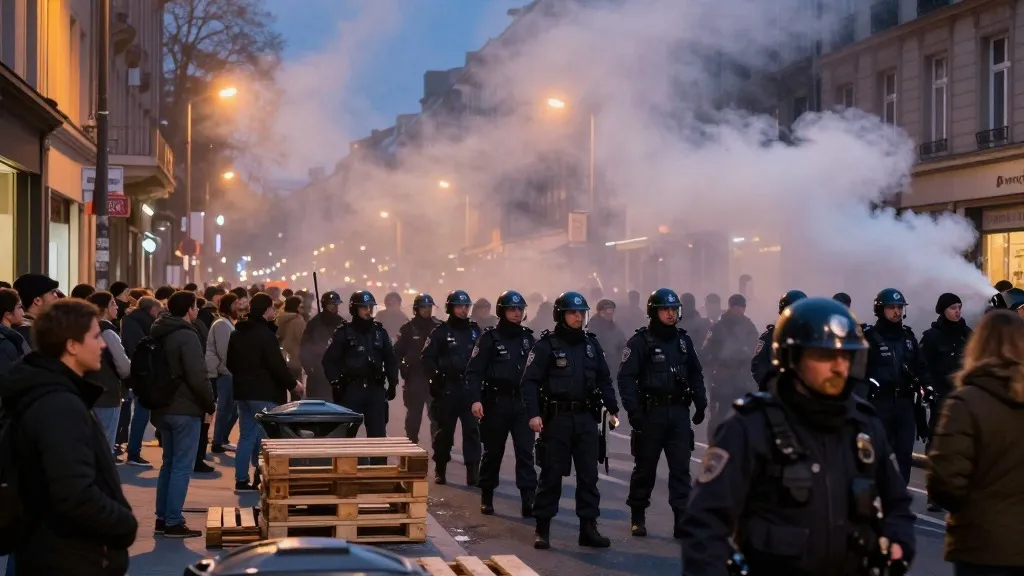
The situation has also resulted in a significant number of arrests and detentions. Local sources reported that at least 13 Palestinians were arrested in Hebron. Additionally, dozens of others were detained for several hours and subjected to field interrogations. The military stated that the operation is focused on the area from which the alleged attackers operated. Residents are allowed to leave through designated exits, but the lack of clear information regarding their return has created uncertainty. Many families, including the Shahada family, remain anxious about the fate of their homes, especially after observing neighbours' houses with doors and windows left open and signs of ransacking.
The broader implications of this operation extend to the daily lives of working families and the stability of the community. The closure of main roads and the presence of military forces in various parts of the city disrupt normal routines and economic activity. The combination of evictions, demolitions, and arrests signals a sustained military presence that local leaders fear could worsen the humanitarian situation. As the operation continues, the focus remains on the targeted neighbourhoods, but the effects are felt across Hebron and its surrounding areas.
Looking ahead, the key uncertainty is the duration and scope of the military action. The deputy mayor indicated that the number of displaced families could rise if the operation expands. The military has not announced a specific end date for the closure or the evacuations. For the hundreds of families currently living in temporary shelters or with relatives, the next steps depend on the outcome of the military's search for infrastructure and the decisions made by the coordinating security services. The local municipality continues to manage the emergency response, aiming to support residents while navigating the ongoing military restrictions.
Source: Middle East Eye