9,000 Hectares of Poppies Detected in Pakistan as Opium Trade Shifts
Satellite data indicates a major move of poppy cultivation into regions bordering Afghanistan following the ban imposed by the Taliban.
By Kenji Hassan ·
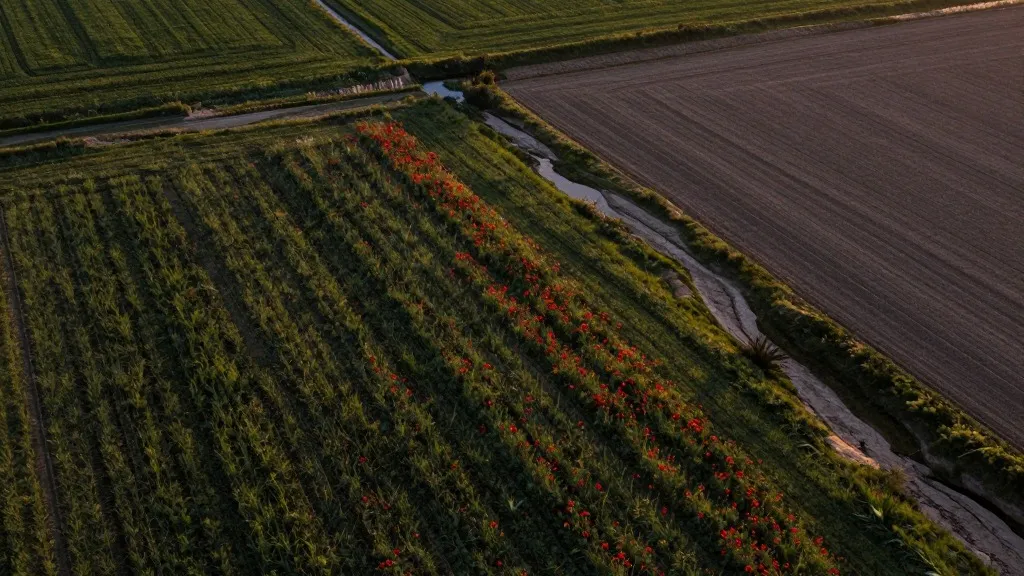
For ordinary people in the region, the trade in illicit narcotics is physically relocating. Following the ban on illicit narcotics imposed by the Taliban in 2022, the geography of the opium trade is shifting. Satellite imagery and reports from local farmers indicate that poppy cultivation is expanding significantly in Pakistan’s Balochistan province and Iran’s Sistan-Baluchistan province. These areas share a border with Afghanistan, suggesting that production is moving across international lines rather than disappearing entirely.
The core claim driving this assessment is based on new surveillance data. Satellite analysis conducted by the British firm Alcis, combined with interviews with local farmers, identified more than 9,000 hectares of poppy cultivation in Balochistan alone. This activity is concentrated in the districts of Loralai and Killa Abdullah. David Mansfield, a leading expert on Afghanistan’s illicit drugs industry and author of A State Built On Sand: How Opium Undermined Afghanistan, described the situation as a global center for opium production located within the remote borderlands of the three countries.
Despite these findings, official accounts in Pakistan differ from the satellite evidence. Pakistan’s government has denied reports of opium cultivation and insists that any poppy crops found have been destroyed. The United Nations Office on Drugs and Crime estimates that opium production in Pakistan remains marginal. However, the agency has acknowledged that scarce regional data and sharp rises in eradication figures point toward a certain degree of spillover effects from Afghanistan.
Local conditions in Balochistan appear to favor this shift. The province has suffered a decades-long insurgency, and violence has intensified in recent years. A former National Assembly member from Killa Abdullah alleged that cultivation is being backed by senior military officials and pro-government power brokers who take commissions from growers. A district official rejected that claim, stating that cultivation declined after an eradication campaign last year, though satellite imagery from 2026 shows no clear evidence of that eradication.
The economic incentives for growing poppies are also influencing farmer behavior. Farmers in Killa Abdullah reported that insecurity, drought, and flash floods have devastated traditional fruit farming. One resident noted that the income from poppies exceeds that of fruits. Furthermore, Afghan poppy growers are crossing the border to lease land in Pakistan, investing in solar-powered wells and sharing profits with local landowners. Poppies can be harvested twice a year, and some farmers doubled their cultivated land in 2026.
A similar pattern of cultivation is visible in Iran, particularly in Sistan-Baluchistan, where Afghan farmers work as tenants. Satellite imagery shows extensive poppy fields there, some using drip irrigation. This costly investment suggests that growers who planted in late 2025 expected little risk of eradication. Iranian authorities have been unable to destroy the 2026 crop due to the ongoing conflict with the United States and Israel since late February.
Opium cultivation also appears to be rebounding inside Afghanistan despite the ban. Production is concentrated in northeastern Badakhshan Province and several southwestern provinces. Driven by drought, debt, and economic hardship, farmers have protested the ban. A directive barring home searches for poppy or opium without a court order appears to be a concession to this pressure. Mansfield warned that if authorities tolerate cultivation beyond walled compounds, Afghanistan could see a dramatic rise in opium production in 2027.
Source: RFE/RL