Households across Europe and North America build emergency stockpiles following new government guidance
From 120 litres of water in Dutch attics to 150 gallons in American basements, individuals detail their personal crisis kits and the reasons behind their preparations.
By Leila Santos ·
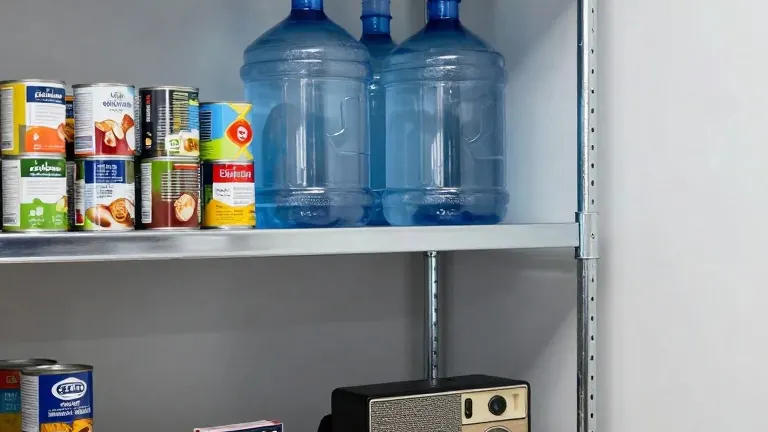
Dan C, a physiotherapist in Maryland, has spent approximately $6,000 on emergency supplies for his family of four. His basement shelves hold 150 gallons of water, a camping stove, and three months' worth of non-perishable food. He describes this accumulation as a responsibility to his two children, both under the age of 10. The preparation began after a cold snap in February cut off power to his home for two days, revealing gaps in his existing stock.
In the United Kingdom, sales of tinned food, radios, and torches rose sharply after the government advised households to stock up for a national emergency. While this specific guidance is new to British residents, similar preparedness measures are standard in many other nations. Countries with histories of extreme weather, natural disasters, or geopolitical tension regularly issue such instructions, sometimes delivering booklets directly to homes.
Andreas Wennerberg, a 30-year-old resident of Stockholm, Sweden, began his preparations after receiving a government booklet two years ago. The publication detailed actions to take in cases of crisis or war. He now keeps a crank radio, a 10-litre water tank, and approximately 200 euros in cash in his basement. Wennerberg calls the booklet a wake-up call but admits he has not followed all the advice. He states that he feels secure and is not overly worried.
Ayumi T, a 27-year-old university worker in Tokyo, maintains an emergency rucksack in her wardrobe. The bag contains clothes, towels, menstrual products, disposable chopsticks, masks, and a portable toilet. She increased her supplies following an earthquake in 2024 that killed hundreds of people and damaged the Noto Peninsula. Her family reviews their kits every new year to replace expired food. Tokyo’s government provides a 68-page disaster prevention guide that outlines these recommendations.
In Atlanta, Georgia, Nicole Bonds, a 48-year-old leadership coach, has been thinking about emergency scenarios for five years. She attributes this focus to a rise in severe weather patterns globally. Her motto is to be prepared rather than panicked. She buys supplies gradually to keep costs down, storing items such as batteries, power banks, and first-aid kits under her bed and in kitchen cabinets.
Michael Stuut, 39, lives in Hoorn, Netherlands, a region situated below sea level. He worries about extreme weather and potential conflict. His emergency storage includes a Starlink Mini satellite device, a generator, a first-aid kit, and 120 litres of water kept in the crawl space beneath his home. He created an application earlier this year to track food expiration dates. Dutch authorities launched a campaign in late 2025 instructing households to hold 72 hours of supplies, mirroring the recent UK advice.
Stuut says his wife initially did not understand the need for the stockpile but now accepts its importance. They told their five-year-old son that the supplies are for times when the family does not want to visit the shop. He remains skeptical of the three-day rule but believes that having basic items at home helps emergency services assist those in greatest need.
The Federal Emergency Management Agency in the US advises people to assemble emergency kits and create family plans. Dan C notes a tendency to catastrophize in planning but views his efforts as standard homeownership. He uses a rotating pantry system, consuming long-life items like oats and quinoa and replacing them so they do not expire while stored.
Source: Casualty