Rosenthal says 1 in 20 Americans suffer from seasonal affective disorder
The psychiatrist who coined the term advises using 10,000-lux lamps, strict eating windows, and daily movement to counter the condition's impact on work and sleep.
By Kenji Hassan ·
One in 20 people in the United States experiences seasonal affective disorder, a condition that typically affects individuals for 40% of the year, according to the American Psychiatric Association. The syndrome is characterized by sluggishness, depression, oversleeping, and a loss of interest in previously enjoyable activities. Many additional people suffer from the winter blues, a milder form of the condition that leaves them feeling sadder and slower.
Dr. Norman Rosenthal, a psychiatrist who moved from South Africa to the U.S. in 1976, observed that people around him became depressed on a schedule similar to autumn leaves turning color. He published the first research on the syndrome and coined the term seasonal affective disorder in 1984. Women are about four times more vulnerable to the condition than men, and it is more common in the Northern Hemisphere.
Rosenthal notes that the symptoms of the disorder creep up on patients incrementally. He compares the progression to a frog in a bowl of water that is slowly warmed, where the animal does not realize it is in danger because the change is gradual. A patient once described the feeling as being like a bear in winter, wanting to hibernate. Rosenthal says that those who seek medical help are often those who are significantly disabled by the symptoms.
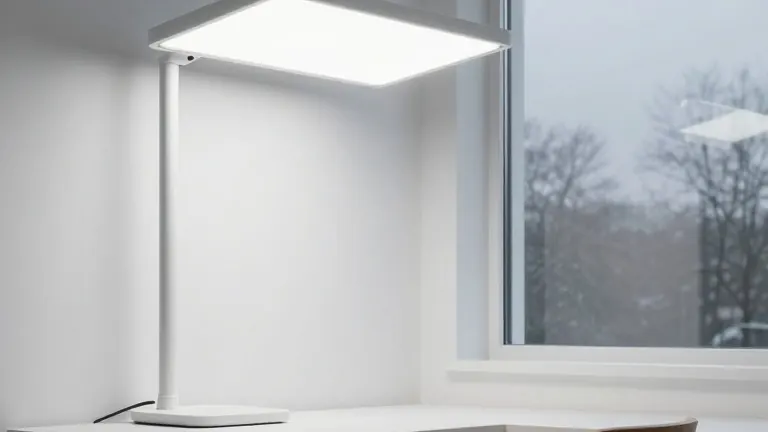
A core physiological issue for many patients is a need for more light. Rosenthal recommends using a lamp that generates 10,000 lux of light, a measurement far more intense than standard indoor lighting. The light must be absorbed through the eyes, not the skin. He advises placing the lamp so the light shines down on the user, mimicking the sun hitting the retina from above. The morning is the best time for this exposure. Users should sit for 20 to 30 minutes daily and expect to feel a difference within two weeks.
Emily Manoogian, a clinical researcher at the Salk Institute for Biological Studies, explains that people with the disorder often have a delayed circadian rhythm. Food serves as a cue to the body just as light does. Manoogian advises stopping eating three hours before sleep to signal that the body should rest. Keeping eating within a consistent 10- to 12-hour window provides a strong temporal cue to the body.
Exercise acts as another environmental cue that helps internal clocks align with the time of day. Manoogian states that exercising during active hours stimulates the brain to be awake at the right time and allows the body to rest in the evening. Rosenthal warns that inaction can create a vicious cycle where a lack of energy leads to less light exposure, which increases depression and further reduces the desire to move.
The disorder stems from three main causes: genetics, a lack of light, and stress. Rosenthal notes that stress often arises from a lack of motivation, where feeling down and ineffective makes work and daily tasks harder. He suggests reducing stress through bright room decorations, therapy, or meditation. Although the effects of meditation on the condition have not been fully studied, Rosenthal believes it can be helpful.
While simple tips help many people, medication can be effective for those whose condition interferes with work or relationships. Rosenthal emphasizes that these measures are not a cure. He notes that the disorder can persist, but managing it consistently can lead to a state where the symptoms become less intrusive over time.
Source: WYPR