Israir Evaluates Takeover of Struggling Rival Arkia
The second largest Israeli carrier is considering acquiring Arkia, which posted $30 million in losses in the first nine months of 2026.
By Priya Singh ·
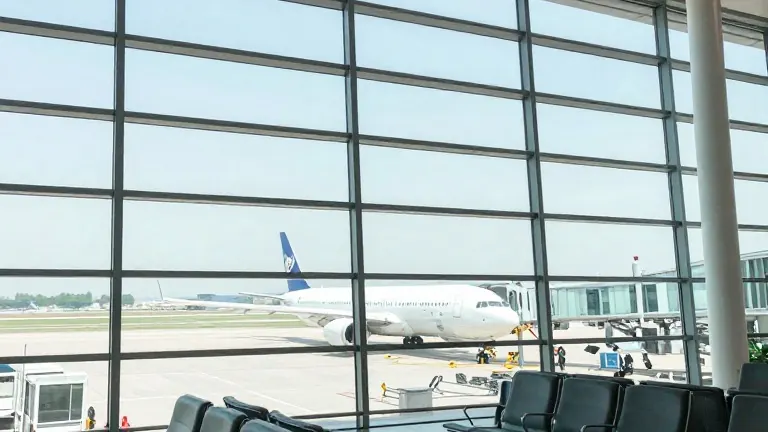
Israir, the second largest airline in Israel, is evaluating a potential purchase of Arkia Israel Airlines. The talks were first reported by the business daily Globes and have been confirmed by Israir, which described the discussions as exploratory. The potential merger would combine the country's second and third largest carriers, significantly altering the competitive balance in the domestic aviation market.
The initiative for the talks appears to have originated with the Nakash brothers, the controlling owners of Arkia. Arkia reported losses of approximately $30 million in the first nine months of 2026. Projections indicate the company may finish the year with a deficit between $50 million and $60 million. Although Arkia is privately held and does not publish detailed financial statements, the airline acknowledged that rising costs are straining its operations and that it carries a heavy debt load.
Lior Vider, founder of the investment consultancy Profit Multiplier, characterized the deal as a strategic opportunity for Israir. Vider noted that the acquisition would allow Israir to capitalize on Arkia's liquidity issues. A combined entity would hold nearly 22 percent of the market share at Ben Gurion Airport. This would create a domestic aviation giant capable of acting as a counterweight to the flag carrier, El Al.
The acquisition would also provide Israir access to Arkia's takeoff and landing slots on long-haul routes to Europe, the United States, and the Far East. Vider explained that securing such slots is increasingly difficult due to capacity bottlenecks at Ben Gurion Airport. Arkia expanded its long-haul destinations in the past year, adding New York, Phuket, and Hanoi. However, most of these flights are operated through wet lease arrangements, where both aircraft and crews are leased from foreign airlines. In July, 70 percent of Arkia's flights were operated via these costly methods.
Regulatory hurdles are expected to complicate the transaction. The Israel Competition Authority is likely to scrutinize the deal closely, given that the market is dominated by four main operators: El Al, Israir, Arkia, and Air Haifa. Vider suggested that regulators might approve the deal under specific conditions if they determine that Arkia's financial collapse would be worse for the traveling public.
Labor relations present another challenge. Arkia employees demonstrated in Bnei Brak, east of Tel Aviv, on Tuesday to protest unilateral moves by the airline's owners ahead of a potential sale. The workers' union warned that it would fight to protect employee rights and job security, threatening industrial action that could disrupt travel. Employees hold a 22 percent stake in Arkia through a partnership structure, granting them a right of first refusal on major corporate transactions.
The Histadrut Labor Federation is likely to support a sale, according to Vider, given the pressure to prevent bankruptcy. A bankruptcy would leave hundreds of employees without work. Arkia attributed its financial challenges to a sharp surge in jet fuel prices, rising input costs, and a shifting security landscape.
The negotiations are taking place against the backdrop of a regional shift in air travel. Since the war with the Hamas terror group began on October 7, 2023, foreign airlines have repeatedly halted or reduced flights to and from Tel Aviv. Local carriers have become the primary reliable connection for the country, maintaining its air bridge to the world.
Arkia stated that its shareholders are working to rehabilitate the company and are examining various alternatives both in Israel and abroad. For the deal to proceed, Israir would need to absorb substantial liabilities, resolve the labor dispute, and secure clearance from the competition authority. The next steps depend on whether the exploratory phase matures into a formal transaction.
Source: The Times of Israel
More Business · World news · Bad Business · Report a business · Got a Story?