NHTSA Drafts Cyan Light Rule for Autonomous Fleets
The agency proposes a national standard for blue-green marker lamps to simplify compliance for robotaxi operators.
By Leila Santos ·
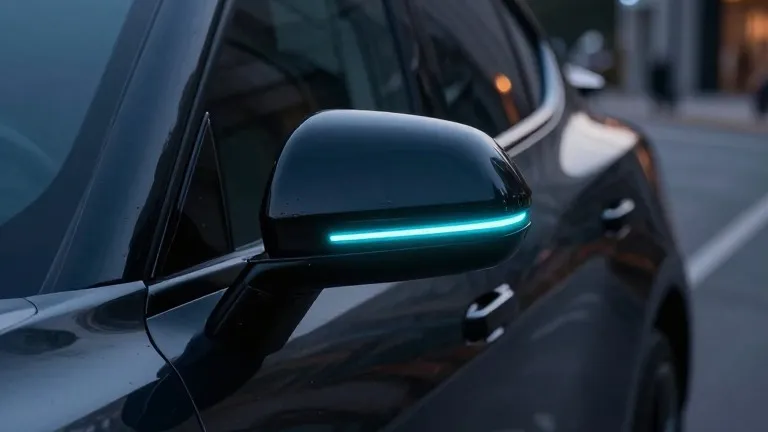
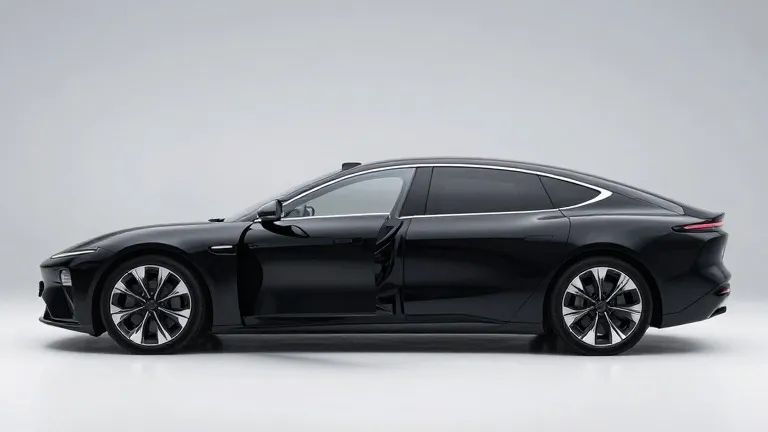
The National Highway Traffic Safety Administration has released a proposal to amend Federal Motor Vehicle Safety Standard No. 108. The draft rule introduces a specific blue-green cyan light for vehicles operating without a human driver. This move aims to resolve a long-standing industry debate regarding how autonomous cars signal their status to other road users.
NHTSA states that the cyan marker lamps would clearly and consistently signal to law enforcement and other road users when an automated driving system is operating the vehicle. The agency selected this color because the auto industry already utilizes red, amber, white, and flashing blue or red lights for braking, turn signals, and emergency functions. Cyan fills a visual gap without causing confusion on the road.
The proposal makes the lights optional for manufacturers. However, by setting federal requirements for color, brightness, and placement, NHTSA seeks to ensure any company that installs them uses a consistent configuration. This approach avoids a patchwork of different colors and signals currently seen in the market. Companies such as Waymo, Nuro, and Zoox, along with automakers including GM and Mercedes, could adopt this standard.
The draft rule also removes lighting requirements that apply to human drivers. NHTSA proposes to eliminate the need for physical hazard switches, manual beam shifters, and turn levers inside autonomous vehicles. The agency will update the 12.8-volt testing standard to accommodate modern LED systems without administrative hurdles. It is also considering dropping rules about the vertical placement of high-beam lights relative to low-beam lights.
Mercedes-Benz previously won state-level approval for turquoise lights on its Level 3 Drive Pilot vehicles. The automaker has since dropped that approach in favor of a Level 2++ system. NHTSA wants a national standard to replace these fragmented approvals. The changes fit into a wider Department of Transportation push to speed up the deployment of autonomous vehicles and make it easier to build cars without traditional controls like steering wheels and pedals.
Regulators are still enforcing existing rules as written. Last month, NHTSA opened an audit query into the Tesla Cybercab to examine the process and technical data Tesla relied on when certifying the vehicle. The concern centers on the absence of design features required under current federal standards, including sideview mirrors, pedals, and a steering wheel.
Source: The Verge
More Business · Tech news · Bad Business · Report a business · Got a Story?