Spain's Set Lunch Hits €14.70 Average as Demand Slides
Daily set meals still number four million per day, but rising costs and time constraints are squeezing family-run restaurants.
By Kenji Hassan ·
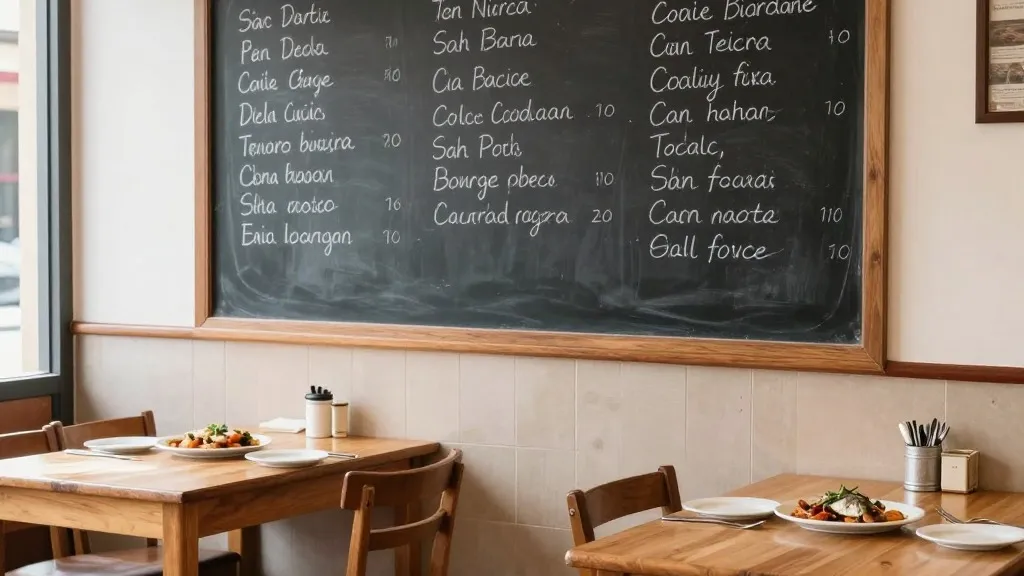
The average price for a daily set lunch in Spain has reached €14.70, a cost that is pressuring small, family-run restaurants to adjust their offerings.
Approximately four million of these fixed-price meals are served on each working day. The tradition, known as the menú del día, has been a staple of Spanish dining for over half a century. However, the format is facing a slow decline in popularity. In 2009, chef Ferran Adrià declared the concept dead, citing shifting eating habits and the rise of bistro-style establishments that charge between €20 and €30 for simple meals.
Seventeen years after that assessment, the practice persists but faces financial headwinds. Lakshmi Aguirre, a Spanish food journalist, released a new book titled Menú del Día: Everyday Scenes of a First Course, a Second Course and Pudding. In it, she argues that the tradition is currently in trouble, though not yet finished.
The origins of the set lunch are rooted in state policy rather than culinary tradition. It emerged in the mid-1960s as a tourist menu designed by Manuel Fraga, the information and tourism minister under dictator Francisco Franco. The regime aimed to demonstrate that food was plentiful and affordable to foreign visitors following the post-war period of scarcity.
Regulations required establishments to serve a soup starter, a main course of egg, fish, or meat with a side, and a dessert of fruit, sweets, or cheese. Prices were capped between 50 and 250 pesetas. The law also mandated that the included quarter-litre of wine be a pure Spanish red or white with a minimum alcohol content of 12%. In the early 1970s, the name was changed to reduce its association with tourism and to encourage domestic consumption.
Today, the high price point and time scarcity are driving changes. Many consumers opt for quick meals from home or supermarket ready meals. Rising energy and food costs make it difficult for small operators to maintain rotating daily menus. Some restaurants have responded by offering a single dish of the day, while others have added Latin American staples to reflect changing demographics.
Aguirre notes that the menu has historically mirrored Spanish society. She states that nostalgia is growing as people realize the format is fading. "It says a lot about us Spaniards; we forget very quickly," she said regarding the public's limited knowledge of the menu's origins under Fraga.
For Aguirre, the economic impact is tied to social function. "What's being lost is a meeting point," she said, describing the lunch as a place where families with limited means can eat out and people living alone find company. She emphasized that the value lies in having the time to enjoy the meal, not just the ability to pay for it.
Her criteria for a successful venue include simple dishes, a regularly changing menu, and non-frozen chips. She advises against menus featuring words like avocado, burrata, tartare, truffle, or sourdough bread. Bonus points are awarded if the owners' child is doing homework at a table in the back.
Source: The Guardian
More Business · World news · Bad Business · Report a business · Got a Story?