Tesla's 1.74M FSD Count Relies on Outright Buyers, Not Just Monthly Fees
New EV buyers face a $99 monthly fee, while Tesla counts prior one-time purchasers toward a critical executive compensation milestone.
By Kenji Hassan ·
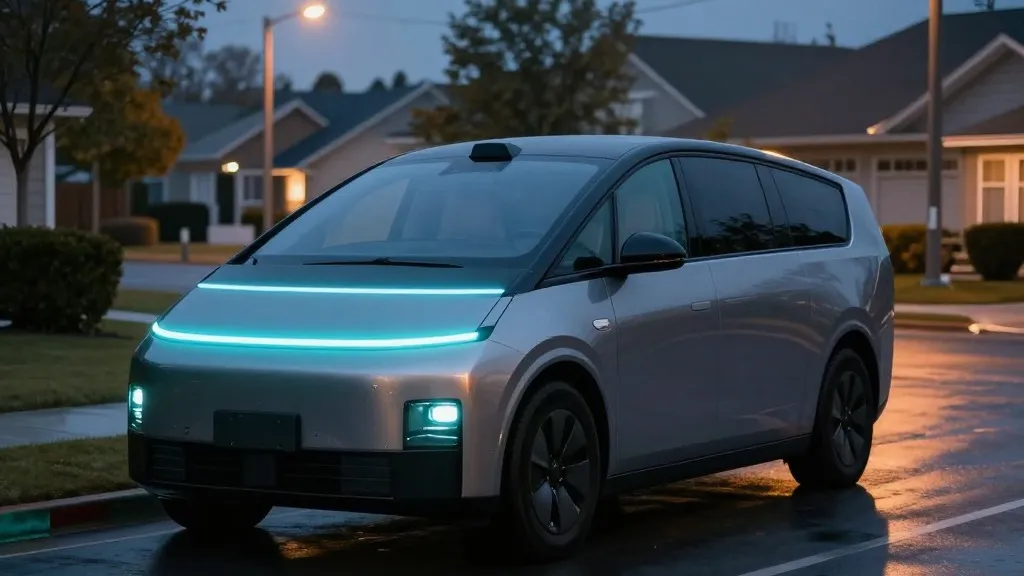
For consumers purchasing new electric vehicles in the Mid-Atlantic, the shift to Tesla’s software model means a recurring monthly expense of $99 rather than a single upfront cost. This change impacts the total cost of ownership for new buyers, as the company stopped selling its Full Self-Driving software as a one-time purchase on February 14, 2026. While existing owners who paid up to $15,000 previously retain access, new customers are locked into a subscription model that Tesla now uses as a primary metric for gauging its software business.
In its Q3 2026 shareholder letter, Tesla reported 1.74 million active Full Self-Driving subscriptions, a 67% increase from the previous year. The company added 260,000 net subscriptions during the quarter, marking its strongest performance in the segment to date. However, the methodology behind this figure is specific: it includes both monthly subscribers and owners who purchased the software outright. This counting method aligns with the definition established in the 2025 CEO Performance Award, a compensation package that relies on operational milestones to determine executive payouts.
The distinction between monthly payers and upfront buyers is significant for investors and analysts. Tesla has not disclosed how many of the 1.74 million users are currently paying the $99 monthly fee. The only exclusion from this active subscription count is free trials. This lack of granularity leaves a gap in understanding the recurring revenue stream versus the legacy base of one-time purchasers who continue to be counted as long as their vehicles remain active.
This accounting approach is consistent with other metrics in the report. Tesla’s cumulative delivery figure, now at 10.2 million vehicles, also includes unsupervised Robotaxis placed into commercial operation. This broader definition helps align the data with the 20 million vehicle milestone required for the CEO’s pay package. The compensation structure includes 12 tranches, each tied to market capitalization and operational goals, such as 1 million Optimus robots and 1 million robotaxis in service.
As of June 30, Tesla considered only one of these operational milestones probable: the 20 million delivery target. The 10 million active FSD subscription target remains a key hurdle. At the current pace of adding approximately 700,000 subscriptions annually over the last 12 months, reaching the 10 million mark would take roughly 12 years. Even at the faster rate of the most recent quarter, the timeline extends to about eight years, a period that fits within the award’s duration, which runs until 2035.
Tesla also highlighted a 75% attach rate for FSD subscriptions on new North American deliveries in Q3. The company described this as a nearly 20 percentage point sequential increase, suggesting that the software is driving demand in available markets. However, the letter does not define whether this rate includes introductory offers or tracks long-term retention. Unlike the active subscription metric, the attach rate does not explicitly exclude free trials, raising questions about how many of these buyers continue paying after the initial period.
The board’s decision to define the FSD metric in a way that supports executive compensation has drawn attention from market observers. Critics note that counting upfront buyers as 'subscribers' presents a stronger picture of momentum than monthly recurring revenue alone would show. For Tesla, the 75% attach rate is the more compelling business indicator, as it reflects the adoption of a recurring revenue product. Demonstrating retention among these new subscribers will be crucial in validating the long-term viability of the $99 monthly model.
For ordinary buyers, the immediate financial impact is clear: new vehicles come with a software fee that must be maintained to keep the feature active. While the company’s software base is growing, the composition of that base, mixing legacy upfront buyers with new monthly subscribers, remains a key factor in understanding the true financial health of Tesla’s autonomous driving efforts.
Source: Electrek · original report published
More Business · Bad Business · Report a business · Got a Story?