France Stands Guard Amid New Protest Surge
Over 70,000 officers were deployed nationwide on Saturday to manage a second wave of demonstrations focused on education and cost of living.
By Kenji Hassan ·
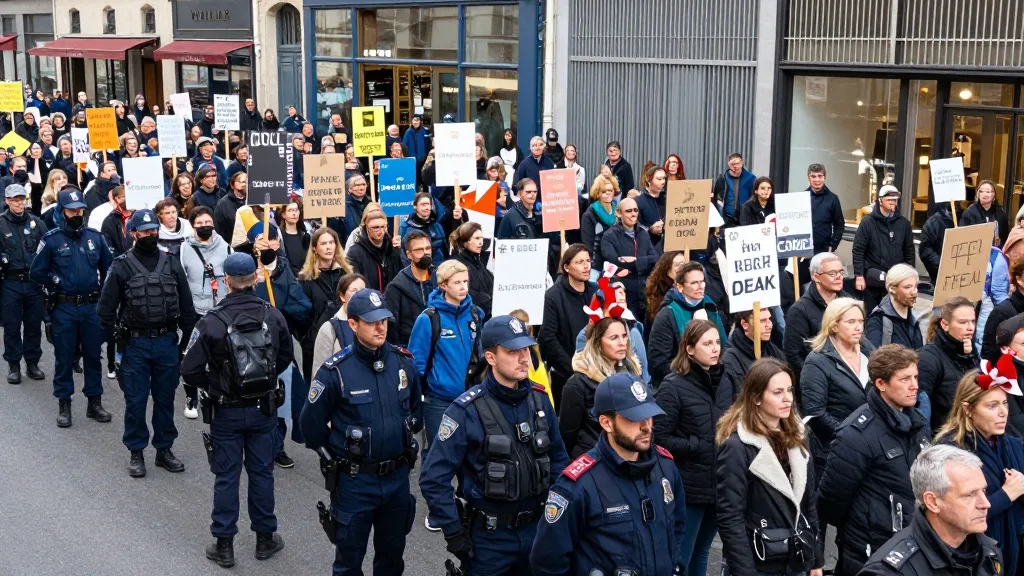
A massive security deployment defined the start of a new wave of civil unrest in France on Saturday.
More than 70,000 police officers and gendarmes were mobilized across the country to prevent a recurrence of the violent clashes seen last week. These measures followed a week in which largely peaceful demonstrations turned into the nation's worst riots in years, resulting in over 2,000 arrests and extensive damage to local businesses. Interior Minister Laurent Nunez stated that 20 percent more personnel were on duty compared to the previous weekend. The elite RAID unit supported broader police operations instead of directly managing crowds. By early Saturday afternoon, authorities reported at least 135 arrests nationwide and the seizure of various weapons, while describing the overall situation as calm.
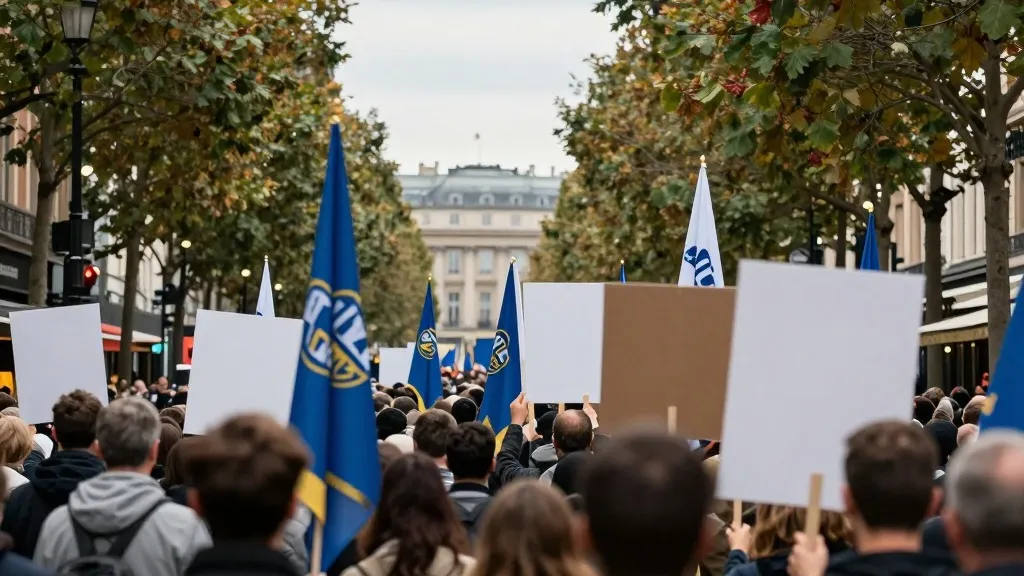
Protests target deteriorating conditions in schools and the rising cost of living. In Paris, thousands marched peacefully along a specific route in the southeastern part of the city. Local authorities permitted only this path after banning an originally negotiated central itinerary. Groups other than unions were also prohibited from organizing separate protests. This last minute change frustrated many participants. Emma, a podcaster, described the move as a tactic to drain the movement's energy. Monica, a retired public education worker, said it made the movement seem invisible. Neither provided a last name. Marchers included students, teachers, nurses, and union representatives. They chanted slogans calling for President Emmanuel Macron to resign, with one group shouting that they were preparing a revolution against too many billionaires.
Central Paris prepared extensively for the day. Many businesses closed and covered windows with protective panels, while some retailers hired private security. At least 24 metro stations were closed at the request of the police prefecture. Major cultural institutions like the Louvre and the Musee d'Orsay shut their doors, and Art Basel Paris cancelled its weekend events. Protests were banned in the downtown areas of several other cities, including Montpellier, Rouen, and Nice. In Lyon, police fired tear gas to disperse about 150 demonstrators. A union march in Marseille was allowed under strict conditions, and the Yellow Vest movement announced its own protest for October 31.
The unrest began in mid September when high school students blockaded their schools over dilapidated buildings, teacher shortages, and an unfair university admission system. On Friday, Macron met with student representatives for the first time since the protests started. He promised more teachers and a deep overhaul of the Parcoursup admission system. Students indicated they would continue mobilizing until the government presents concrete actions. More than half a million people had taken to the streets on October 17. The turmoil occurs roughly six months before a pivotal presidential election. Macron is barred from a third term and will leave office in 2027. Marine Le Pen, who campaigns on restoring law and order, leads recent polls by a wide margin. In Orleans, thousands chanted anti fascist slogans as her National Rally held a party congress. Authorities expected 20,000 to 30,000 people to join a counter demonstration.
Source: Al Jazeera