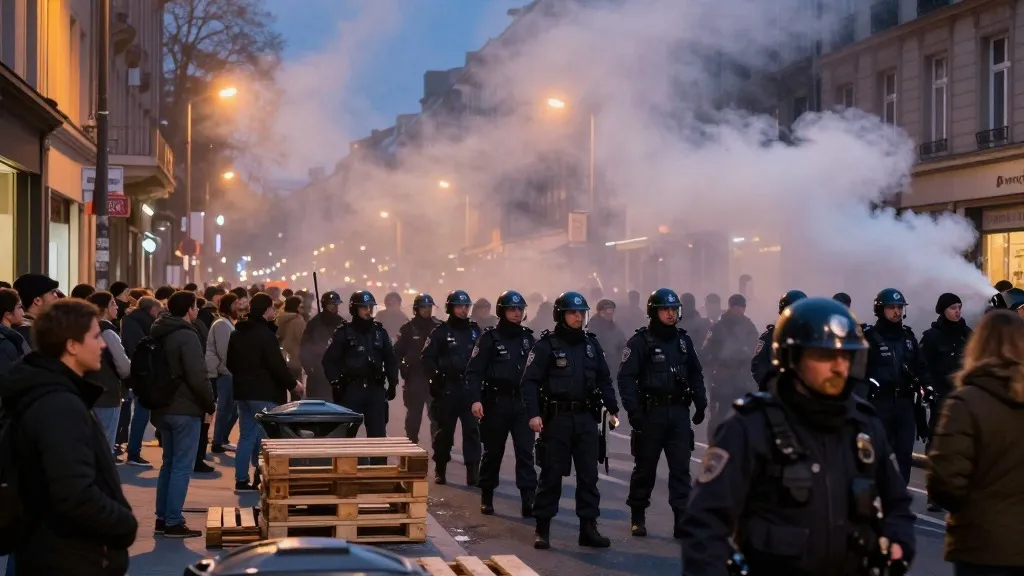
France Deploys 70,000 Officers to Contain Growing Civil Unrest
A massive police presence has been established across France to manage a new wave of protests driven by student and worker grievances.
By Leila Santos ·
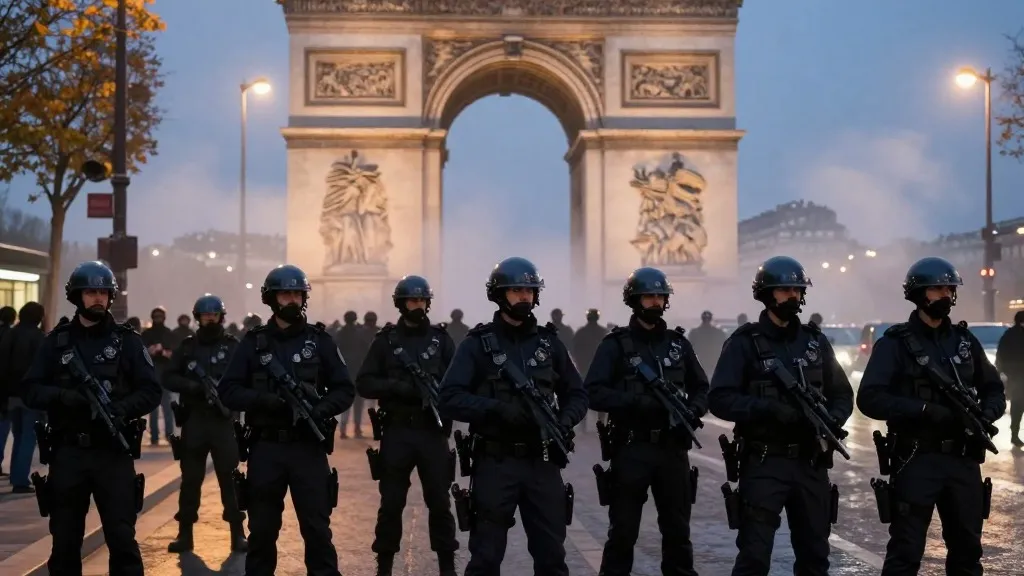
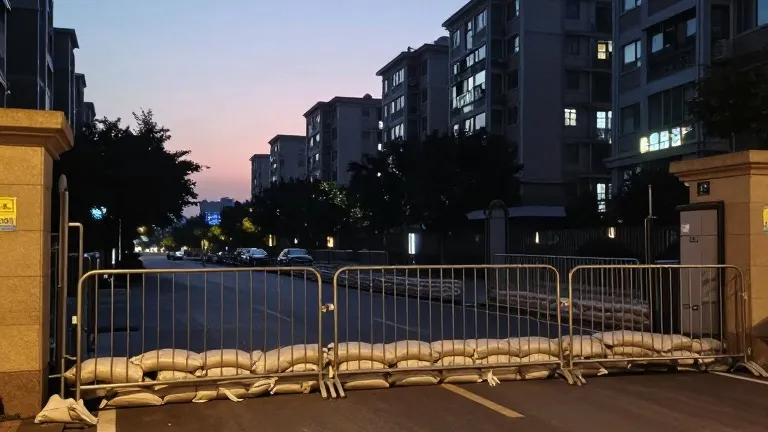
Up to 70,000 police officers are being deployed across France today to manage a new wave of demonstrations that erupted just one week after significant urban unrest. This heavy mobilization, which includes helicopters, armored vehicles, and water cannons, marks a significant escalation in state response to the ongoing crisis. Interior Minister Laurent Nuñez confirmed the scale of the operation, noting that the deployment is designed to protect public spaces and commerce from potential disruption.
The focus of today’s marches remains on the cost of living and the state of public education. While the movement initially began over staff shortages at a single high school southeast of the capital, it has expanded into a broader coalition of students and workers. The student groups have formalized their demands into a ten-point plan. This includes securing 250,000 additional places in higher education and ending the Parcoursup admissions selection system. They also seek a monthly student grant increase of 200 euros and a freeze on rents in public student housing, while unions push for higher wages and better pensions to support household finances.
Authorities have made tactical adjustments to manage the crowds in Paris. The planned route from Bastille to Nation was replaced on Friday with a shorter path confined to the city’s southeastern edge, specifically between Porte d'Italie and Porte de Vincennes. This change follows last week’s massive turnout of over half a million people. Local authorities have also issued mixed signals regarding the right to protest. While marches are proceeding in Paris and Marseille, officials have banned demonstrations in Lyon, Nice, and Montpellier. Tear gas was reportedly used in Lyon on Saturday morning, a move unions have criticized as a constitutional violation of free expression.
The economic and cultural impact of the unrest is becoming increasingly visible. Major institutions such as the Louvre, Musée d’Orsay, and the Grand Palais are closed for the day to protect their assets and staff. Art Basel, which opened to the public yesterday, has canceled its weekend programming due to the perceived risk. Retailers are taking defensive measures as well. Approximately 3,000 shops were damaged or looted last weekend. Akram Ahmed, a 34-year-old contractor, was seen boarding up an optician’s shop near Saint-Lazare station. He stated that the owner felt the action was necessary for his safety.
The situation presents a significant challenge for President Emmanuel Macron, whose popularity has hit a historic low in the final stretch of his term. He has justified the strict measures as essential for protecting city centers and public infrastructure. The political stakes are high with a presidential election scheduled for next spring. In Orléans, thousands gathered for an anti-far-right rally coinciding with a congress for Marine Le Pen’s nationalist party. Victoria Ambrosini, an art critic and teacher at Saint-Denis University, noted that wealth is now concentrated in the hands of very few people, adding that the current situation is no longer sustainable.
Investigations into the physical damage from last week are also underway. Two suspects were placed under formal investigation and held pending trial regarding the fire that nearly destroyed the 19th-century city hall in Limoges. The probe includes charges of attempted murder against a public official. Meanwhile, Paris police prefect Patrice Faure has urged shopkeepers to hire security guards, although he later clarified that the primary responsibility for protecting businesses lies with the government.
Source: CBC News