Israelis vote in tight race as war legacy shapes the ballot
Polling indicates a close contest between Benjamin Netanyahu and Gadi Eisenkot, with the 2023 Hamas attack and military service rules dominating the campaign.
By Kenji Hassan ·
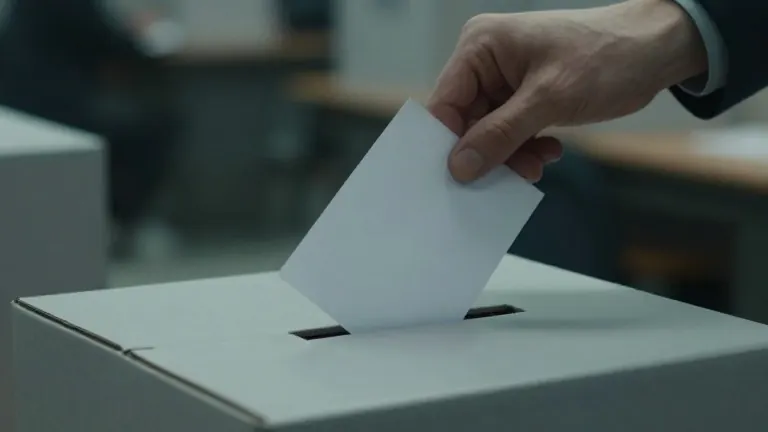
Israelis went to the polls on Tuesday to elect a new government in a contest widely viewed as a referendum on Prime Minister Benjamin Netanyahu. Polling data indicates a narrow margin between Netanyahu and his primary challenger, former military chief of staff Gadi Eisenkot. The voting process involves selecting political parties rather than individual candidates, as no single party has ever secured a majority in the Knesset. Consequently, the formation of a governing coalition will determine the next prime minister, a process that may take weeks or months to resolve.
The election takes place against the backdrop of the October 7, 2023, Hamas-led attack, which resulted in the deaths of 1,200 people, mostly civilians, and the abduction of 251 others. This event, described as the deadliest day in Israel's history, has remained a central theme in the campaigns. Voters have focused heavily on security failures and the societal burden of the ensuing wars in Gaza and beyond. According to the Israel Democracy Institute, a Jerusalem-based think tank, approximately 68 percent of Jewish Israelis identify their attitudes toward the October 7 attacks as a central factor in their voting choice.
Netanyahu, 77, leads the Likud party, Israel's largest political entity. He has resisted calls for a commission of inquiry regarding the security breakdown on October 7 and maintains a hawkish stance on regional fronts, including Iran. His opponents have targeted his role in the security failures and his efforts to exempt ultra-Orthodox Jews from military service. This policy has drawn criticism during a period of protracted conflict, with many voters viewing the exemption as inequitable.
Eisenkot, 66, leads the centrist Yashar party, the largest opposition group. He entered politics in 2022 after a four-decade military career. Eisenkot lost his son and two nephews in combat in Gaza and has pledged to end the de facto exemptions for ultra-Orthodox men engaged in religious studies. The Israel Democracy Institute reports that about a quarter of Jewish voters ranked mandatory military service as a key factor in their decision. This issue reflects a religious divide within the electorate over the balance of civic duty and religious observance.
Other major figures in the race include Naftali Bennett, a 54-year-old former prime minister who has formed a joint ticket with Yair Lapid. Itamar Ben-Gvir, 50, serves as national security minister and leads a far-right ultranationalist party within the current coalition. Yair Golan, 64, a former general, leads the Democrats, a center-left party that supports the establishment of a Palestinian state. Over three dozen parties are competing, with roughly a dozen expected to win seats in the Knesset.
While the plight of Palestinians has garnered international attention, the Israeli campaign has focused less on the broader conflict. Most Israelis oppose the creation of a Palestinian state. Netanyahu has used the slogan 'Right or Palestine' to characterize his opponents. No major candidate has advocated for a return to the peace process, though opposition figures have criticized violence by West Bank settlers. Mansour Abbas, who leads the Ra'am party, has centered his campaign on crime in Arab communities rather than the larger conflict. Abbas has named a mainstream Jewish politician as his deputy to position himself as a potential coalition partner.
The election carries international implications, particularly regarding the alliance between the United States and Israel. The two countries launched a war with Iran together on February 28, and regional talks continue as many in Iran fear a return to all-out war. President Donald Trump endorsed Netanyahu last week, a move that provided a boost to the incumbent. The United States midterm election is scheduled for next week, with Israeli wartime conduct and its treatment of Palestinians featuring prominently in American campaign discussions.
Israel's global standing has declined due to the war in Gaza. An international arrest warrant exists against Netanyahu, and rights groups along with United Nations officials have accused the country of committing genocide, an allegation Israel vehemently denies. The next government will face the challenge of repairing these international relationships and addressing the domestic strain caused by the ongoing conflict.
Source: Philadelphia Daily News