Knesset Election 2026: Eisenkot leads polls as Netanyahu faces first post-war test
With polls closed, early data suggests the opposition bloc holds a four-seat edge, leaving the path to a stable coalition unclear.
By Priya Singh ·
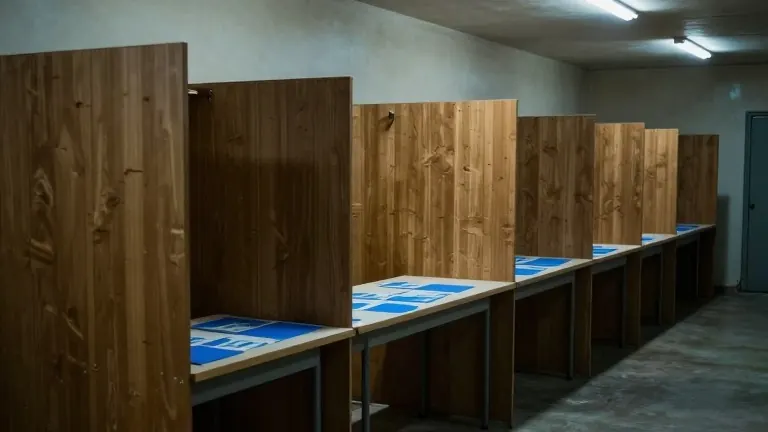
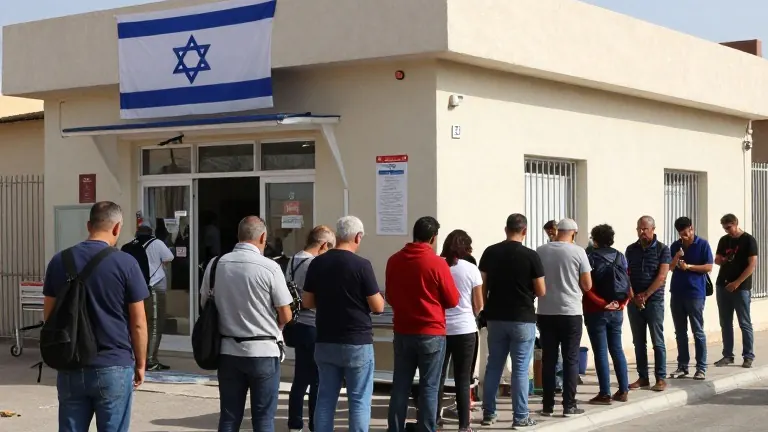
Voters in Israel cast their ballots on Tuesday in the first parliamentary election held since the Hamas attack on October 7, 2023. The vote closes at 10:00 p.m. local time, marking the end of a campaign defined by questions over national security and domestic governance. The outcome will determine the direction of the country three years after the conflict that reshaped regional dynamics.
Exit polls and early projections indicate a tight race between Prime Minister Benjamin Netanyahu and Gadi Eisenkot, the former military chief of staff leading the opposition bloc. According to data compiled by Haaretz from Israeli news channels, the average prediction gives Eisenkot’s group 54 seats in the 120-seat Knesset. Netanyahu’s coalition is projected to win 50 seats. A majority requires 61 seats, meaning neither side has secured the threshold for immediate control.
Approximately 7.3 million Israelis were eligible to vote, including 1.2 million Palestinian citizens of the state. Citizens living abroad could not participate in this election because Israel lacks a general absentee ballot system, requiring physical presence at polling stations. Only diplomats and state emissaries voted early on October 20 at Israeli missions abroad.
The electoral system uses proportional representation, where parties receive seats based on their share of the national vote. A party must secure at least 3.25 percent of the total vote to enter the Knesset. About a dozen parties are expected to clear this threshold, which will complicate the process of forming a governing coalition. The final vote tally is scheduled for release by Friday, with official results published on November 4.
Once the count is complete, President Isaac Herzog will consult with party leaders to designate a candidate for prime minister. That candidate has 42 days to form a government. Historically, no single party has won an outright majority in Israel, necessitating coalition negotiations that often take weeks. If a government is not formed, Netanyahu’s current cabinet will remain in place as a caretaker administration until new elections are called or an alternative arrangement is reached.
Source: Al Jazeera