Water Costs in Taiz Soar 75% as Houthi Siege Strangles Yemen's Third-Largest City
Rising prices and fuel shortages have forced over one million residents to stretch limited supplies, creating a cascading crisis in food and health services.
By Kenji Hassan ·
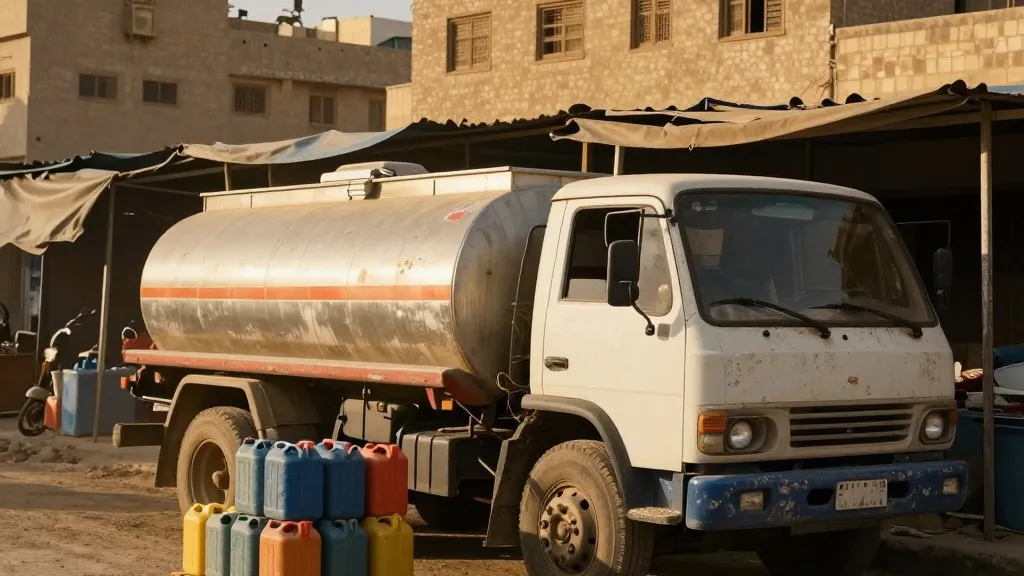
Drinking water in Taiz has become a premium commodity, with bottled supplies costing up to 75% more than they did just weeks ago. This sharp price increase reflects a broader economic shock in the Yemeni city, where aid agencies report that basic needs for more than one million residents are barely being met. The surge in costs is driven by a tightening siege from Iran-backed Houthi rebels, who have escalated their conflict with government forces in the country's third-largest city.
The financial strain on households is immediate and severe. Families are forced to stretch every drop of water to survive. Hadil al-Shahid, a local salon owner, noted that her family once used about 10 liters of bottled water daily for drinking and cooking. That same amount now lasts approximately four days. To cut costs, her household has abandoned daily habits like coffee and tea. Many neighbors are now purchasing water on credit, a sign that cash flow for essential goods is drying up.
Fuel scarcity is a primary driver of the market disruption. Desalination plants and the local water utility are operating well below capacity due to a lack of fuel. Truckers who still navigate the dangerous routes into the city have in some cases tripled their rates. This supply chain bottleneck has rippled into other sectors, with grocery shortages pushing food prices higher and making it difficult to keep hospitals and sanitation services running. The result is a compounded public health risk as sanitation costs rise and services degrade.
Contextual data shows the economic pressure is linked to a rapid influx of displaced people. Taiz province has absorbed roughly half of those displaced elsewhere in Yemen since August, an estimated 124,000 individuals. This sudden population growth has strained resources further. Cooking gas prices have more than quadrupled, forcing some families to burn wood, charcoal, or cardboard for heat. Flour and rice, staples of the local diet, now cost about 50% more than they did in the summer.
Local businesses are feeling the pinch as consumer spending shifts toward survival needs. Al-Shahid had to close her hair salon because customers are prioritizing food and water over services. Her children now eat a simple diet of rice, bread, and cheese. Ahmed Abdel Gaber, a construction material hauler, described his income as unstable. He and his nine relatives shelter in the ruins of a building and rely heavily on donations for food. The market dynamics suggest a shift from a service-based economy to one sustained by aid and barter.
Outlook: The economic siege is intertwined with military strategy. The Houthis control about 80% of the surrounding countryside and several neighborhoods inside the city, according to three anonymous officials. Analysts note that controlling Taiz is vital for any Houthi push south toward Aden and Lahj. As the conflict drags on, the cost of living for civilians continues to climb. With fighting occurring just five kilometers from residential areas, the risk of further disruption to supply lines remains high, potentially locking in higher prices for essential goods in the near term.
Source: NPR
More Business · World news · Bad Business · Report a business · Got a Story?