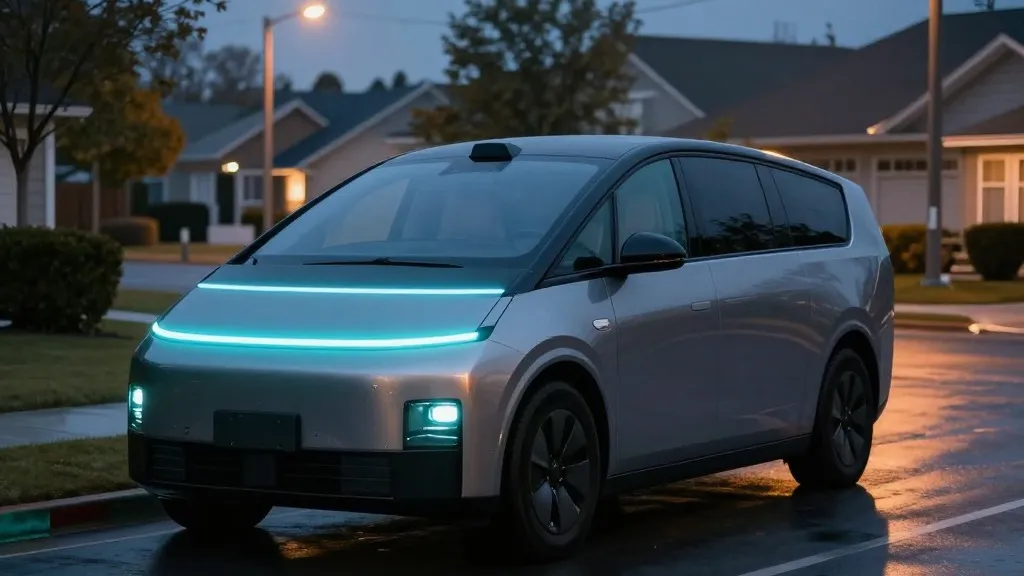
Cybercab Rush: Tesla Targets Year-End Handoffs for Autonomous Two-Seater
Tesla executives confirmed that customer deliveries for the steering-wheel-free Cybercab are scheduled to begin before the end of 2026, prioritizing fleet expansion over private ownership.
By Kenji Hassan ·
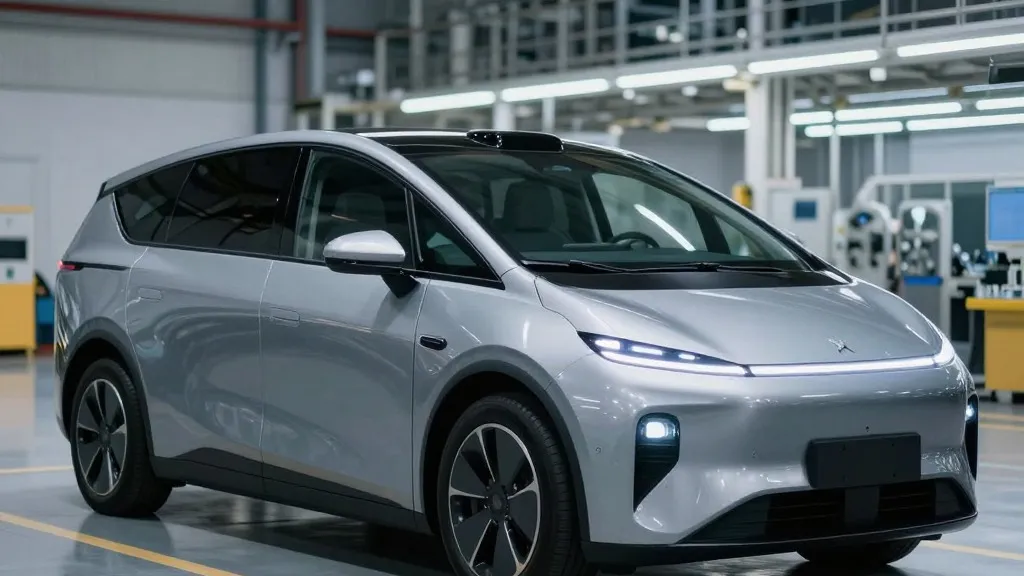
Tesla has officially set a deadline for the first customer handoffs of its Cybercab, confirming that the fully autonomous, two-seater vehicle will reach buyers before the close of 2026. This announcement puts a concrete timeline on the rollout of the robotaxi, ending months of speculation regarding when the purpose-built vehicle would move from internal testing to public availability.
During the company’s third-quarter 2026 earnings call held on October 21, Vice President of Engineering Lars Moravy provided the definitive update. He stated that the company is aiming to get Cybercabs into the hands of customers by the end of this year. Moravy clarified that while production is currently active on the line at Gigafactory Texas, every unit coming off the assembly line is presently being assigned to Tesla’s internal Robotaxi fleet rather than to individual buyers.
The strategy appears designed to allow Tesla to refine its operations before scaling private sales. Moravy explained that as the company’s operations expand, the focus will shift toward delivering fully designed autonomous vehicles directly to customers, with the Cybercab serving as the inaugural model in this category. He noted that initial deliveries to the public will be modest in volume, a deliberate choice to allow the company to gain practical experience in delivery logistics, ownership models, and the complex management of autonomous vehicles operating outside of Tesla’s direct control.
CEO Elon Musk reinforced the notion that private ownership will remain a secondary goal for the Cybercab. He characterized the vehicle primarily as a 'transport-as-a-service' offering, distinguishing it from traditional personal vehicles like the Model 3, Model Y, or the upcoming Roadster. 'The vast majority of the Cybercab stuff will be Tesla-owned and transport-as-a-service,' Musk stated, signaling that the robotaxi will function largely as a fleet asset rather than a consumer product for the average driver.
The Cybercab itself is a distinct departure from Tesla’s previous lineup. It is a two-seater configuration that lacks a steering wheel and pedals, relying entirely on the company’s Full Self-Driving suite for operation. Production of the vehicle began in February 2026. By early September, the company had already deployed early units into its Robotaxi service, marking the public launch of ridesharing capabilities for the model.
Previous indications from Tesla suggested that the retail price for the Cybercab would be approximately $30,000. This pricing strategy aligns with the vehicle’s role as an efficient, low-cost mode of autonomous transport. The absence of traditional driving controls underscores the vehicle's dependency on the company's advanced AI and sensor systems to navigate traffic safely without human intervention.
Looking ahead, the broader integration of autonomous technology into Tesla’s consumer lineup is also on a defined schedule. Ashok Elluswamy, Tesla’s Head of AI, indicated during the same earnings call that unsupervised Full Self-Driving capabilities are expected to ship to consumer cars during the second quarter of 2027. This timeline suggests that while the Cybercab leads the autonomous charge, other models will follow with similar capabilities within the next year.
Despite the clear timeline for Cybercab deliveries, several hurdles remain. Early buyers or fleet operators may find that the autonomous operation of their vehicles is geographically restricted. Such limitations are often a result of lagging regulatory agencies that need time to adjust rules and standards for driverless technology. As Tesla moves toward the end-of-year target, the balance between rapid fleet expansion and regulatory compliance will be a critical factor in the success of the Cybercab’s launch.
Source: Teslarati · original report published