Tesla Deploys Optimus Academy to Solve Humanoid Training Data Gap
The automaker is using thousands of robots in a dedicated facility to generate the behavioral data required for commercial deployment by late 2027.
By Kenji Hassan ·
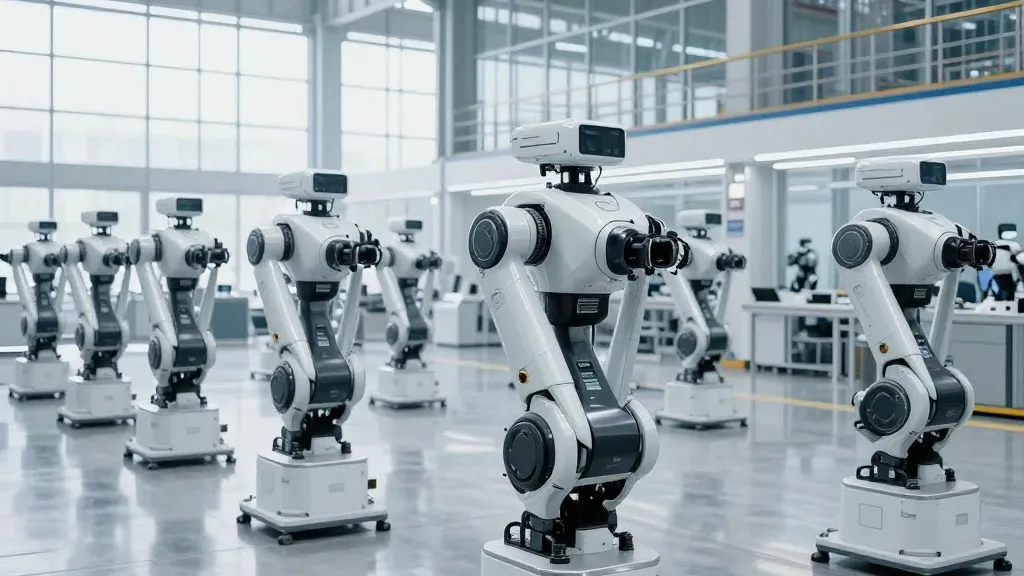
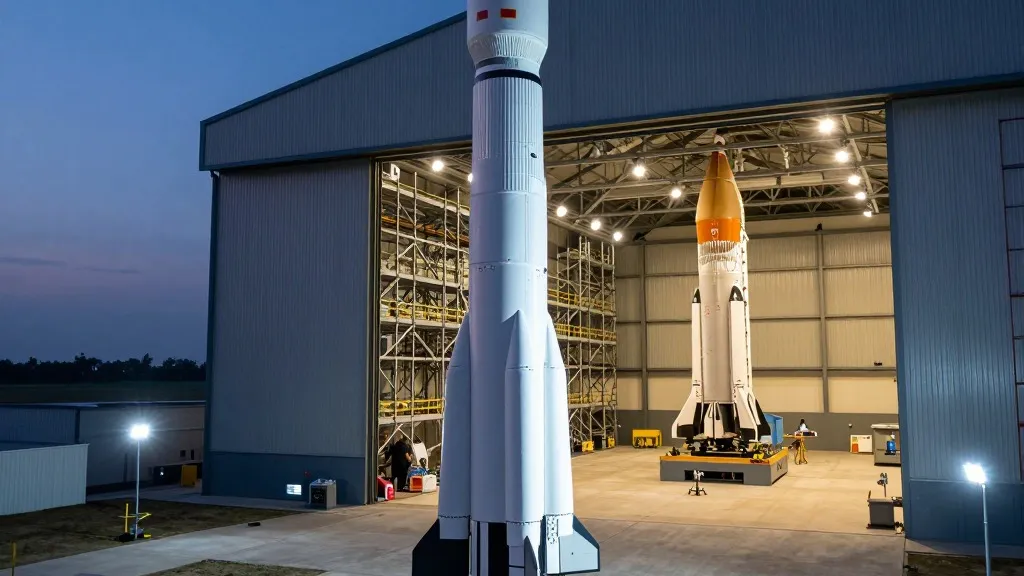
Tesla has established a dedicated facility known as the Optimus Academy to accelerate the development of its humanoid robot. The company is utilizing a high-volume production line inside its Fremont factory to manufacture units that meet specific commercial standards. In its third quarter shareholder letter, the automaker confirmed that the bots coming off this specific line are the first to qualify as production-quality products. The company stated that it has proven the current manufacturing process is suitable for a commercial product, marking a significant shift from earlier prototype stages.
The strategic importance of the Academy lies in how it addresses a critical data bottleneck. Unlike Tesla’s vehicles, which rely on a vast fleet of millions of cars to send real-world driving data back to the AI team, the Optimus program lacks a comparable existing fleet. Elon Musk acknowledged this disparity during Wednesday’s earnings call, noting that the company does not have a wide fleet of robots to gather initial training data from. The Academy serves as the solution, where between 10,000 and 20,000 robots will practice a diverse range of tasks. The data generated from these practices will be fed directly into the next iteration of the robot’s artificial intelligence, ensuring every unit produced at Fremont contributes to the collective learning model.
Production capacity is being scaled rapidly to support this iterative process. The production line occupies space that previously built the Model S and Model X until the spring of 2026. Tesla cleared the old vehicle assembly line in 46 days to make room for robot production sized for one million units annually. Musk indicated that most of the necessary equipment is already installed in Fremont. As the line ramps up, output is expected to climb toward roughly 20,000 robots per week. He described the growth trajectory as a classic S curve, noting that the initial slope is shallow but will steepen as the system matures.
The company aims to complete the refinement of the robot’s AI, electromechanical design, and reliability by the end of 2027. Once these engineering tasks are finished, Tesla plans to begin delivering Optimus units to outside companies. The target market includes roles involving dangerous, repetitive, and around-the-clock labor. Hardware improvements are also on the horizon, with Tesla planning to integrate its AI5 chip into the robots next year. Musk expects a new video demonstrating the robot completing tasks driven by AI rather than preprogrammed motions to be released within one or two months.
The supply chain is actively preparing for mass production. In September, Tesla certified Tuopu, Joyson, and Sanhua as partners for Optimus components. A much larger facility is currently under construction at Giga Texas, with recent drone footage showing the steel frame nearing completion. Musk has set a long-term target for that plant at 10 million robots per year. Executives noted that production costs are trending toward the expected manufacturing cost of the Cybercab, suggesting the robot is being engineered for high volume from the start. The hands remain the most challenging component of the design, and they are currently the primary focus of engineering efforts.
Source: Teslarati · original report published