Trump's $5,000 dividend promise fades as Democrats sweep Congress
With Republicans losing control of both chambers, the President's conditional cash pledge now faces a hostile Congress and bipartisan skepticism over the trillion-dollar cost.
By Kenji Hassan ·
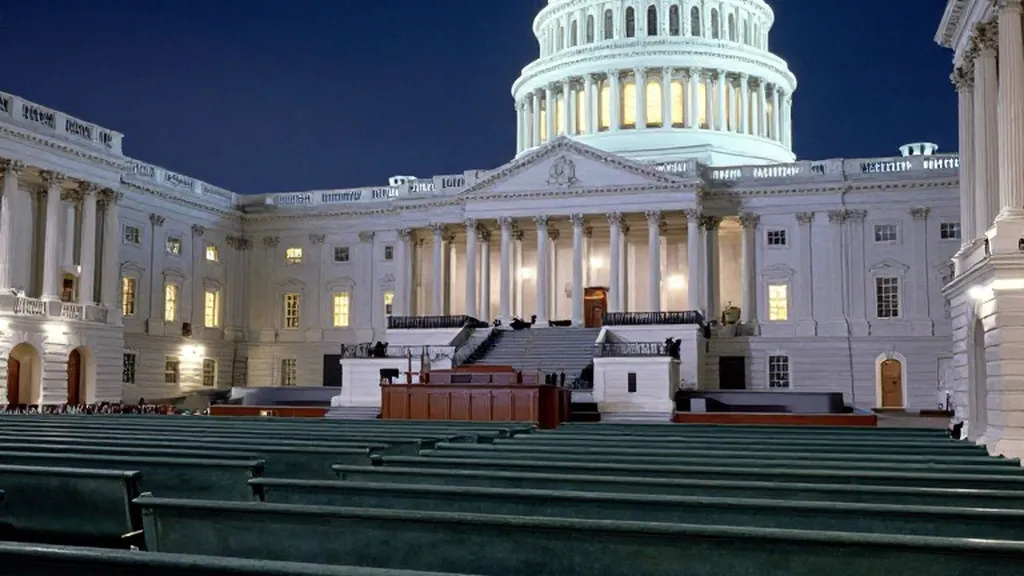
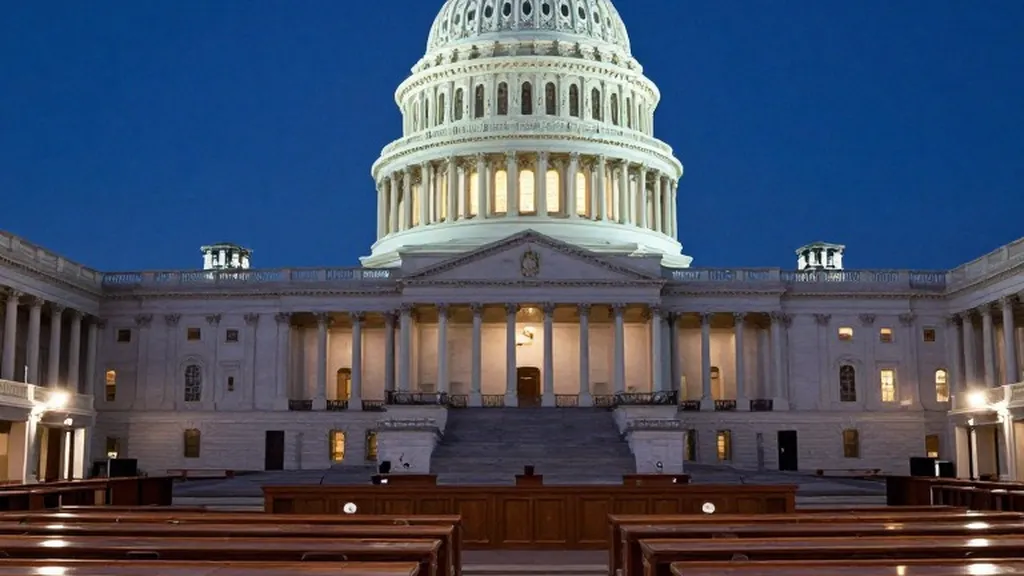
President Donald Trump's pledge to send $5,000 to every American adult has effectively evaporated following Tuesday's midterm elections. Democrats secured a resounding victory, taking control of both the House of Representatives and the Senate, which was the specific condition attached to the payment. The loss renders the 'Trump Dividend' a moot point for most voters, as the President promised the checks would only be issued if Republicans retained control of Capitol Hill.
The promise was made at the Republican Midterm Convention in Dallas last week. Trump told the crowd that if his party won both chambers, voters would receive a $5,000 dividend. He framed the payment as a reward for the country's economic success. However, the political landscape has shifted dramatically. Democrats won at least 227 House seats and 54 Senate seats, according to Associated Press reporting, leaving Republicans with a minority in both houses and no power to enact the plan without Democratic cooperation.
The cost of the dividend was a major point of contention even before the election. The U.S. Census Bureau estimates there are about 245 million U.S. citizen adults. Giving each of them a $5,000 check would cost approximately $1.2 trillion. This massive expenditure would add to the country's nearly $1.8 trillion annual budget deficit. Economists and fiscal experts warned that such a move could exacerbate inflation, a concern that weighed heavily on voters during the campaign.
Bipartisan criticism emerged quickly after the announcement. Some Republicans questioned the price tag and the concept of government handouts. Texas Congressman Chip Roy, who is facing a tough reelection battle, wrote on social media that dependency is evil and soul-sucking in all its forms. He and other conservative critics argued that the payment did not align with the limited-government principles many GOP voters support.
House Speaker Mike Johnson, who will not seek reelection as Republican leader, acknowledged the logistical hurdles. He stated that congressional approval is needed for the payment. Johnson said he would assume the President needs Congress to act and called it a creative idea. However, with Democrats now holding the majority in both chambers, the path for Johnson to get the proposal through has become significantly steeper. The new Democratic leadership, including House Leader Hakeem Jeffries, is focused on a 100-day agenda that includes lowering costs for gas and groceries.
PolitiFact analyzed the feasibility of the payment and found that the biggest payout is far from certain. The fact-checkers noted that the administration announced no formal plan for how Americans would receive the money. They also pointed out that while Trump cited tariff revenues as a funding source, lawmakers did not include a separate tariff dividend in the One Big Beautiful Bill Act tax and spending bill. The analysis highlighted that the payment would likely require a 60-vote supermajority in the Senate to overcome potential procedural hurdles, a threshold now held by the Democrats.
The timing of the promise raised questions about whether it was an attempt to buy votes. Election law experts noted that such promises are generally protected under the First Amendment as campaign rhetoric. Rick Hasen, a professor at the UCLA School of Law, stated that Trump would have a strong defense if challenged, comparing it to other politicians promising tax cuts or specific policies. Nevertheless, the strategic move was seen by many analysts as a last-ditch effort to energize the base and justify the party's record on economic issues.
The Democratic victory was driven by voter frustration over the cost of living and the war in Iran. The AP Voter Poll indicated that most voters are exhausted by Trump's presence in politics and dissatisfied with his handling of the economy. Inflation remained a central issue, with many voters reporting severe financial hardship due to rising prices for groceries and gas. The new Democratic majority now faces the challenge of delivering on promises to lower these costs while confronting the President's final years in office.
Speaker Johnson's decision to step aside from leadership adds another layer of uncertainty for the remaining Republican members. He will retain his seat from Louisiana but will no longer control the House agenda. The new Democratic leadership has already signaled a robust oversight agenda, with plans to investigate the administration and potentially impeach Cabinet members. The 'Trump Dividend' is now a symbol of the gap between the President's promises and the political reality on the ground.
As the new Congress prepares to convene in January, the focus will shift to immediate legislative priorities. Democrats have vowed to reverse cuts to healthcare programs and tackle high energy prices. The $5,000 dividend, once a centerpiece of the Republican midterm strategy, is unlikely to be a priority for the new majority. The promise has served its purpose as a campaign slogan, but its implementation now requires a level of bipartisan cooperation that was not evident in the post-election statements from either party.
The election results mark a significant shift in power in Washington. With Democrats holding the majority in both chambers, they have the tools to check the President's executive actions and control the legislative agenda. The 'Trump Dividend' stands as a testament to the high-stakes gamble taken by the GOP leadership. As the lame-duck session begins, the attention will turn to whether the new Democratic majority can quickly enact the changes voters demanded, or if the divided government will lead to gridlock in the final years of Trump's term.