Midterms: Democrats face costly fight to reclaim Senate and governorships
With polls open across the nation, voters in key states decide control of Congress and thirty-six governorships in an election defined by economic strain and a war with Iran.
By Leila Santos ·
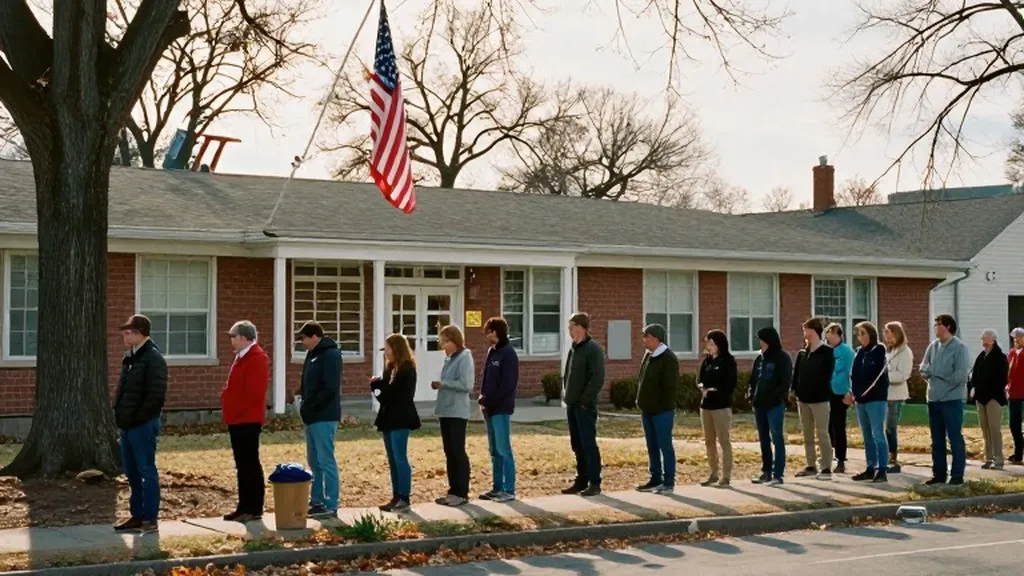
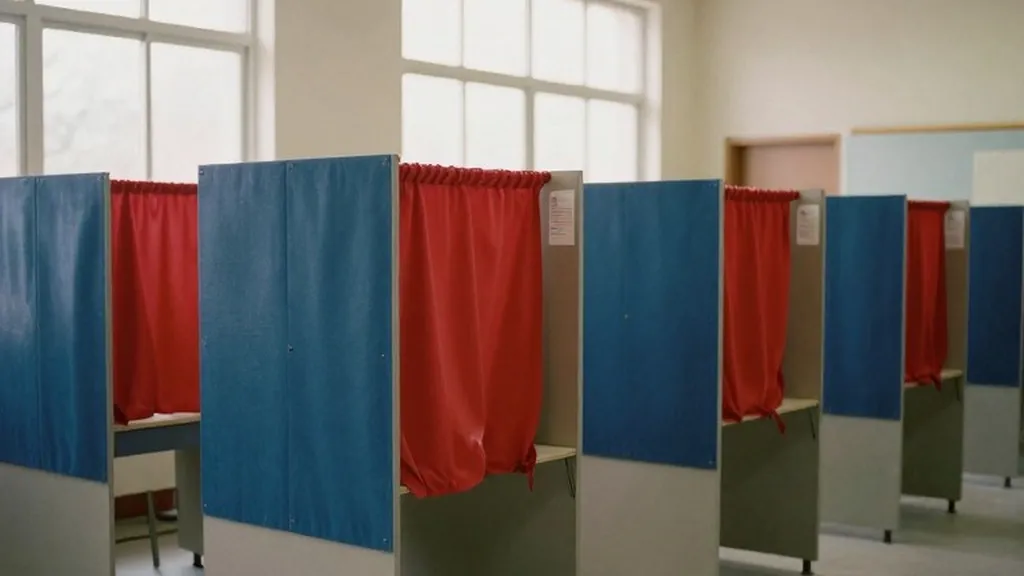
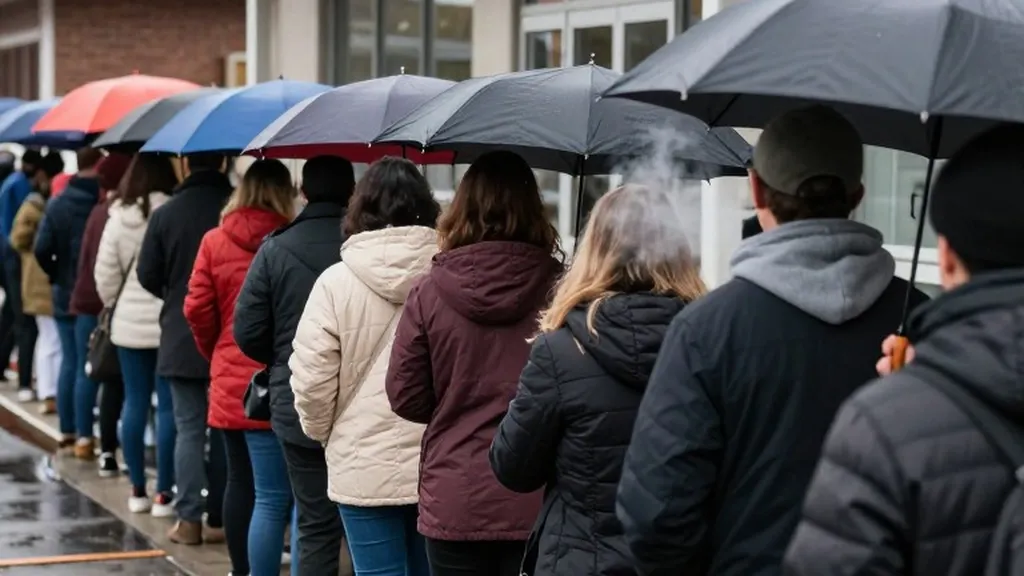
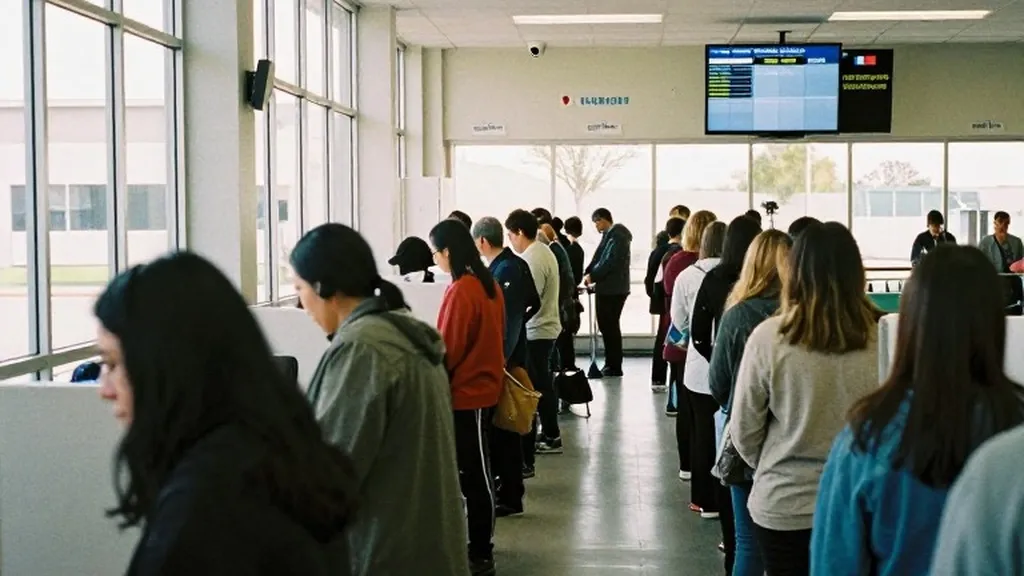
Voters across the United States are casting ballots on Tuesday, November 3, 2026, in a midterm election that will determine which party controls Congress for the final two years of President Donald Trump's second term. All 435 seats in the U.S. House and 35 of 100 Senate seats are on the ballot, alongside thirty-six governorships. The Associated Press describes the day as a referendum on the administration, with many voters struggling with high prices and expressing anger over an unpopular war with Iran.
The stakes in the Senate are particularly high for Democrats, who need a net gain of four seats to secure a majority. Republicans currently hold 53 seats, while Democrats hold 45, plus two independents who caucus with the Democratic Party. Republicans can afford to lose only two seats. Eleven senators, four Democrats and seven Republicans, are not running again. The winners of these races will begin six-year terms on January 3, 2027, setting the tone for legislative oversight and investigations in the coming years.
In the governor's races, Democrats are attempting to break a long-standing Republican majority that has persisted since 2010. Republicans currently hold 26 governor's offices, while Democrats hold 24. Of the thirty-six races on the ballot, each party holds 18 seats. Nineteen of these races have no incumbent on the ballot, a factor that increases the potential for change. Democrats would need a net gain of two governorships to achieve a nationwide majority, a goal that could bolster potential 2028 candidates such as Gavin Newsom and JB Pritzker.
The Associated Press reports that more than 57 million people had already voted as of Monday, surpassing early voting numbers from four years ago in many closely watched states. This surge in participation comes as Republicans brace for the possibility of losing the House, a chamber where Democrats need a net gain of three districts to take control. Republicans hold 218 seats, and Democrats hold 214, with one independent and vacancies remaining. Ballotpedia counts 46 battleground districts, highlighting the tight competition that will define the outcome of the House race.
Economic concerns are driving voter sentiment, with AP-NORC polling showing that 35 percent of U.S. adults approve of Trump's job performance and only 25 percent approve of his handling of the economy. About seven in ten voters say the country is heading in the wrong direction. In Raleigh, North Carolina, a librarian named James Moore told the Associated Press that he is paying more taxes and more for healthcare, reflecting the widespread frustration with the cost of living that is shaping the national conversation.
The race for control of the Senate includes thirteen battleground states, each with distinct dynamics. In Georgia, Democrat Jon Ossoff faces Republican Representative Mike Collins in a state that Trump won by 2.2 points in 2024. In Maine, Republican Senator Susan Collins is fighting to hold her seat against Democrat Troy Jackson, with the Associated Press noting that economic strain and tariffs have made the state competitive. In Ohio, former Senator Sherrod Brown challenges incumbent Jon Husted in a special election for the rest of the term.
Money has played a significant role in shaping the campaign landscape, with the 2026 elections likely to be the most expensive in history. Republican committees outraised and outspent Democratic committees at the national level, aided by Trump-affiliated groups and Elon Musk. However, at the candidate level, Democrats outraised their opponents. An analysis by the Associated Press of AdImpact data shows that 88.1 percent of Republican general election TV ad spending went to states and districts that Trump won in 2024, including more than $850 million in areas where he won by ten points or more.
New congressional maps in six states, including California, Florida, Texas, and North Carolina, have altered the playing field after mid-decade redistricting. Ohio is also using a new map. These changes have introduced uncertainty, as some new districts may not vote as drawn, complicating the Republican strategy to beat the typical midterm pattern where a president's party loses seats. The redistricting efforts were intended to solidify Republican control, but the new lines are now being tested by voters in a year of high national attention.
In the governor's races, Democrats are defending five offices in states that Trump won in 2024, including Arizona, Kansas, Michigan, Pennsylvania, and Wisconsin. Republicans are defending two offices in states that Harris won, New Hampshire and Vermont. In Georgia, Republican healthcare executive Rick Jackson faces former Atlanta Mayor Keisha Lance Bottoms to succeed Brian Kemp. In Nevada, Republican Governor Joe Lombardo faces Democratic Attorney General Aaron Ford. These races are critical for Democrats, who hope to hold a majority of governorships for the first time in two decades.
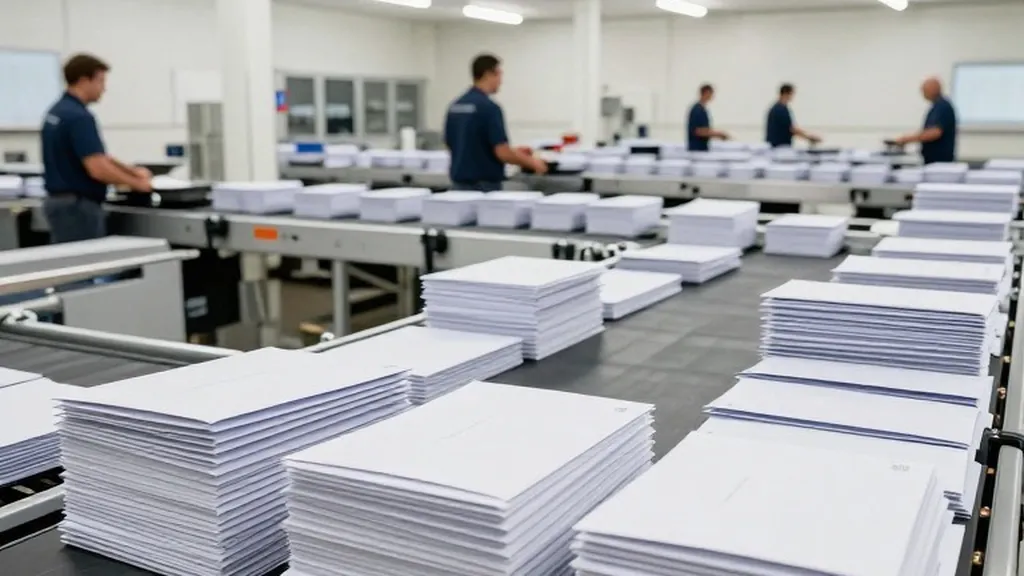
Election administration has seen several legal and logistical developments in the days leading up to the vote. A federal judge temporarily barred the Trump administration from carrying out a plan to prevent noncitizen voting, a move critics say risks disenfranchising eligible voters. The U.S. Postal Service added hours, staff, and special lines to ensure mail ballots are counted on time. Wall Street is watching the results closely, as Reuters notes that the outcome could add to investor concerns about AI spending and debt ceiling negotiations.
As polls begin to close, the focus shifts to the final hours of voting in states with later closing times, such as New York, which closes at 9 p.m. local time, and Maine and Pennsylvania, which close at 8 p.m. The Associated Press notes that if Democrats win even one chamber, investigations and possible impeachment proceedings become likely. House Democratic Leader Hakeem Jeffries, who would be the first Black speaker of the House, has outlined a 100-day agenda focused on the cost of living and oversight of the administration.