Trump's approval rating hits 37% as midterms test national confidence
Historical patterns suggest the president's party will lose House control, while doubts about election integrity loom over Tuesday's vote.
By Leila Santos ·
President Donald Trump's average approval rating has dropped to 37 percent, down from 52 percent at the start of 2025. This decline breaks below the 40 percent threshold that often predicts harsh midterm results for the ruling party.
Voters cast ballots on Tuesday in an election that tests the direction of the country and the public's trust in its institutions. Polling indicates the electoral pendulum will swing against the White House incumbent, continuing a trend seen in nearly every midterm over the past century.
Republicans face expected losses in blue states that Trump lost in his three previous White House campaigns. Surveys also point to defeats in swing states and some red states where Trump previously won by double-digit margins. This outlook explains why the president spent the final weekend of the campaign in Iowa and Kansas.
Trump made live visits to those two states while holding remote rallies in 19 other locations. The strategy aimed to limit Republican losses in the Senate. Most observers predict the GOP will lose its slim majority in the House. The Senate remains too close to call, with Vice President JD Vance holding the tie-breaking vote if the chamber splits evenly.
The president has personalized the election, often telling crowds to pretend he is on the ballot. He has styled himself as the architect of a new era and the avenger of perceived wrongs. This approach has resonated with his base, but it has frustrated a broader electorate that views the race as a referendum on his performance.
Critics highlight unmet promises, such as immediate peace in Ukraine and lower inflation. The public cites the price of gas and everyday costs as primary sources of disappointment. Democrats have united around issues like energy prices and opposition to Trump's policies, though internal divisions persist between moderate consensus builders and left-wing firebrands.
Ruy Teixeira, a political demographer and author of America's Forgotten Majority, published 11 questions in October for Democrats to answer if they regain power. His final question asks whether the party will prioritize the interests of white working-class voters over recent focuses on race, gender, and social policy.
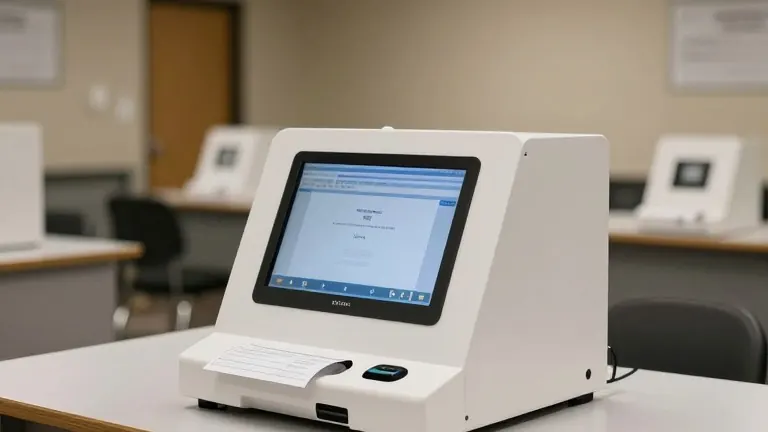
Election officials and nonpartisan experts generally defend the current administrative systems, noting upgrades since the Help America Vote Act of 2002. The law allowed states to replace punch-card ballots with touch-screen technology and paper trails. Yet, the president's recurring claims of fake polls and fake news suggest that public faith in the results may face its biggest test in years.
Source: WYPR