Oregon pioneered mail voting in 1981
A 2025 Brookings analysis found documented cases of mail voting fraud account for 0.000043% of total mail ballots cast in the United States.
By Priya Singh ·
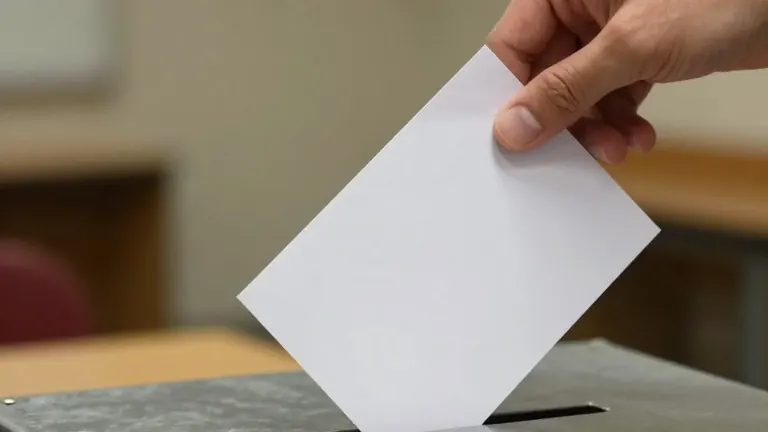
Pennsylvania pioneered the concept of voting by mail during the War of 1812.
The state passed the Military Absentee Act to ensure service members stationed away from home could participate in elections. By the time of the Civil War, other states had followed this lead. Military votes from absentee ballots helped Abraham Lincoln defeat George McClellan in the election of 1864.
Western states later expanded the practice beyond wartime necessity. In 1981, Del Riley, the clerk of Linn County, Oregon, began using mail voting for local elections. He partnered with Norma Paulus, the state’s Republican secretary of state. In 1995, then-Governor John Kitzhaber vetoed initial efforts to allow mail voting in all elections. Democrats later supported the practice after Ron Wyden won a special election for the U.S. Senate using that method in 1996.
A 1998 ballot referendum allowed for mail voting in all Oregon elections. Oregon became the first state to conduct a presidential election entirely by mail in 2000. Turnout for that election reached 79%.
Philadelphia maintained stricter rules for mail voting for decades. In 2014, the Philadelphia City Commissioners Office required most voters to supply a reason for not voting in person. Some of these restrictions were later relaxed. In 2019, the Pennsylvania General Assembly passed Act 77, which allowed all voters the right to vote by mail for any reason. Republicans in the state legislature supported the proposal more than Democrats did.
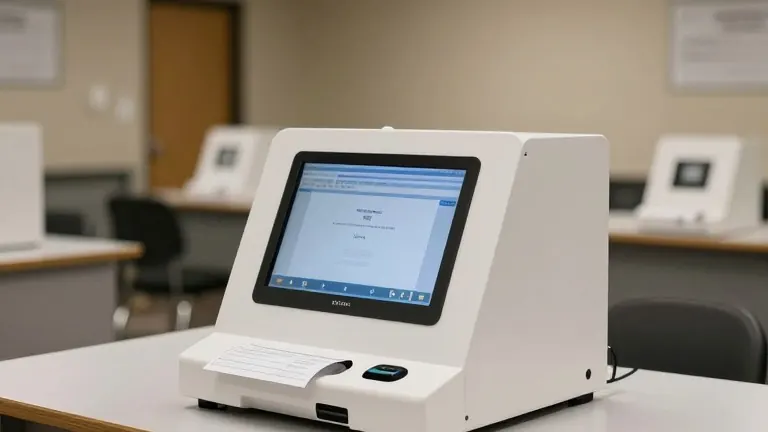
The pandemic accelerated the shift. Around half of Philadelphia’s voters chose a mail ballot during the 2020 general election. Election administrators purchased new equipment and hired additional staff to manage the volume. The Philadelphia City Commissioners established a partition between election workers and observers to reduce potential virus transmission.
Critics of the process point to a 1993 special election for the Pennsylvania Senate. Federal judge Clarence Charles Newcomer overturned the results after finding that absentee ballots swung the race. William Stinson, the Democratic nominee, had won by 461 votes out of 40,575 cast on the actual voting machines, but had lost by 564 votes. Eighteen voters told the courts they had been misled by the Stinson campaign. Some ballots were submitted by voters who were not eligible to vote by mail.
A 2025 analysis from the Brookings Institution found that documented cases of mail voting fraud are very rare. The study determined these cases account for only 0.000043% of total mail ballots cast. That equals about four cases out of every 10 million mail votes.
Phil Keisling, who oversaw Oregon’s shift to mail voting as secretary of state during the 1990s, said making it easier to vote can help increase turnout by 5%. In Pennsylvania, that would mean another 400,000 votes.
Source: Philadelphia Daily News