50 Million Early Votes Set Stage for Potential Congressional Flip
Record turnout and federal monitoring efforts accompany a midterms cycle where Democrats aim to take control of both chambers.
By Leila Santos ·
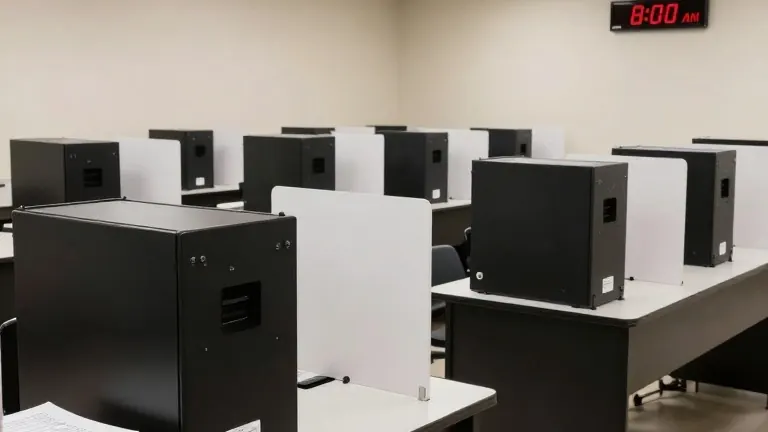
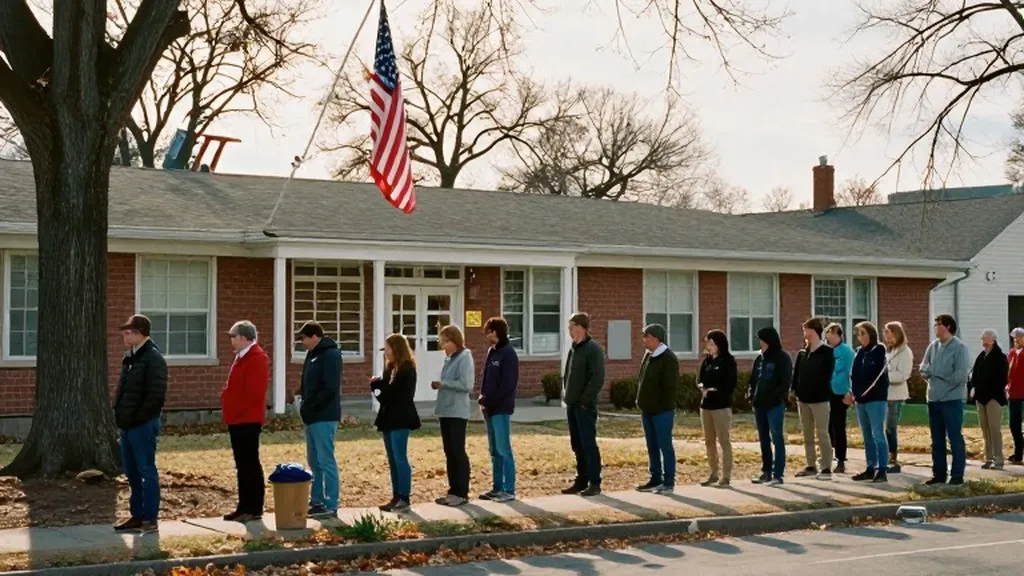
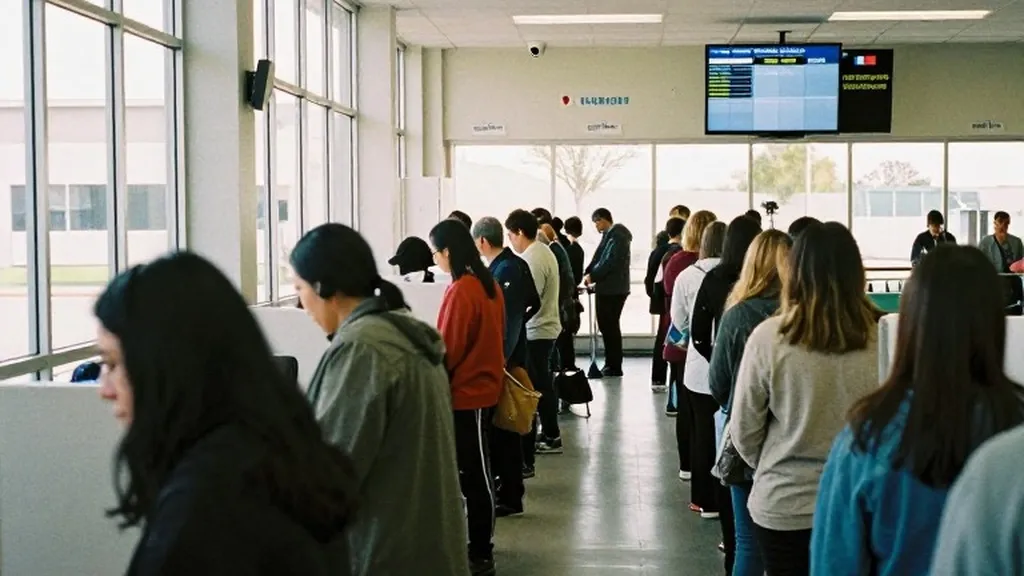
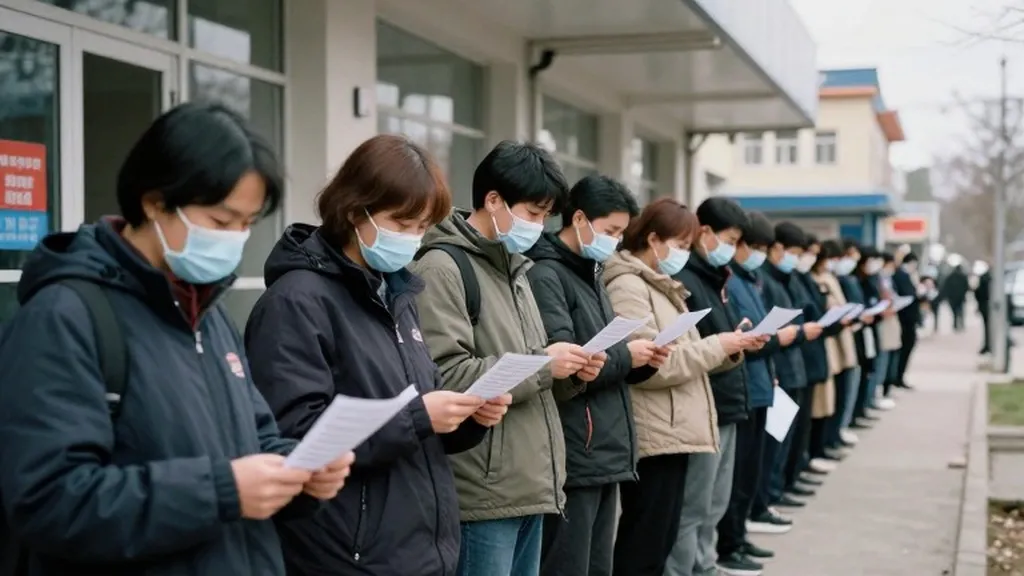
American voters have already cast more than 50 million ballots ahead of Tuesday's midterm elections. This early surge in participation provides a concrete baseline for a race that many political analysts view as a direct assessment of President Donald Trump's first two years in office.
The Democratic Party aims to secure majorities in both the House and Senate. Currently, Republicans hold a 53-47 advantage in the Senate and a 220-215 margin in the House. To take control of the Senate, Democrats need to win four seats in states that Trump carried in the 2024 election. Key targets include Ohio, Iowa, Kansas, Texas, and Alaska. Early results from North Carolina and Georgia will offer initial signals of the party's performance in these battleground states.
House races present a complex picture due to recent redistricting. Democrats are targeting more than 60 districts, including several where Trump won by double-digit margins. However, the number of truly competitive races is lower than in previous years when the House changed hands. Strategists point to Pennsylvania's 1st District and Florida's redrawn 22nd and 25th Districts as early indicators of the evening's outcome.
Polling data and voter sentiment suggest a challenging environment for Republicans. Trump's approval ratings have fallen, and voters cite concerns about the war with Iran and rising costs for gas and daily necessities. Democrats argue that their base is more motivated to vote against the president than the white working-class coalition that supported his 2016 and 2024 victories. The performance of Hispanic, Black, and younger voters will be a key determinant of whether the president's coalition remains intact.
Federal resources are playing a larger role in the election process than usual. The Trump administration is deploying approximately 1,000 Department of Justice staff to observe voting and ensure compliance with federal laws. The administration also moved to block California from counting 20,000 ballots from individuals identified as likely noncitizens, a move that failed. In Alaska, the Justice Department sought to block the certification of the Senate race if Republican candidate Dan Sullivan loses, a lawsuit a judge recently rejected.
Trump has called the situation in Alaska voter fraud at the highest level. He has encouraged voters to pretend he is on the ballot, a tactic designed to frame the midterms as a referendum on his leadership. Election watchdog groups have responded by training tens of thousands of volunteers to monitor polling places. These observers are focused on preventing potential interference from federal immigration agents or the National Guard in precincts with large Democratic voter bases.
Recent redistricting efforts have reshaped the political map. Texas led a push to redraw congressional boundaries, prompting California to follow suit. The U.S. Supreme Court's decision to weaken parts of the Voting Rights Act allowed several Southern states to alter districts that had majority or near-majority Black populations. On paper, these changes shift nine seats to Republicans, but the success of that strategy depends on whether Latino and nonwhite voters who backed Trump in 2024 repeat their behavior.
The gubernatorial races offer a path for increased diversity in state leadership. Maryland's Wes Moore is seeking reelection as the country's only current Black governor. Seven other Black major party nominees are running for governor, including Georgia's Keisha Lance Bottoms and Minnesota's Lisa Demuth, who are vying to become the first Black women in the role. In Texas, Gina Hinojosa aims to become the first Latina governor, while New Mexico's Deb Haaland seeks to become the first Native American woman to hold a top state office.
The outcome will define the direction of the Democratic Party. If progressives like Michigan's Abdul El-Sayed win, it strengthens the party's left flank. If they lose, the establishment may gain influence. A sweep of victories across urban, suburban, and rural districts would leave the party's internal identity unresolved and set the stage for a contested presidential nominating process in 2028.
Source: The Mercury