Senate Math: 13 Battlegrounds and the Path to a Democratic Majority
With polls open on Election Day, Democrats need a net gain of four seats to reclaim control of the Senate, a hurdle complicated by Republican funding advantages and new district maps in six states.
By Priya Singh ·
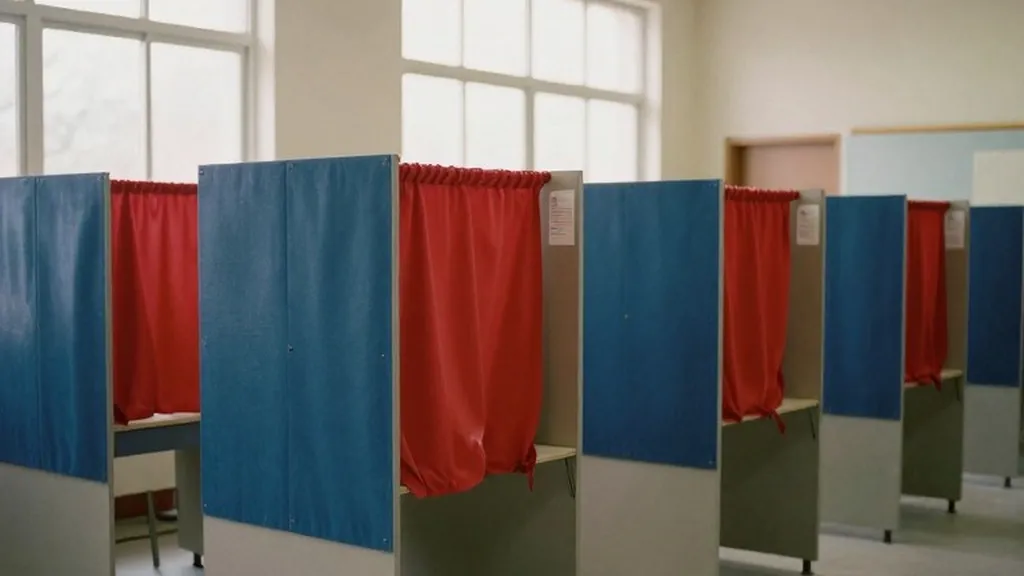
The United States Senate is at the center of this midterm election, with 35 of its 100 seats up for grabs on Tuesday, November 3, 2026. According to Ballotpedia and USA.gov, 33 of these seats are regular elections, while two are special elections for the remaining terms of Marco Rubio in Florida and JD Vance in Ohio. Republicans currently hold 53 seats, while Democrats hold 45, with two independents caucusing with the Democratic party. For Democrats to secure a majority, they must achieve a net gain of four seats. This means Republicans can lose only two seats and still maintain control of the chamber. The stakes are high because the outcome will determine who controls Congress for the final two years of President Donald Trump's second term.
The 13 Senate races rated as battlegrounds by Ballotpedia present a mixed landscape for both parties. Incumbents are running in several of these states, including Alaska, Florida, Georgia, Kansas, Maine, Nebraska, New Hampshire, North Carolina, Ohio, and Texas. Open seats exist in Iowa, Michigan, Montana, and New Hampshire, where retiring senators leave the field without a sitting officeholder. The 2024 presidential margins in these states vary significantly, with some leaning heavily toward the Republican candidate and others toward the Democratic candidate. For instance, Maine and New Hampshire voted for Kamala Harris in 2024, while states like Alaska and Montana voted for Donald Trump by wide margins. This geographic diversity means that no single issue or demographic trend can predict the outcome across all 13 races.
Ratings from major prediction outlets as of October 27 indicate that Maine is a toss-up on all four major scales, including Cook, Decision Desk, Inside Elections, and Sabato. Iowa is rated as a toss-up or leaning Republican, while Kansas is rated as a toss-up to lean Republican. In contrast, Alaska and Michigan are rated as toss-up to lean Democratic, and Georgia is rated as lean to likely Democratic. These ratings reflect the competitive nature of the races, where small shifts in voter turnout or undecided voters could determine the final result. The Associated Press and PBS NewsHour have highlighted specific matchups in these states, such as the contest between former Governor Roy Cooper and Michael Whatley in North Carolina, and the race between Senator Jon Ossoff and Representative Mike Collins in Georgia.
Financial resources play a significant role in these campaigns, with the 2026 elections expected to be the most expensive in history. Republican committees have outraised and outspent Democratic committees at the party level, aided by Trump-affiliated groups and contributions from Elon Musk. An AP analysis of AdImpact data shows that 88.1% of Republican general election TV ad spending went to states and districts that Trump won in 2024, including more than $850 million in areas where he won by 10 points or more. However, at the candidate level, Democrats have outraised their opponents, suggesting that individual campaign efforts may be more competitive than the overall party spending suggests. This financial dynamic creates a complex environment where national spending may not translate directly into local victories.
Redistricting in six states, including California, Florida, Missouri, North Carolina, Tennessee, and Texas, along with Ohio, has altered the political landscape for this election. New congressional maps have been drawn after mid-decade redistricting, which could impact the alignment of Senate and House races in these states. Republicans attempted to beat the typical midterm pattern of the president's party losing seats by leveraging these new maps, but the AP notes that new districts in Florida and elsewhere may not vote as drawn. This uncertainty adds another layer of complexity for Democrats, who must navigate both the existing Senate map and the potential spillover effects from House redistricting.
Voter sentiment is heavily influenced by the cost of living and the administration's handling of the Iran war. AP-NORC polling indicates that 35% of U.S. adults approve of Trump's job performance, while 25% approve of his handling of the economy. About 7 in 10 say the country is heading in the wrong direction, with most blaming the president for high prices. These economic concerns are central to the Democratic strategy, which focuses on affordability and oversight of the administration. James Moore, a 57-year-old librarian in Raleigh, North Carolina, told reporters that he is paying more for taxes, healthcare, and everything else, reflecting the broader sentiment among voters who feel the strain of inflation and rising costs.
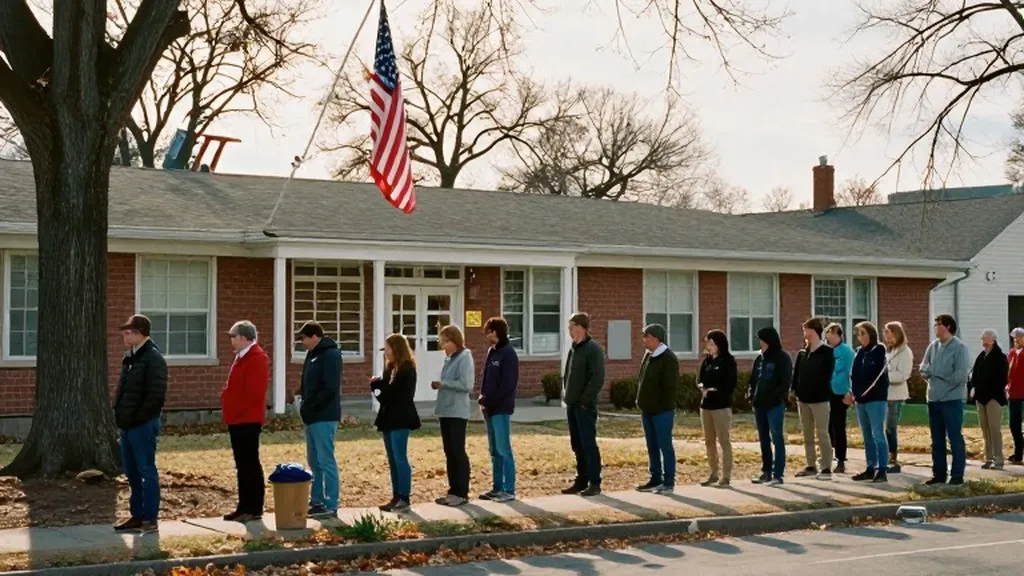
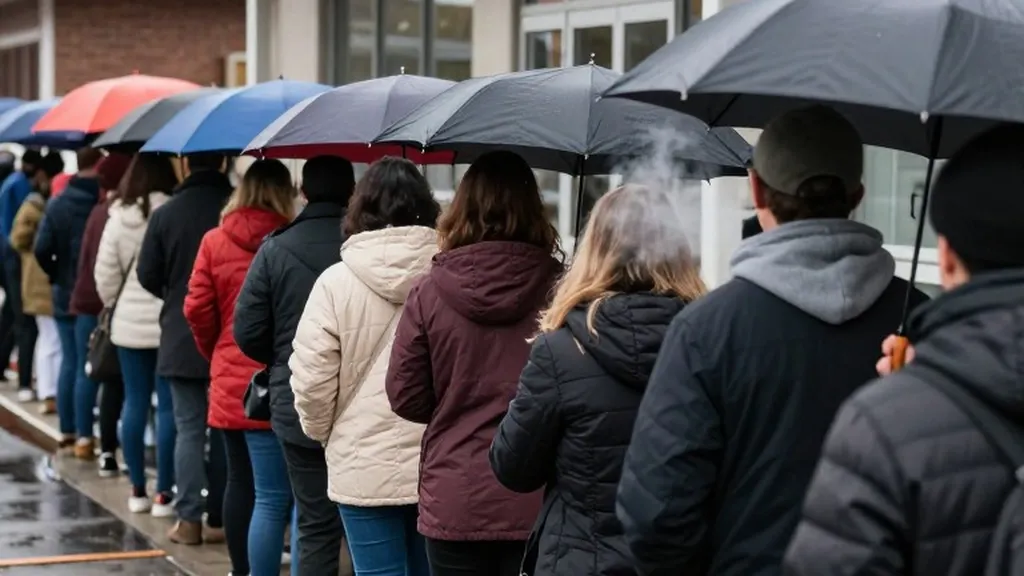
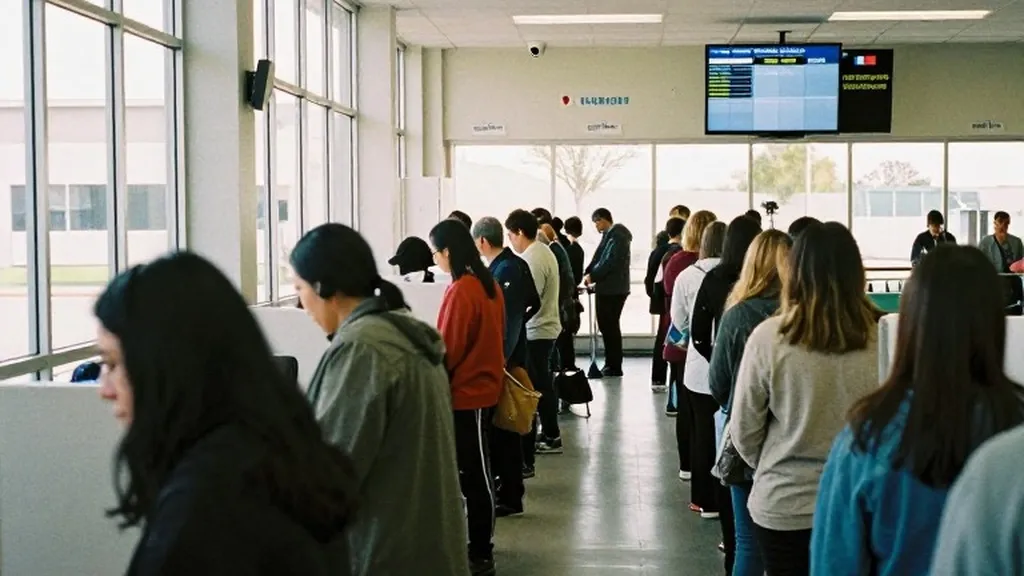
The Associated Press describes the election as a referendum on Trump's second term, with voters struggling with high prices and angry over the unpopular war with Iran. More than 57 million people had already voted as of Monday, surpassing the early vote of four years ago in many closely watched states. This high level of early voting suggests strong engagement from both parties, but turnout remains the critical factor. RNC Chairman Joe Gruters stated that everything depends on turnout, emphasizing the importance of mobilizing Republican voters. In contrast, DCCC Chair Rep. Suzan DelBene said the American people are angry and want change, highlighting the Democratic focus on dissatisfaction with the current administration.
Legal challenges and election administration issues are also affecting the race. A federal judge temporarily barred the Trump administration from carrying out a plan to prevent noncitizen voting, while another judge ordered the administration to stop demanding that California election officials segregate ballots from people on lists of suspected noncitizens. These legal moves have raised concerns about the integrity of the voting process and the potential for interference. The U.S. Postal Service has added hours, staff, and special lines to ensure that mail ballots are counted on time, addressing logistical challenges that could impact final tallies. Wall Street is also watching the results, with Reuters noting that the outcome could add to investor concerns about AI spending and debt ceiling negotiations.