Courts intervene as election administration faces legal challenges
Federal judges halted federal efforts to screen noncitizens and manage California ballots while the Postal Service ramps up logistics for mail votes.
By Kenji Hassan ·
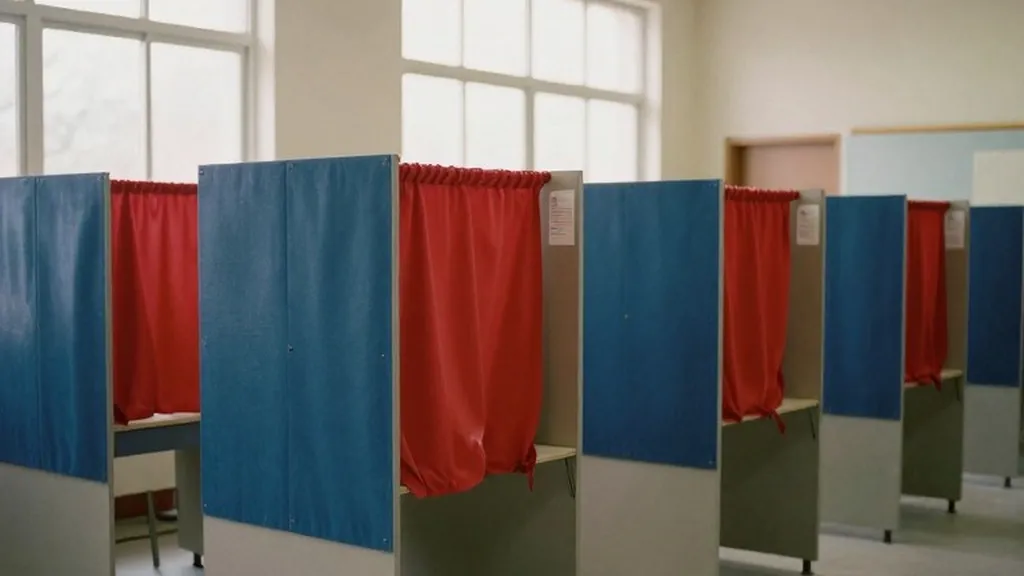
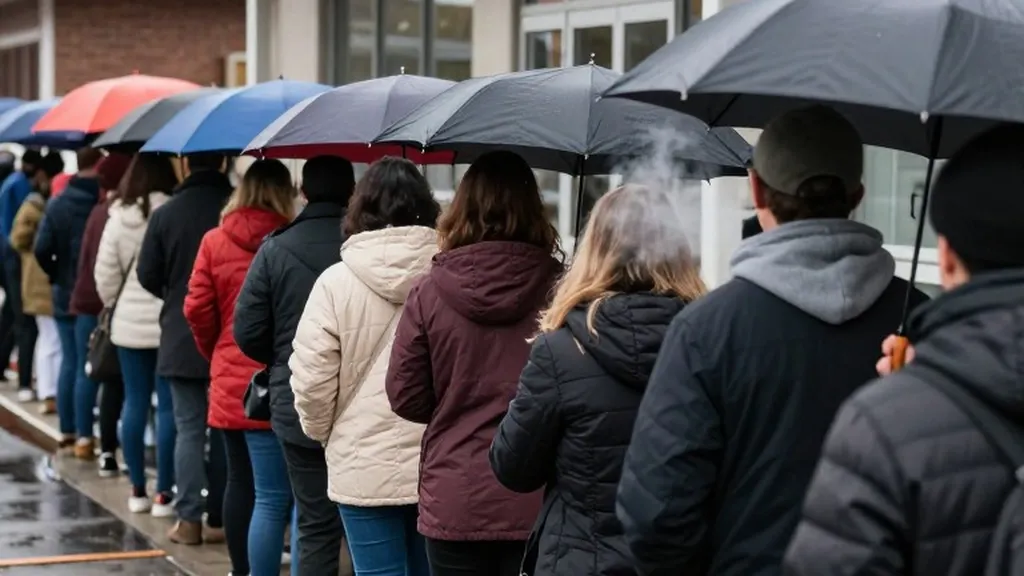
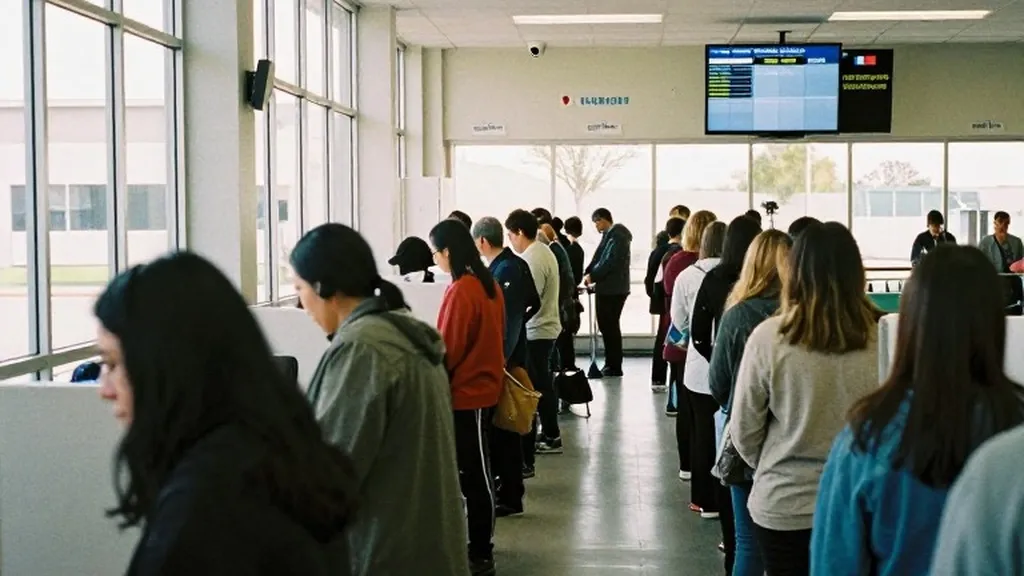
Election Day 2026 is marked by a significant legal battle over voting rules that has reached federal courts. These disputes are shaping how votes are counted and processed in key states. The interventions come as millions of Americans head to the polls to decide the control of Congress.
The Trump administration had planned a measure to prevent noncitizen voting. On Monday, a federal judge temporarily barred the administration from carrying out this plan. Critics argued that the initiative risked disenfranchising eligible voters. They also noted that it infringed on the authority states hold over their own elections.
In California, a separate legal order was issued on Monday. A judge directed the administration to stop demanding that local election officials segregate ballots. These were ballots cast by individuals on federal lists of suspected noncitizens. This ruling aims to maintain the standard process for counting votes in the state.
The administration has filed lawsuits in both Alaska and California related to these voting matters. In Alaska, the lawsuit is specifically tied to the certification of the Senate race result. Democrats have expressed concern about potential interference and intimidation from the Justice Department. The department has threatened to prosecute local election officials in some jurisdictions.
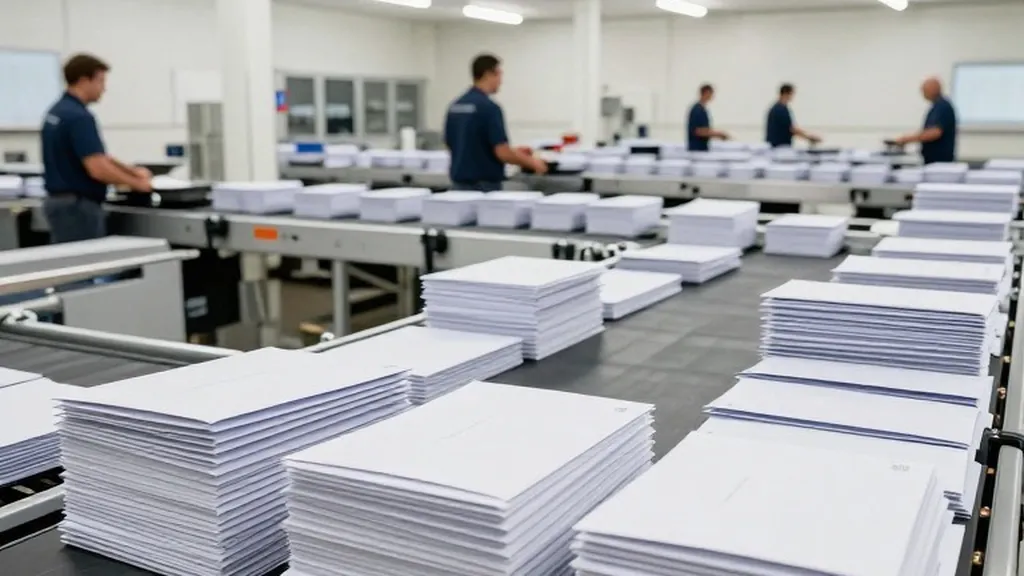
Logistical preparations are also a focus for election administrators nationwide. The U.S. Postal Service has added extra hours and staff to handle the volume of mail ballots. Special lines have been established to ensure that these votes are counted on time. This effort is critical in states where mail voting is a primary method of participation.
More than 57 million people had already cast their ballots as of Monday. This number surpasses the early vote totals from four years ago in many closely watched states. The high volume of early voting places additional pressure on the administrative machinery of the election.
The legal battles occur against a backdrop of high stakes for both parties. Republicans are bracing for the possibility of losing the House while fighting to hold the Senate. Democrats are described as cautiously optimistic about their chances. The outcome could see one or two seats tipping the balance in either chamber.
Voters are casting their ballots with an eye on the economy and foreign policy. The Associated Press describes the election as a referendum on the president's second term. Many voters are struggling with high prices and are angry over an unpopular war with Iran. These issues are central to the discourse in swing districts.
Financial resources have played a major role in the campaign. The 2026 elections are likely to be the most expensive in history. Republican committees outraised and outspent their Democratic counterparts at the committee level. This advantage was helped by Trump-affiliated groups and major donors like Elon Musk.
However, the spending dynamics shifted at the candidate level. Democrats outraised their opponents in individual races. An analysis of television ad spending showed that the vast majority of Republican general election TV ad spending went to states and districts where the president won in 2024. This strategy reflects a focus on defending existing majorities.
The new congressional maps in six states add another layer of complexity to the administration of these elections. California, Florida, Missouri, North Carolina, Tennessee, and Texas are using new maps after mid-decade redistricting. Ohio is also using a new map for this cycle. These changes could influence how votes are tallied in competitive districts.
State-level races are also seeing intense legal and logistical scrutiny. Thirty-six governorships are on the ballot, with Republicans holding 26 offices and Democrats holding 24. Democrats need a net gain of two governorships to achieve a nationwide majority. This would be the first time they have held a majority in two decades.
The Postal Service measures are particularly important in states that rely heavily on mail ballots. In states like California, Colorado, Oregon, Utah, and Washington, the majority of votes are cast by mail. Ensuring these ballots are processed efficiently is a top priority for election officials.
Legal experts note that the rulings in California and the national bar on the noncitizen plan could set precedents. The temporary nature of the bars suggests that further legal challenges may arise as the election unfolds. The courts are acting as a check on the executive branch's ability to alter voting procedures mid-cycle.
Voters in battleground districts are paying close attention to these developments. The AP-NORC polling indicates that a majority of adults believe the country is heading in the wrong direction. Most blame the president for high prices. This sentiment is driving turnout in districts that could decide the composition of Congress.
The administration's legal strategy appears to be focused on ensuring that the voting process aligns with its goals. However, the court interventions suggest that the judiciary is protecting the status quo in the immediate term. This balance of power will be closely watched by analysts and voters alike.
As polls open, the focus shifts from legal maneuvering to the actual act of voting. The administrative challenges of the past week have set the stage for a high-stakes count. The outcome will depend on both voter turnout and the smooth execution of the processes outlined by federal judges.
The presence of these legal battles adds a layer of uncertainty to the final tally. While the rules are being clarified in court, the voters are proceeding with their choices. The interplay between the judiciary and the executive branch is a defining feature of this election day.
Reuters notes that Wall Street is also watching these developments. Beyond the control of Congress, the results could add to investor concerns about AI spending and debt ceiling negotiations. The stability of the election administration is a factor in broader economic confidence.
The U.S. Postal Service's added resources are a tangible response to the volume of mail ballots. By adding staff and special lines, the agency aims to mitigate delays. This logistical support is crucial for ensuring that every valid vote is counted in a timely manner.