Trump's Rally Circuit and the Distance From Candidates on Election Day
With polls open, the president's active campaigning and fraud claims are shaping the midterm narrative while candidates maintain a careful distance.
By Kenji Hassan ·
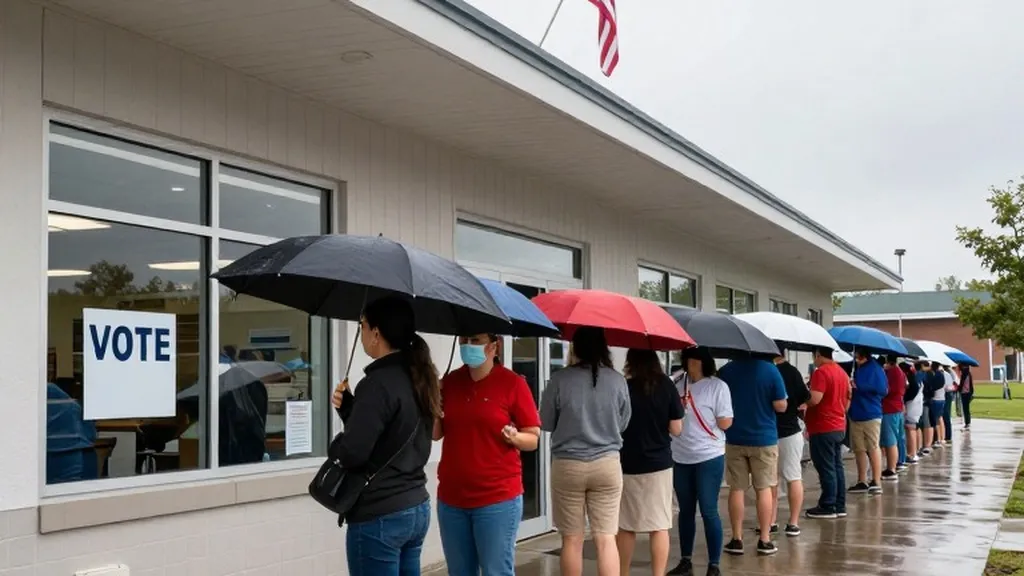
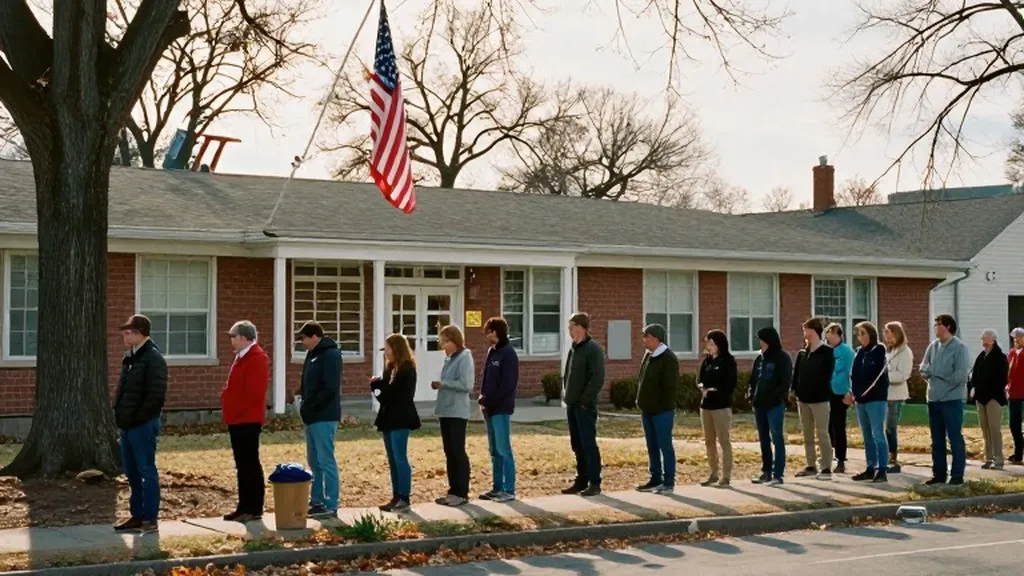
As voters head to the polls on Election Day, the presence of President Donald Trump looms large over the race for control of Congress. The Associated Press describes the election as a referendum on the president's second term, with many citizens struggling with high prices and expressing anger over an unpopular war with Iran. This backdrop sets the stage for a day where the president's influence is both a driving force and a point of contention for candidates on both sides of the aisle.
President Trump has held dozens of rallies in the lead-up to today, ending his recent circuit in Salina, Kansas. There, he urged supporters to imagine his presence in the race, telling them, 'I really want you to pretend I'm on the ballot.' His schedule has included stops in Mississippi, South Carolina, and Texas, demonstrating a sustained effort to energize the base. However, many Republican candidates have kept a strategic distance from the president, a tactic that reflects a complex dynamic in the current political landscape.
The polling data provides a clear picture of the president's standing with the electorate. According to AP-NORC polling, 35 percent of U.S. adults approve of Trump's job performance, while only 25 percent approve of his handling of the economy. Furthermore, about seven in ten adults say the country is heading in the wrong direction, with most blaming the president for high prices. These numbers highlight the challenges facing the Republican ticket, which is bracing for the possibility of losing the House while fighting to hold the Senate.
Despite the mixed approval ratings, the president has continued to make claims about voting fraud, including the assertion that noncitizens vote in large numbers. His administration has filed lawsuits in Alaska and California, and Democrats have expressed concern over potential interference and intimidation, particularly as the Justice Department threatens to prosecute local election officials. A federal judge temporarily barred the administration from carrying out a plan to prevent noncitizen voting on Monday, and another judge ordered the administration to stop demanding that California officials segregate ballots cast by people on lists of suspected noncitizens.
The financial aspect of the election also reflects the president's central role. The 2026 elections are likely to be the most expensive in history, with Republican committees outraising and outspending their Democratic counterparts. This spending advantage has been helped by Trump-affiliated groups and Elon Musk. An analysis of AdImpact data shows that 88.1 percent of Republican general election TV ad spending went to states and districts that Trump won in 2024, including more than $850 million in areas where he won by ten points or more.
For Democrats, the strategy relies on the anger felt by voters regarding the cost of living. Rep. Suzan DelBene, chair of the Democratic Congressional Campaign Committee, stated that the American people are angry and want change. In contrast, RNC Chairman Joe Gruters emphasized the importance of turnout, saying that if their voters show up, they will win. The mood among Democrats is described as cautiously optimistic, with one or two seats potentially tipping the balance in either chamber.
The stakes for the president's party are significant, as a midterm election often results in the president's party losing seats. Republicans have attempted to counter this pattern through redistricting, with six states using new congressional maps this year. However, the AP notes that new districts in Florida and elsewhere may not vote as they were drawn. The president's active involvement is seen as a way to boost turnout, though it also draws attention to his own approval numbers.
Voters are making their decisions in the context of a crowded ballot that includes all 435 House seats and 35 Senate seats. The AP reports that more than 57 million people had already voted as of Monday, surpassing the early vote totals from four years ago in many closely watched states. This high level of early participation suggests a strong interest in the outcome, with voters weighing the president's performance against the specific needs of their local representatives.
The administration's legal moves have added a layer of complexity to the election day proceedings. The lawsuit in Alaska regarding the certification of the Senate result and the actions in California have raised questions about the smoothness of the process. Critics argue that these moves risk disenfranchising eligible voters and infringe on states' authority over elections, while supporters see them as necessary safeguards for the integrity of the vote.
As the day unfolds, the focus remains on the candidates who are on the ballot, even as the president's voice continues to resonate through rallies and media appearances. The distance maintained by many Republican candidates suggests a recognition of the polarizing nature of the president's brand. For Democrats, the goal is to turn the dissatisfaction with the economy and the war effort into a mandate for change in Congress.
The election administration has also adapted to ensure that mail ballots are counted on time, with the U.S. Postal Service adding hours, staff, and special lines. Wall Street is watching the results closely, as Reuters notes that the outcome could add to investor concerns about AI spending and debt ceiling negotiations. The day's events will ultimately determine the balance of power for the final two years of the Trump administration, with the president's role remaining a central theme in the voting process.