Governor's Race Profiles: Ten States Decide Executive Power
From Georgia to Vermont, voters weigh high prices and war concerns in contests that could shift the balance of state power for the first time in two decades.
By Priya Singh ·
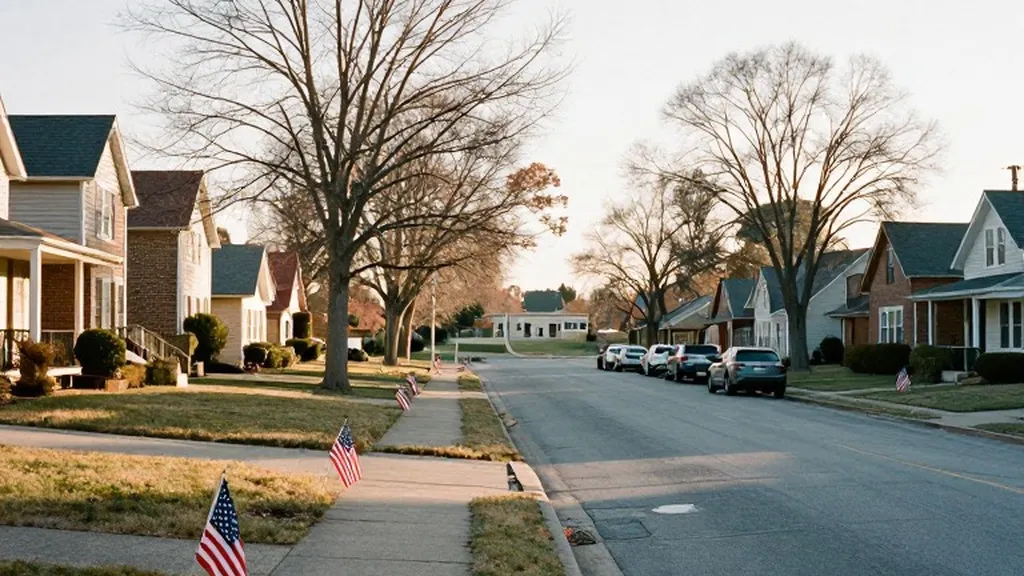
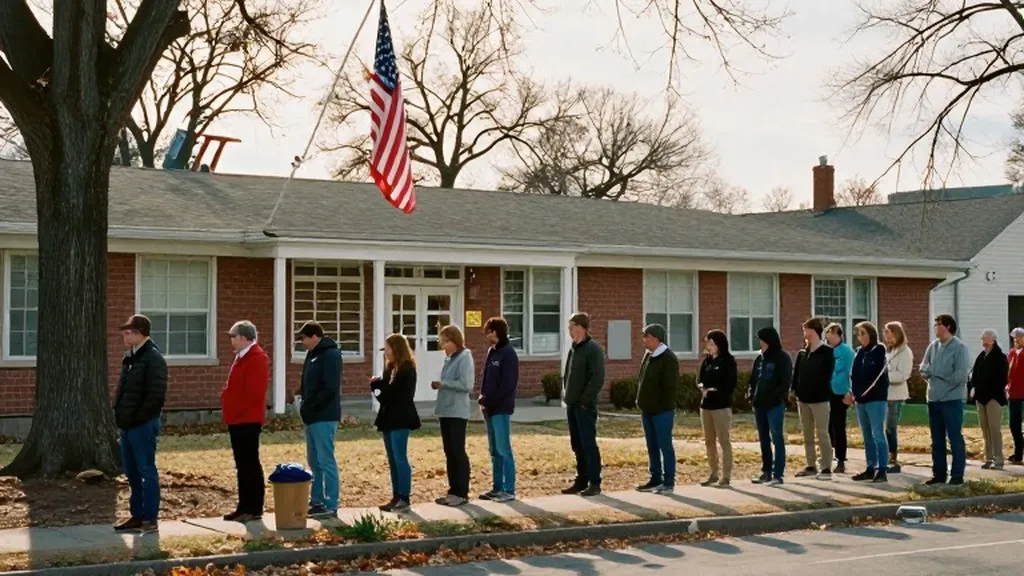
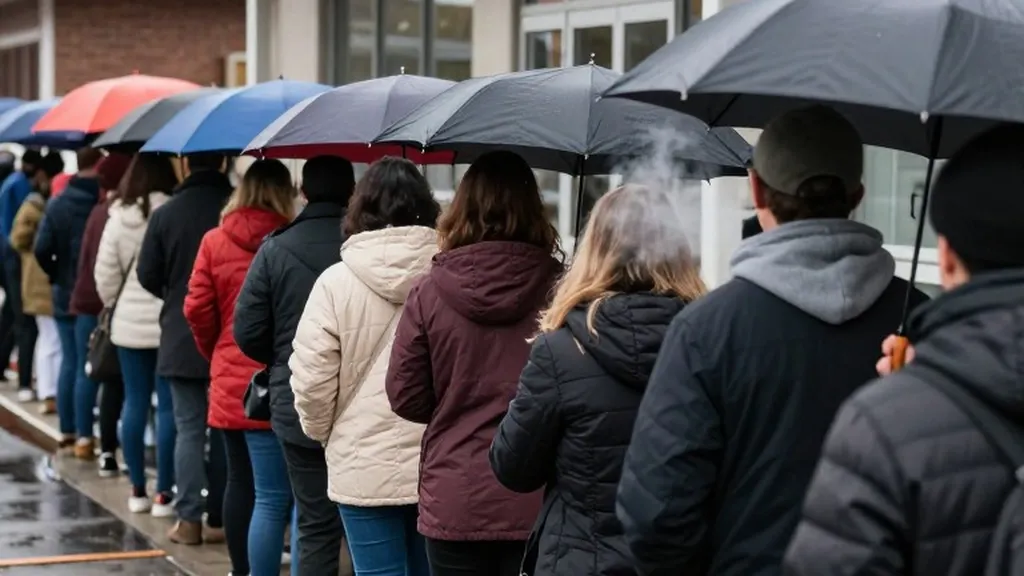
Voters across ten key states are casting ballots Tuesday to decide who will hold the governor’s mansion in the final two years of President Donald Trump’s second term. These races in Georgia, Nevada, Ohio, Arizona, Pennsylvania, Wisconsin, Kansas, Michigan, New Hampshire, and Vermont are pivotal because Democrats are attempting to reclaim a majority of governorships, a position Republicans have held since 2010. According to Ballotpedia, Democrats currently hold 24 governorships while Republicans control 26, but the party composition of the 36 races on the ballot is evenly split with 18 offices held by each party. A net gain of two seats for Democrats would flip the national balance of executive power, a milestone that has eluded the party for twenty years.
In Georgia, the contest between Republican health care executive Rick Jackson and Democratic former Atlanta Mayor Keisha Lance Bottoms is being watched closely as a bellwether for the party’s fortunes in the South. The Associated Press notes that the state is a lean Democratic race for the Senate, but the governor’s race remains competitive as voters assess the administration’s handling of the economy. Meanwhile, in Nevada, Republican Governor Joe Lombardo faces Democratic Attorney General Aaron Ford in a state where the AP describes the race as competitive. Both campaigns are focusing on the cost of living, a primary concern for voters who report struggling with high prices.
Midwestern dynamics play out in Ohio, where Republican Vivek Ramaswamy is challenging Democrat Amy Acton. The AP reports that Ramaswamy’s campaign has faced backlash over a television ad featuring Acton’s estranged mother, adding a personal dimension to a contest centered on economic policy. In Pennsylvania, Democratic Governor Josh Shapiro is defending his seat in a state that Trump won in 2024, highlighting the shifting political landscape in the region. Shapiro’s opponents are leveraging the administration’s popularity in the state while Democrats point to the governor’s record on infrastructure and education as a counterweight to national trends.
Arizona presents a unique challenge for Democrats, who are defending Governor Katie Hobbs’ seat in a state that Trump carried by a significant margin in 2024. The race is part of a broader effort to hold governorships in states that have trended Republican in recent cycles. In Kansas, the governor’s race is part of a state that has become central to the fight for Senate control, according to Ballotpedia. The state’s political shift is evident in the competitive nature of both the Senate and governor’s races, with voters weighing their dissatisfaction with the federal administration against local leadership.
Michigan offers another test for Democrats, as they seek to hold the governor’s office in a state that Trump won by 1.4 points in the 2024 presidential election. The race is being influenced by the Senate contest between Republican former Representative Mike Rogers and Democrat Abdul El-Sayed, where El-Sayed’s former primary opponent Haley Stevens endorsed Rogers on Sunday. This endorsement has intensified the focus on the governor’s race, as both parties seek to unify their voters in a state that could decide the balance of power in Congress.
Wisconsin, where Democratic Governor Tony Evers chose not to run, features an open seat that has drawn national attention. The state is one of the few where Democrats are defending a governorship in a state Trump won, making the outcome crucial for the party’s goal of a statewide majority. In New Hampshire, Republican Governor Kelly Ayotte is defending her seat in a state that Kamala Harris won in 2024. The AP notes that the state’s competitive nature is driven by economic strain and tariffs, which have made the region more receptive to Democratic messaging on the cost of living.
Vermont completes the list of key governor’s races, with Republican Governor Phil Scott facing a challenge in a state that is traditionally blue. The race is part of a broader pattern of Republicans defending governorships in states that Harris won, a strategy that has yielded mixed results in recent midterms. Voters in these ten states are not only choosing local leaders but also sending a signal about their views on the federal administration’s performance, particularly regarding the unpopular war with Iran and high prices.
The Associated Press describes the election as a referendum on Trump’s second term, with voters struggling with high prices and angry over the conflict with Iran. AP-NORC polling shows that 35 percent of U.S. adults approve of Trump’s job performance, while only 25 percent approve of his handling of the economy. About seven in 10 Americans say the country is heading in the wrong direction, with most blaming the president for high prices. This national sentiment is shaping the narratives in the governor’s races, where candidates are focusing on practical issues like health care and affordability.
Republican committees have outraised and outspent Democratic committees in the 2026 elections, helped by Trump-affiliated groups and Elon Musk. However, at the candidate level, Democrats have outraised their opponents, indicating a strong ground game in key states. The AP analysis of AdImpact data reveals that 88.1 percent of Republican general election television ad spending went to states and districts Trump won in 2024, including more than $850 million where he won by 10 points or more. This spending strategy reflects the party’s focus on consolidating its base in areas where it has strong support.