Breaking: Election Day is here! Make your selections for the fight over cost of living and oversight
Voters across the nation are casting ballots in a high-stakes midterm election defined by economic anxiety, the war in Iran, and a decisive battle for control of Congress.
By Kenji Hassan ·

It is Election Day, Tuesday, November 3, 2026, and polls are open as Americans head to the voting booths to determine the balance of power in Washington. According to Ballotpedia and USA.gov, this is the midterm election halfway through President Donald Trump’s second term. The results will decide who controls Congress for his final two years. All 435 seats in the U.S. House are up for grabs, along with 35 Senate seats. Additionally, 36 governorships are on the ballot in a race that could shift the nation’s executive leadership. The stakes are high for both parties, with Democrats needing a net gain of three districts for a House majority and four Senate seats for control of the upper chamber.
The mood in the country is charged with urgency, driven by what the Associated Press describes as a referendum on the administration’s performance. Voters are reportedly struggling with high prices and are angry over an unpopular war with Iran. According to AP-NORC polling, 35 percent of U.S. adults approve of the president’s job performance, while only 25 percent approve of his handling of the economy. About seven in ten people say the country is heading in the wrong direction, and most blame the president for high prices. This economic strain is a central theme for Democratic voters who are hoping to break the historical midterm pattern.
Democratic figures are framing the day as a chance for accountability and change. Rep. Suzan DelBene, the Democratic Congressional Campaign Committee chair, stated that the American people are angry and want change. She emphasized that the election is a vote on the administration’s record. If Democrats win even one chamber, investigations and possible impeachment proceedings become likely. House Democratic Leader Hakeem Jeffries would be the first Black speaker and has outlined a 100-day agenda focused on the cost of living and oversight of the administration. This agenda is a key part of the Democratic message today, promising immediate action on the issues that are affecting everyday families.
The economic burden is a personal reality for many voters. James Moore, 57, a librarian in Raleigh, North Carolina, shared his frustration with reporters. He noted that he is paying more taxes, more for his healthcare, and more for everything. His comments reflect the broader sentiment among Democrats who see this election as a chance to address the rising cost of living. The focus on healthcare and everyday expenses is a deliberate strategy to connect with voters who feel the pinch of inflation. The Democratic campaign is highlighting these costs to contrast with the Republican message, which often emphasizes stability and national security.
Republicans are bracing for a potential loss in the House while fighting to hold the Senate. According to the Associated Press, one or two seats could tip either chamber. RNC Chairman Joe Gruters said that everything depends on turnout, asserting that if they turn out their voters, they win. The Republican strategy has leaned heavily on money, with committees outraising and outspending their Democratic counterparts. This financial advantage is helped by Trump-affiliated groups and Elon Musk. However, at the candidate level, Democrats have outraised their opponents. The disparity in spending is a significant factor, with 88.1 percent of Republican general election TV ad spending going to states and districts Trump won in 2024.
The war in Iran and oversight of the administration are also central to the debate. The AP notes that voters are angry over the conflict, which has become a key issue in the campaign. Democrats are pushing for greater oversight and transparency, arguing that the administration has not provided enough information. This call for oversight is part of a broader push to check executive power. The potential for impeachment proceedings if Democrats take a chamber adds to the urgency. The administration has faced criticism for its handling of the war and its economic policies, creating a fertile ground for Democratic messaging.
Redistricting has played a role in shaping the landscape for this election. Six states are using new congressional maps after mid-decade redistricting, including California, Florida, Missouri, North Carolina, Tennessee, and Texas. Ohio also uses a new map. These new districts may not vote as drawn, creating uncertainty. Republicans tried to beat the midterm pattern with redistricting, but the effectiveness of these new maps is still to be seen. The battleground districts are numerous, with Ballotpedia counting 46 in the House and 13 in the Senate. These races will likely determine the final outcome of the election.
Voters are also facing administrative hurdles as they cast their ballots. A federal judge temporarily barred the Trump administration from carrying out a plan to prevent noncitizen voting, a move critics say risks disenfranchising eligible voters. The administration has also sued in Alaska and California, raising concerns about interference. The U.S. Postal Service has added hours, staff, and special lines to ensure mail ballots are counted on time. These logistical challenges add to the complexity of the day, but voters are encouraged to stay informed and prepared. The goal is to ensure that every eligible vote is counted and that the process is as smooth as possible.
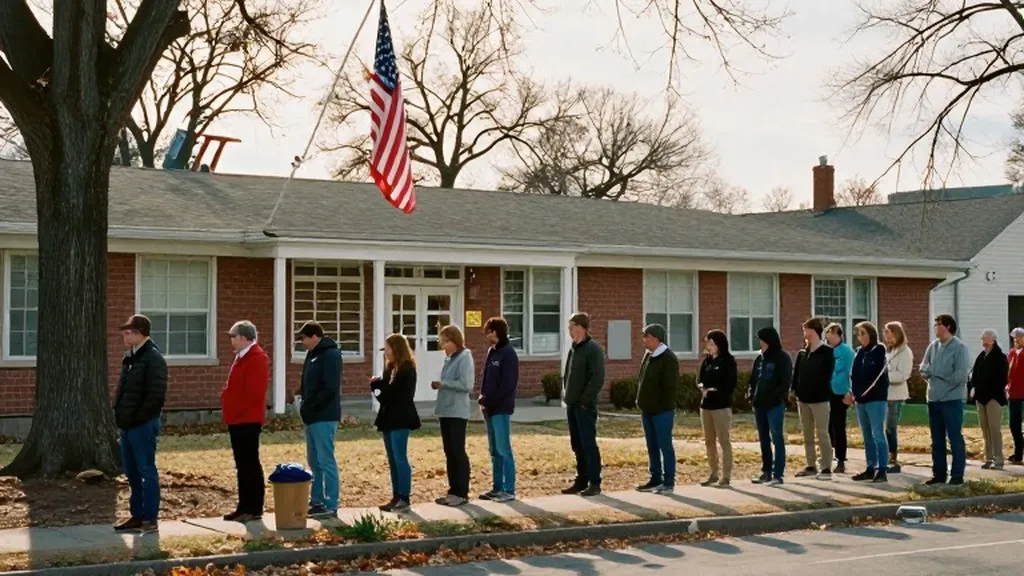
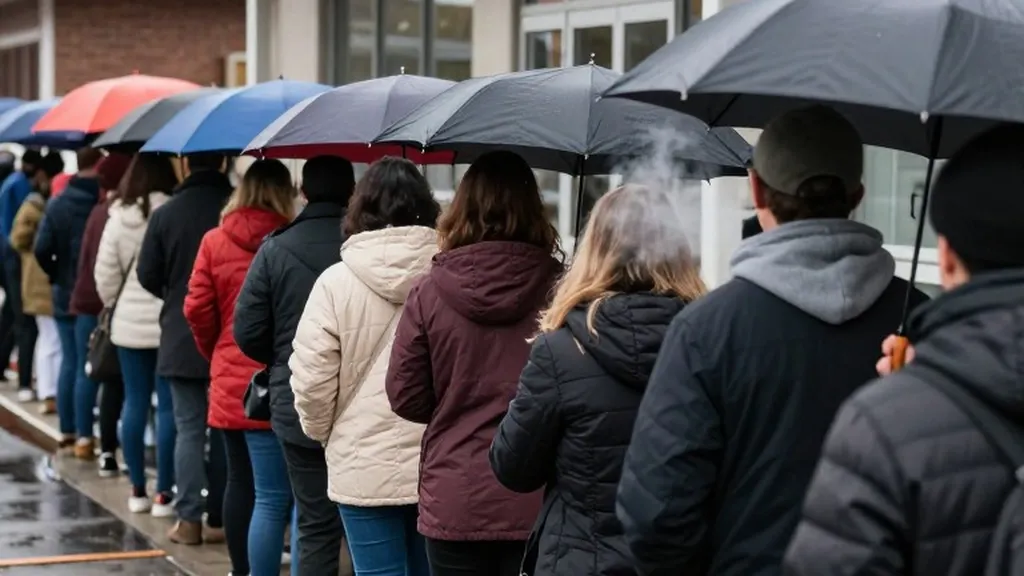
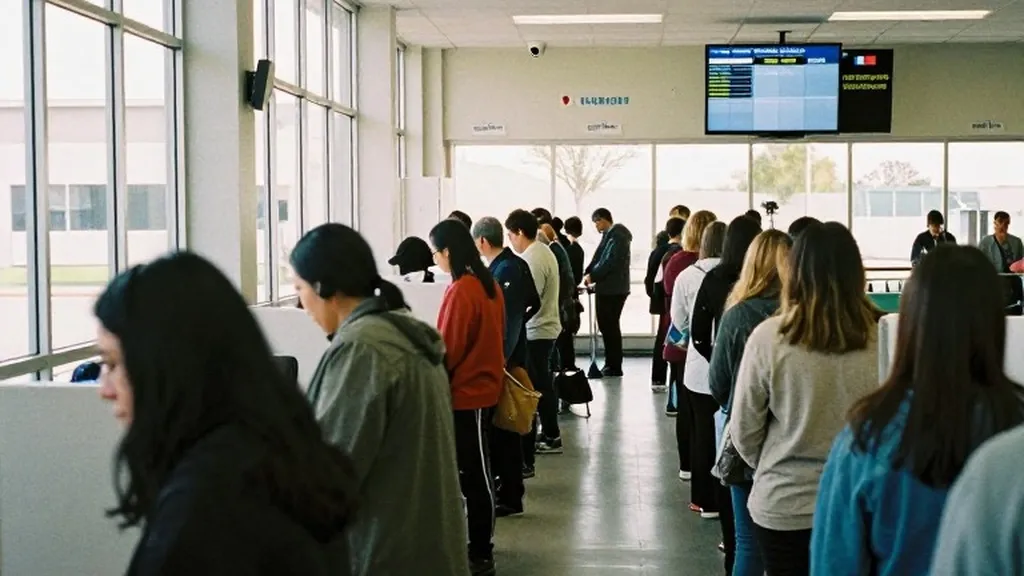
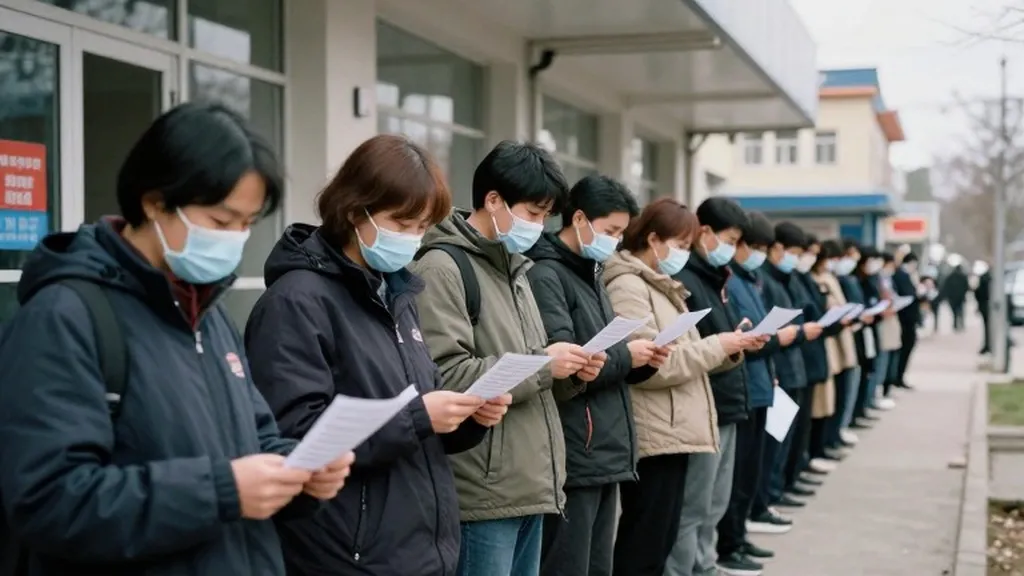
Polls are open in all states, and voters are urged to find their polling place at vote.gov or their state election office. According to Ballotpedia, poll hours vary by state, with many opening between 6 a.m. and 7 a.m. and closing between 7 p.m. and 8 p.m. For example, in North Carolina, polls are open from 6:30 a.m. to 7:30 p.m., while in New York, they are open from 6 a.m. to 9 p.m. Anyone in line when polls close is entitled to vote. ID rules vary by state, so voters should check their state’s rules before going. The message is clear: stay in line, get your ballot, and make your voice heard.
The election is also being watched by Wall Street, with Reuters noting that results could add to investor concerns about AI spending and debt ceiling negotiations. The outcome of the election will have far-reaching implications for the economy and the nation’s future. The focus on cost of living, healthcare, and oversight reflects the priorities of voters who are looking for change. The Democratic strategy is to highlight these issues and contrast them with the Republican message. The next few hours will be crucial as votes are counted and the results begin to emerge.
More than 57 million people had already voted as of Monday, surpassing the early vote of four years ago in many closely watched states. This high level of participation suggests a strong interest in the election. The AP describes Democrats as cautiously optimistic, while Republicans are focused on turnout. The election is a pivotal moment for the nation, with the potential to shift the balance of power in Congress. The focus on the cost of living, healthcare, and the war in Iran underscores the importance of this vote. The next few hours will determine the direction of the country for the next two years.