Record Spending and Strategic Targets Define the 2026 Midterm Battle
Republican committees dominate overall funding, yet Democrats maintain a candidate-level advantage in a contest driven by cost-of-living concerns.
By Leila Santos ·
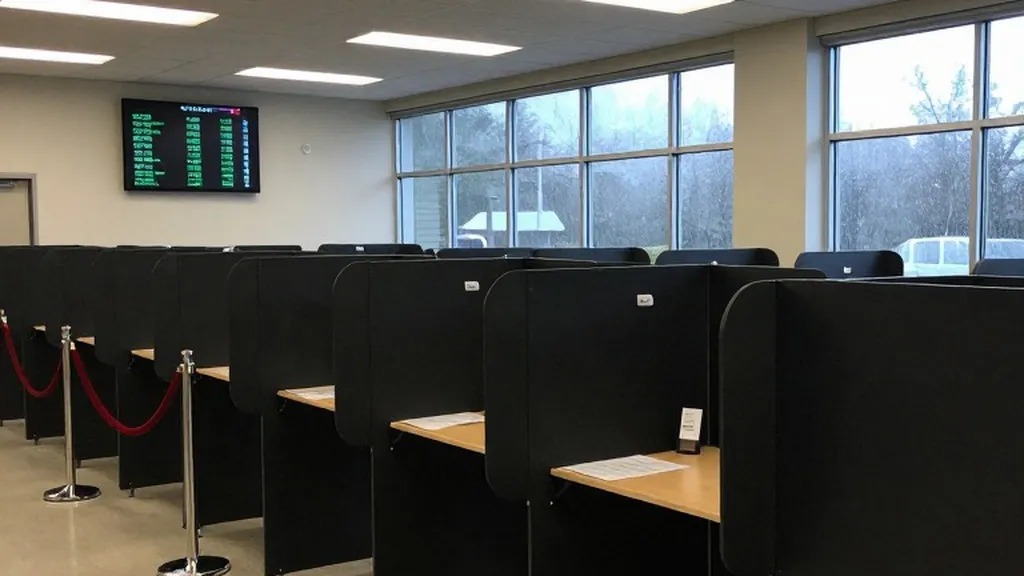
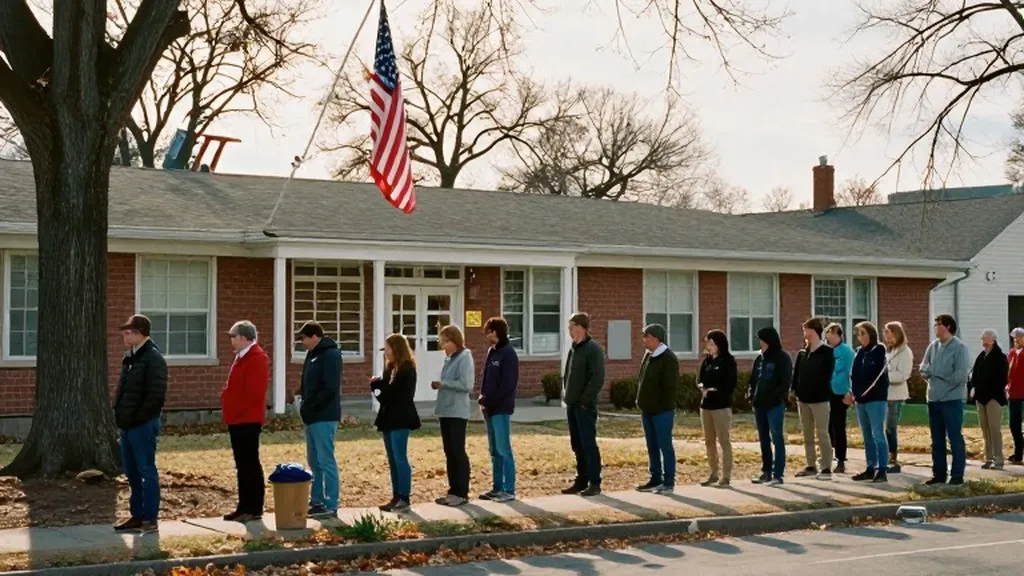
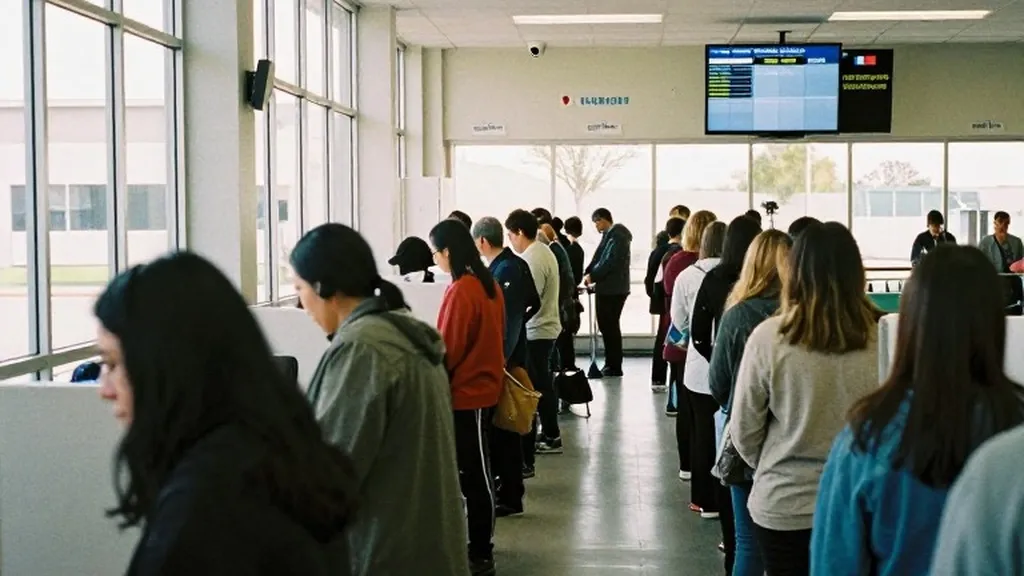
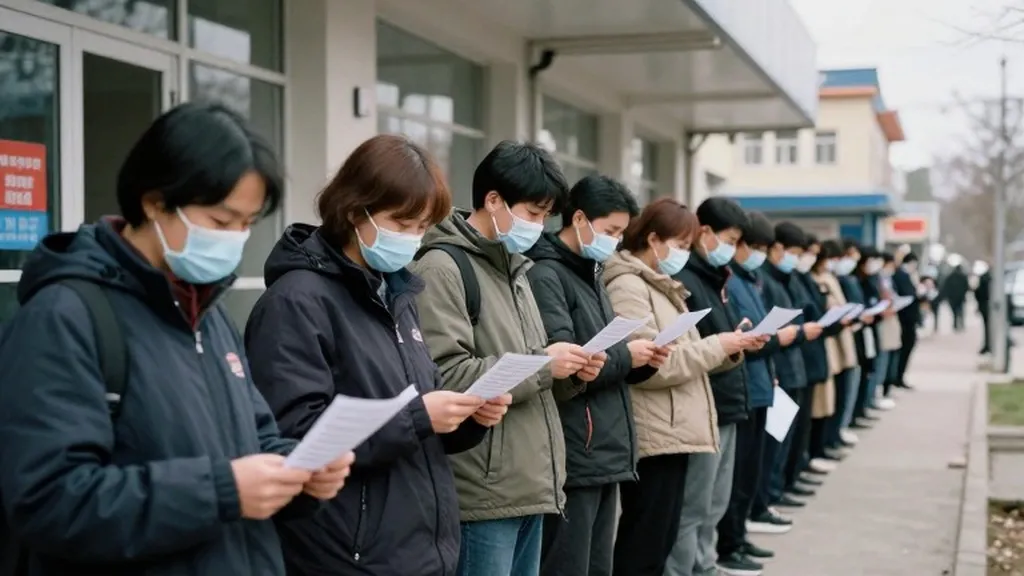
Voters across the United States are casting ballots on Tuesday, November 3, 2026, to determine the composition of Congress for the final two years of President Donald Trump's second term. The Associated Press describes the election as a referendum on the administration's performance, with many citizens expressing frustration over high prices and an unpopular war with Iran. Polls from AP-NORC indicate that 35 percent of U.S. adults approve of Trump's job performance, while only 25 percent approve of his handling of the economy. Roughly seven in ten Americans believe the country is heading in the wrong direction, and most blame the president for rising costs.
Financial data suggests this will likely be the most expensive election in history. According to an Associated Press analysis of AdImpact data, Republican committees have outraised and outspent their Democratic counterparts. This advantage was bolstered by contributions from Trump-affiliated groups and Elon Musk. However, the distribution of these funds reveals a strategic divergence. At the candidate level, Democratic campaigns have actually outraised their Republican opponents. This dynamic creates a complex financial landscape where party committees control the narrative in key states while individual Democratic candidates raise substantial funds for their specific districts.
The deployment of Republican money is heavily concentrated in areas where the president has strong support. The AP notes that 88.1 percent of Republican general election TV ad spending went to states and districts that Trump won in 2024. In districts where the president won by ten points or more, Republicans spent more than 850 million dollars. This strategy aims to lock in Republican incumbents in solid red areas, allowing the party to focus its limited resources on tighter races elsewhere. The emphasis on these safe seats reflects a defensive posture as Republicans brace for the possibility of losing the House majority.
Democrats are leveraging their candidate-level funding edge to target swing districts and states where voter sentiment is shifting. The party is focusing on issues that resonate with voters feeling the strain of economic inflation. James Moore, a 57-year-old librarian in Raleigh, North Carolina, summarized this mood by stating that he is paying more taxes, more for healthcare, and more for everything. This sentiment is driving Democratic strategies in battleground states where the cost of living has become a primary concern for undecided voters. The party is cautiously optimistic, believing that their targeted spending can overcome the broader Republican committee advantage.
The stakes for the U.S. House are high, as all 435 seats are up for grabs. Republicans currently hold 218 seats, while Democrats hold 214, with one independent and several vacancies. Democrats need a net gain of three districts to secure a majority, whereas Republicans can lose no more than two. Ballotpedia identifies 46 battleground districts, including 25 held by Democrats and 21 by Republicans. A significant number of these districts voted for Trump in 2024, creating a challenging environment for Democratic challengers. However, the party is determined to capitalize on voter dissatisfaction to flip enough seats to regain control of the chamber.
In the Senate, 35 seats are contested, with Democrats holding 13 and Republicans holding 20 of the regular elections, plus two special elections. Republicans currently hold a 53 to 45 majority, counting two independent senators who caucus with Democrats. Democrats need a net gain of four seats to take control, a margin that appears difficult given the current distribution of seats. Eleven senators are not running again, including four Democrats and seven Republicans. The open seats in states like Iowa, Michigan, and New Hampshire are critical to the Democratic bid for a majority. These races are closely watched as they could determine the balance of power in the upper chamber.
Redistricting has added another layer of complexity to the midterm elections. Six states are using new congressional maps after mid-decade redistricting: California, Florida, Missouri, North Carolina, Tennessee, and Texas. Ohio is also using a new map. Republicans attempted to use these new boundaries to beat the typical midterm pattern where a president's party loses seats. However, the AP notes that new districts in Florida and elsewhere may not vote as originally drawn. This uncertainty adds risk to the Republican strategy, as they rely on these maps to protect incumbents in competitive areas. The effectiveness of these new lines will be a major focus of post-election analysis.
Elon Musk's influence on the election's financing has been significant, contributing to the record-breaking spending totals. His support for Republican committees has helped close funding gaps in key states, although his name is not on every ballot. The presence of such high-profile donors has intensified the media attention on the election's cost. Critics argue that the sheer volume of money distorts the political process, while supporters contend that it is necessary to reach voters in a crowded media landscape. The interplay between private wealth and public policy remains a central theme in the 2026 campaign.
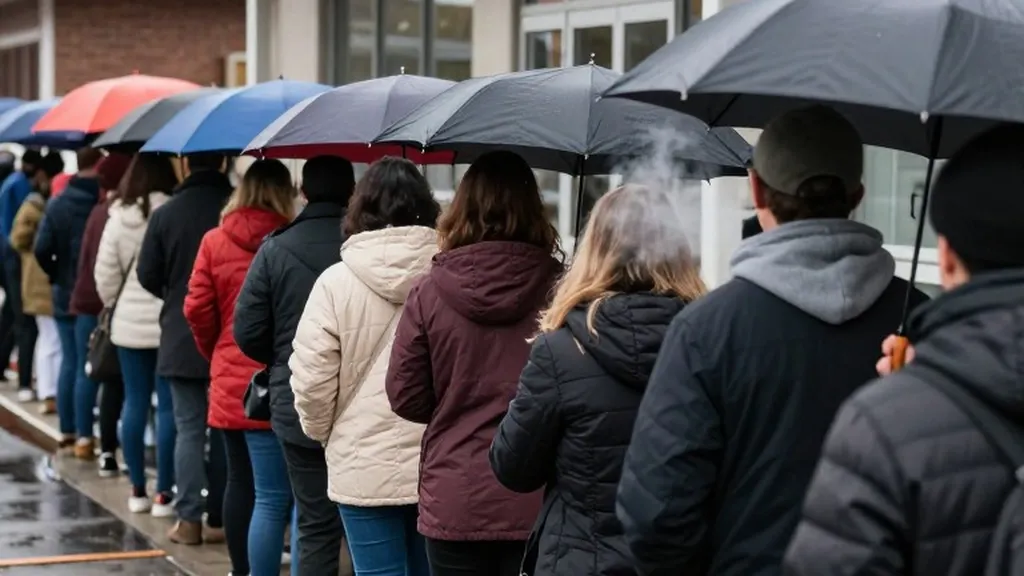
As polls open, the focus shifts to turnout, which RNC Chairman Joe Gruters says is the deciding factor. He stated that everything depends on turning out voters, a sentiment echoed by campaign managers on both sides. DCCC Chair Rep. Suzan DelBene countered that the American people are angry and want change. This rhetoric frames the election as a choice between status quo and reform. With more than 57 million people having already voted, early turnout is surpassing levels from four years ago in many closely watched states. This high participation rate suggests a deeply engaged electorate that is closely following the administration's actions.